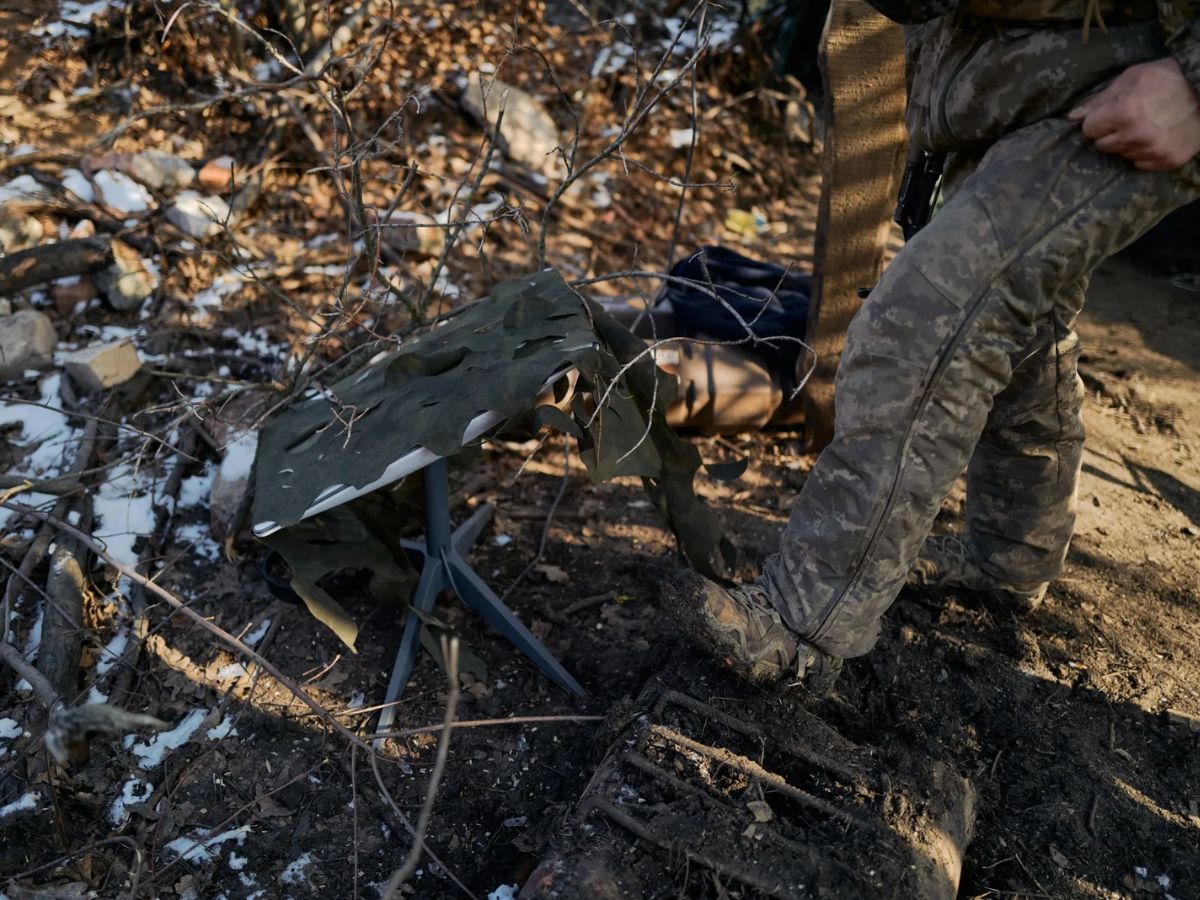
In a revelation raising alarms across security and diplomatic circles, the U.S. Agency for International Development (USAID) has admitted losing track of thousands of Starlink satellite internet terminals supplied to Ukraine—with nearly half of the operational units now in areas fully or partially under Russian control.
According to an August 11 report from USAID’s Office of Inspector General, the agency was unable to monitor the fate of 5,175 terminals provided during the early months of Russia’s full-scale invasion, effectively conceding that it has “no knowledge” of where the devices are or how they are currently being used.
An Urgent Supply—and a Costly Risk
When Russia launched its offensive in February 2022, Ukraine’s communications infrastructure took a direct hit. Due to the pressing need for reliable connectivity, USAID was able to acquire 1,508 Starlink terminals outright and arrange for the donation of 3,667 more from SpaceX, owned by Elon Musk.
These terminals were intended to restore essential internet services for hospitals, emergency shelters, and local administrations, keeping civilian life afloat amidst blackouts and cyber disruption.
However, a large number of these devices were positioned far from their planned positions, some even in areas where Moscow retains de facto control, according to the inspector general’s findings, indicating a strategic weakness.
Also Read: At Ukraine Summit, Could Putin’s Billion-Dollar Offer Change Trump’s Stance On The War?
Why USAID Didn’t Track Them
In its response to the audit, USAID acknowledged it “accepted a higher risk of misuse” due to Ukraine’s wartime urgency. The CIA said that the goal was to give communication lifelines, not to manage combat supplies, and that on-the-ground tracking would have been “impractical and hazardous.”
Yet, the report makes clear that this trade-off came at a steep price—forfeiting oversight in an active war zone where advanced communication tools can quickly become dual-use assets.
The Unanswered Military Question
The audit did not investigate whether Ukraine used Starlink for military objectives, including drone control, artillery coordination, or secure battlefield messaging because it only looked at civilian applications.
Kyiv has accused Russian occupation forces of using Starlink units obtained via private Russian vendors.
Although Elon Musk and the Kremlin have refuted these claims, stories from the frontlines and war film continue to feed conjecture.
A Cautionary Tale for Aid in Conflict Zones
The USAID-Starlink case highlights a larger problem that development and humanitarian organizations face: how to strike a balance between providing emergency relief and Well-meaning resources run the risk of being misdirected in the absence of defined protocols, critics say, perhaps strengthening the very forces they were intended to oppose.
As geopolitical tensions deepen and wars increasingly hinge on digital dominance, the loss of thousands of high-tech terminals is more than a logistical mishap—it’s a strategic setback.