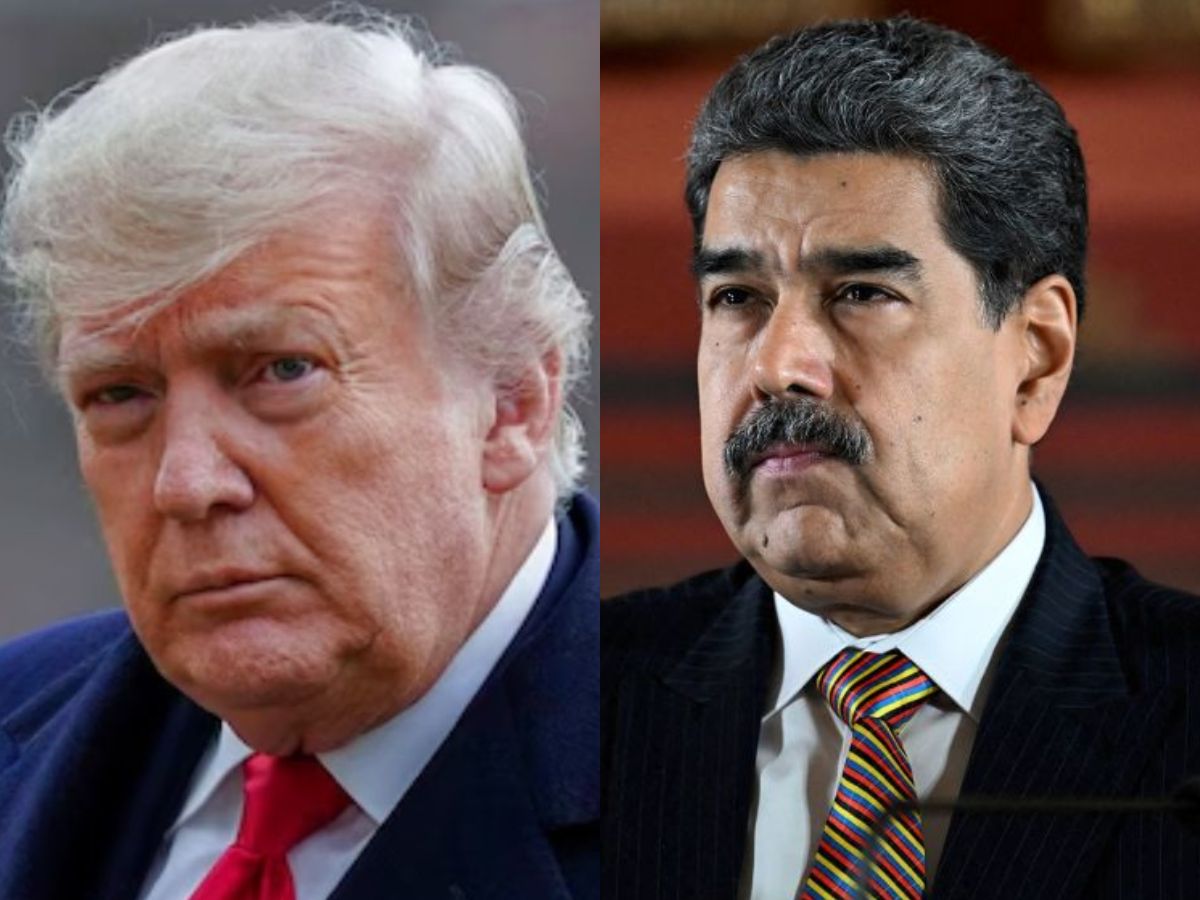
US President Donald Trump issued a warning to Venezuelan President Nicolás Maduro against failure to voluntarily leave his post, upon which direct US military intervention would be activated. The Wall Street Journal reported that Trump issued the ultimatum on 22 November during a call, where Maduro was given the options to take the “easy way or hard way,” with safe passage to a friendly country or face US action.
Venezuela Airspace Alert Sparks Airline Disruptions
After the call, Trump announced that Venezuela’s airspace should be considered “closed in its entirety.” He has no legal authority to close another country’s airspace, but the move clearly aimed at airlines, pilots, and at “drug dealers and human traffickers.” A number of carriers quickly stopped flights to Caracas. Venezuela denounced the comments as a “colonialist threat” and “illegal and unjustified aggression.”
US Military Posture and Counter-Narcotics Operations in Venezuela
The Federal Aviation Administration had already warned commercial airlines of heightened hazards over Venezuelan airspace because of military activity and security concerns. Trump’s comments heightened these tensions, framing the tougher stance as part of a broader campaign against drug-trafficking networks allegedly linked to Maduro’s government.
In the last several months, US forces have attacked more than 20 vessels suspected of carrying narcotics, killing at least 80 people. US officials never produced evidence that those boats carried drugs, prompting questions about legality and motivation. Venezuelan authorities insist the operations are part of regime change targeting Maduro and not aimed at reducing cartel traffic.
Sending the USS Gerald R. Ford and its strike group into the Caribbean is a signal from Washington that it is ready to escalate, with Trump suggesting the beginning of land-based operations inside Venezuela could begin “soon.”
Reasons Behind the Warning to Venezuelan President Maduro to Step Down
Trump’s warnings are based on many strategic reasons:
- Counter-Narcotics Operations: The US has launched “Operation Southern Spear,” a significant military build-up in the Caribbean and eastern Pacific, claiming that its target is narcotics trafficking. Deadly strikes on vessels suspected of smuggling narcotics have been part of this campaign.
- “Cartel de los Soles” Designation: The US State Department designated the so-called “Cartel de los Soles,” apparently headed by Maduro and senior officials, as a Foreign Terrorist Organization. It provides broader authority for sanctions and potential military action.
- Push for Regime Change: The Trump administration does not recognize Maduro’s 2018 re-election and views him as a dictator. The military pressure and public warnings are meant to spur some defections within Maduro’s inner circle or the Venezuelan military, which could help oust him from power.
- Border security concerns: Trump linked the Maduro government with the trafficking of “poisonous drugs” and other criminals into the US, framing military action as necessary to protect American borders.
- Rejection of negotiation offers: A report said the US turned down Maduro’s gradual withdrawal over several years, which they thought was too slow.
Venezuela Pushes Back & Regional Repercussions
Maduro, who condemned the US actions as hostile and aimed at seizing Venezuela’s oil resources, called for military exercises in readiness to defend Venezuela’s sovereignty against any “imperialist threat”. He also seemed to extend an olive branch toward Trump, with talks on potential “diplomatic channels”.
The recent developments have raised fears of a broader conflict and have alarmed neighboring countries and regional allies. Some US Congress members have debated whether Trump needs legislative approval to use military force against Venezuela.
US Brands Venezuelan Government a Terrorist Organization
In a related step, the administration of President Donald Trump in November designated the entire Venezuelan government as a terrorist entity, thus cutting the last remaining diplomatic channels. Washington maintains that, together with the “Cartel de los Soles” label, this designation gives greater legal and operational latitude to US agencies to act against Maduro’s government.
Impact on Airlines and Humanitarian Concerns Trump’s warnings and military posturing have already disrupted commercial air traffic, creating uncertainty for airlines and pilots flying through Venezuelan airspace. Analysts say surging tensions could make humanitarian missions more complicated and further destabilize the region.
Also Read: Is Trump’s Immigration Policy a Permanent Pause on Third-World Migration?