Meanwhile, Washington’s surprising decision to invest $1.25 billion in the province has fired up fresh controversy about Pakistan’s most volatile province. The funding, destined for the long-stalled Reko Diq copper-gold project, comes barely weeks after Pakistan’s leadership met President Donald Trump at the White House.
And while the investment represents strategic interest in vital minerals, it thrusts America into a region defined by instability and political tension.
High-Stakes Project in a Hostile Landscape
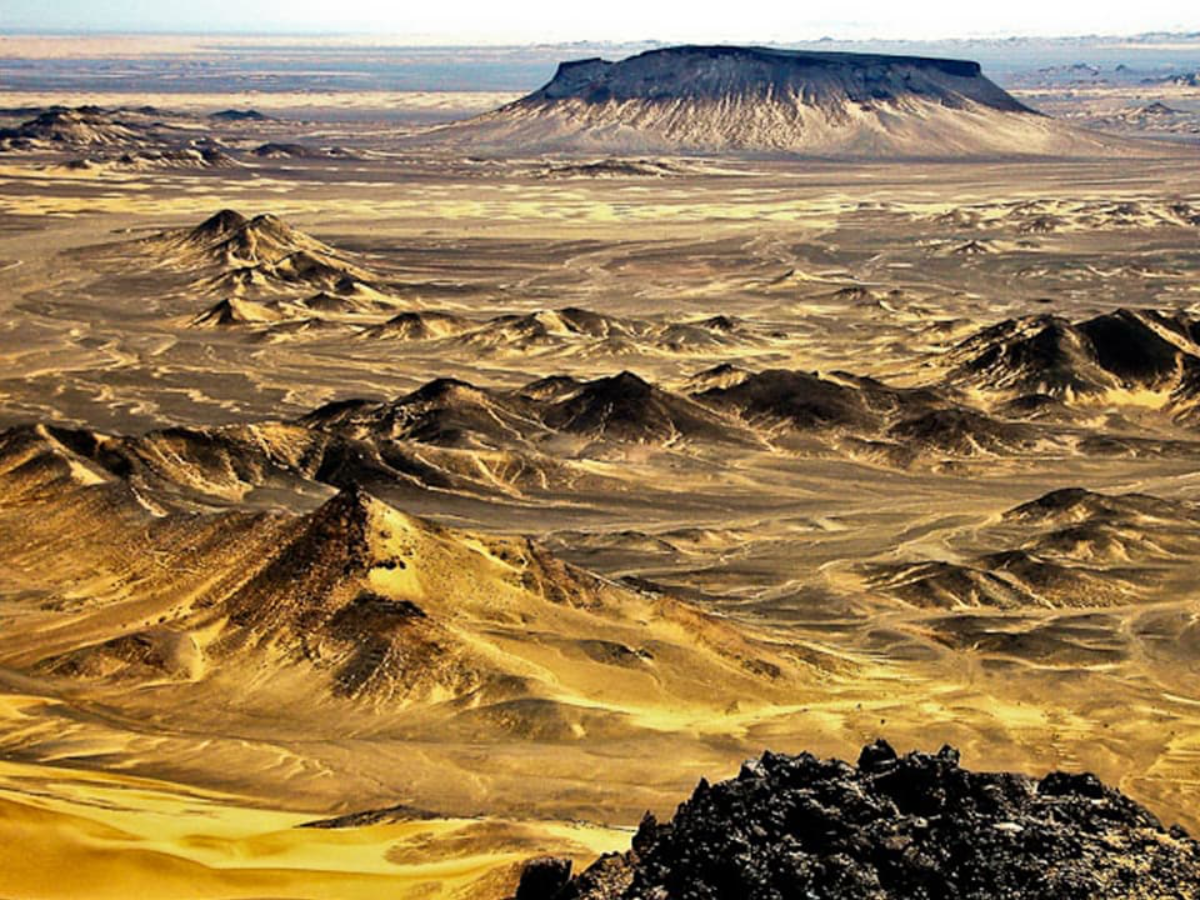
The Reko Diq site is situated near the borders with Iran and Afghanistan, where international interest naturally gravitates. But the mine has lain dormant over recent years due to attacks from insurgents and clashes of political will.
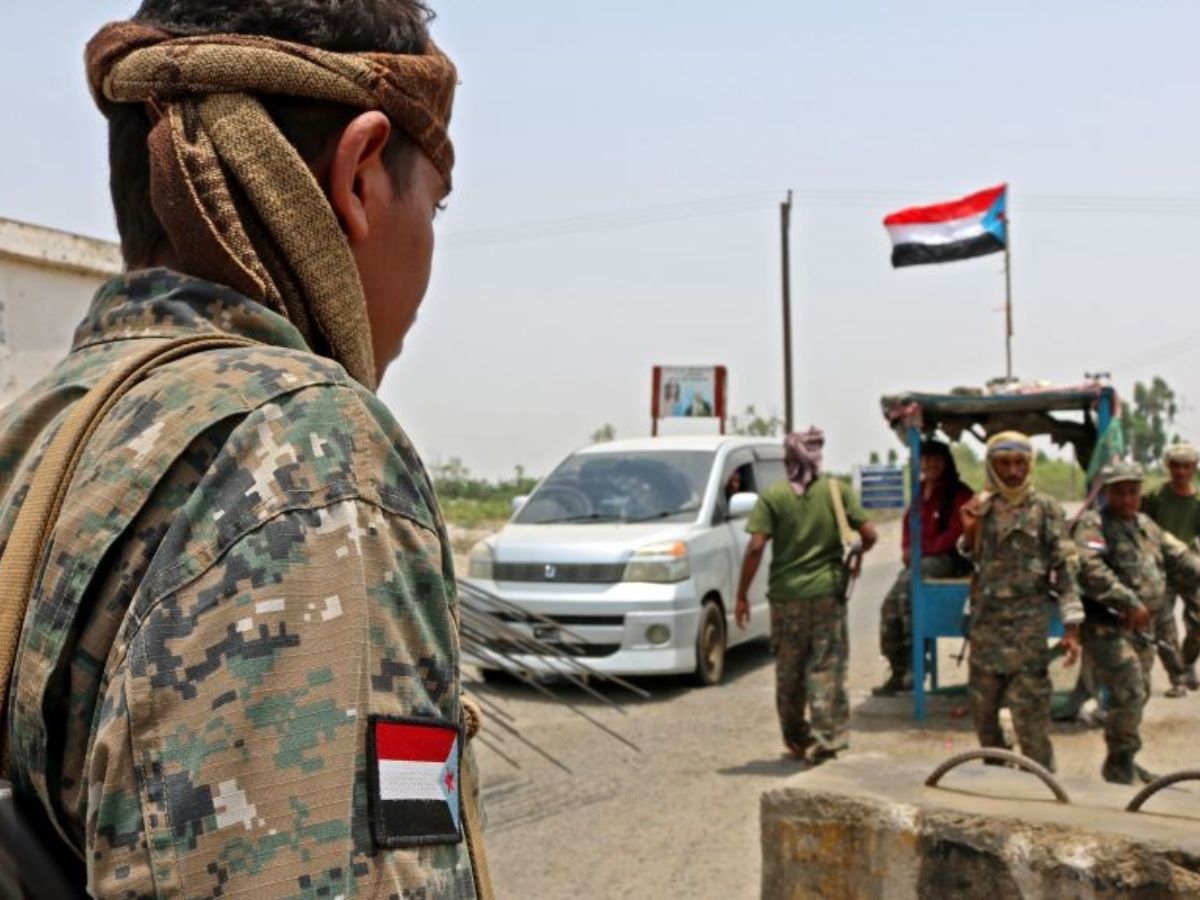
Military convoys, infrastructure, and foreign-backed projects are routine targets of Baloch nationalist groups; thus, the province is one of the least predictable places for investment. History alone would explain why the United States would take such a huge financial risk.
Washington’s Pitch & Economic Promise
Natalie Baker, the US Charge d’Affaires in Islamabad, announced that the US Export-Import Bank had approved financing to support mining operations. She said the project could lead to billions in American equipment sales and create thousands of jobs in both countries.
The messaging framed Reko Diq as a model partnership aligned with the Trump administration’s broader diplomatic and economic goals. But the scale of the commitment, and the timing, has led analysts to wonder what Washington expects in return.
Local Resistance & Ownership Conflict
While Islamabad welcomes the investment, Baloch political leaders vehemently oppose it. Activists say the minerals belong to the people of Balochistan, not the federal government and that mining without local consent is a euphemism for exploitation.
For decades, Reko Diq has symbolized the province’s struggle over autonomy and resource control. Those grievances still fuel unrest, making foreign involvement a potential flash point.
Barrick’s Long Road & Expanding Global Interest
Canadian giant Barrick already owns half the project, aiming for first production by 2028. Security setbacks notwithstanding, lenders including IFC and ADB are building major financing deals. Saudi Arabia’s Manara Minerals also weighs significant equity investment in the project.
ALSO READ: US-India Trade Talks Gain Momentum as Greer Calls Latest Proposal the ‘Best Offer Ever’
Home to rich copper and gold deposits pegged to generate billions in long-term revenue, Reko Diq is shaping up as a magnet for global capital.
Security Risks & Strategic Calculations
Even with renewed momentum, persistent violence remains the greatest threat-insurgent groups continue to target state forces, and the province lacks the infrastructure needed for major mining operations.
For Washington, the investment also carries geopolitical weight as the US seeks mineral sources beyond China’s reach. Indeed, if this gamble is to pay off, much will depend on Pakistan’s capability to stabilize a region resistant to development for decades.
Disclaimer: This article provides independent analysis for informational purposes and should not be taken as financial, geopolitical or investment advice.