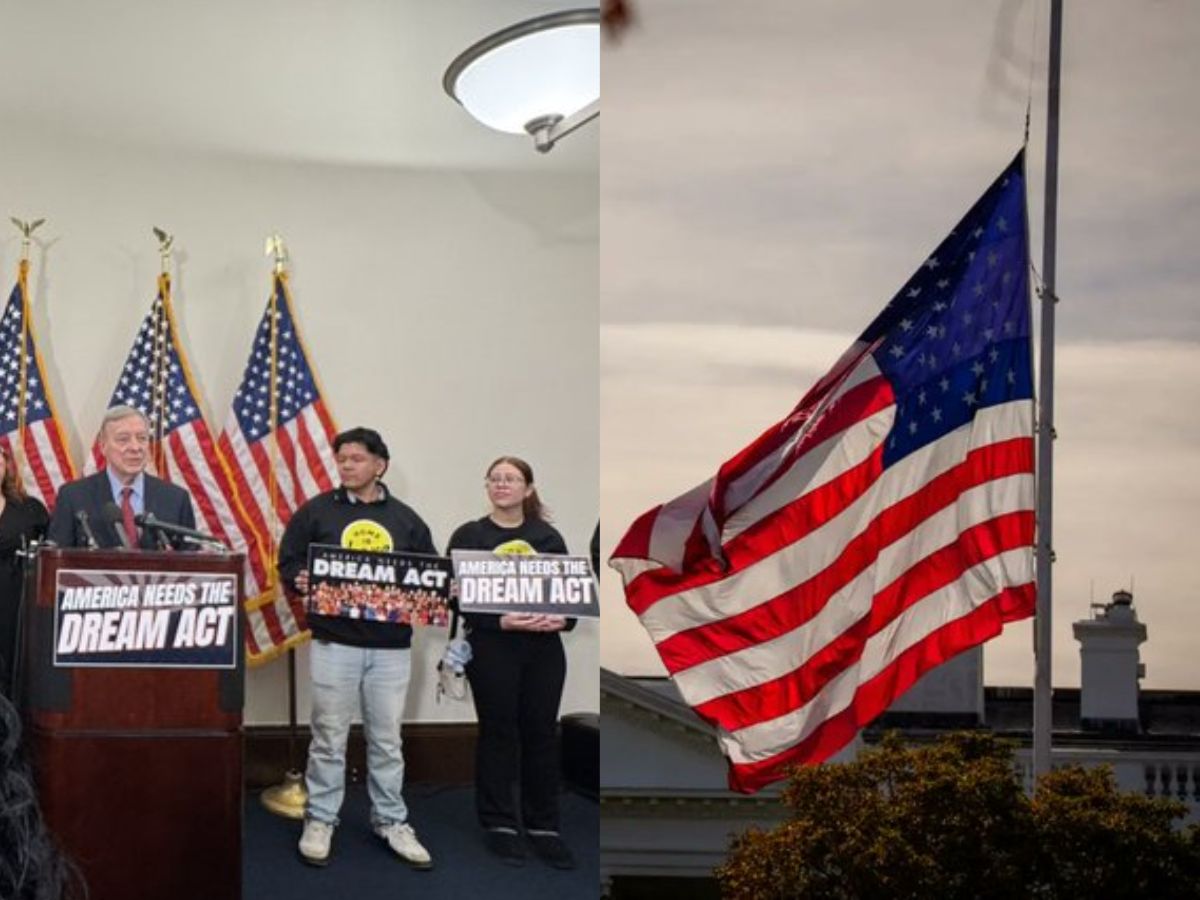
The US Senate has reintroduced the Dream Act 2025, offering a new legal doorway for those who came to America as children, or who grew up under their parents’ visa status, and have lived most of their lives in the country. The proposed law could protect them from deportation and provide a stable path to long-term residency. For many families, it brings hope after years of uncertainty.
What is the Dream Act 2025?
The Dream Act 2025 aims to give undocumented immigrants who arrived in the US as children, called “Dreamers”, a chance to apply for conditional permanent residency. It also includes “Documented Dreamers”: children of E-1, E-2, H-1B and L visa holders who lived legally in the US for years but “aged out” after turning 21.
Beneficiaries can receive up to eight years of conditional residency, during which they can work, travel abroad and stay protected from deportation. After meeting the eligibility criteria, they can later apply for a green card.
Dream Act 2025: Legal Status
The bill states that children of non-immigrant E-1, E-2, H-1B and L visa holders qualify as “Documented Dreamers.” It also allows Documented Dreamers who were raised in the US but lost their dependent visa at age 21 to secure legal status.
Conditional permanent residents gain lawful permission to work, live, and travel. They remain protected from deportation during the eight-year conditional period. This status can later be upgraded to lawful permanent residency, allowing them to become green card holders.
Dream Act 2025: Process
- Check eligibility: Applicants must prove they came to the US as children or grew up under qualifying visa categories.
- Apply for conditional permanent residency: Successful applicants receive protection for up to eight years.
- Get work and travel rights: Conditional residents may work legally and travel outside the US.
- Upgrade to a green card: After meeting education, military service or employment requirements, they can apply for lawful permanent residency.
For thousands who “aged out” of their parents’ H-1B or other visas, this may be the only pathway to secure long-term US residency.
Dream Act 2025: Objective of the Dream Act 2025
The main aim of the Dream Act 2025 is to provide stability and a pathway to citizenship for Dreamers who have lived, studied and worked in the US for most of their lives. It also seeks to help noncitizens without lawful status, who were brought to the US as children, gain permanent residency if they meet educational, military or employment standards.
The bill is designed to keep families together, give young immigrants career stability and reduce long-term visa uncertainty for Documented Dreamers raised entirely in America.
Dream Act 2025: Why the Bill Matters?
For many Dreamers and visa-holder children, life revolves around uncertainty. They contribute to schools, communities and workplaces but live with constant fear of losing legal protection. The Dream Act 2025 offers them a stable future.
For Indian families, especially those navigating the long H-1B green card backlog, this bill could be life-changing.
Dream Act 2025: Challenges Ahead
The bill will still face political debate. Opponents may raise concerns over undocumented migration or eligibility rules. Documentation requirements could also slow the process for many. The Act must pass further legislative steps before becoming law.
Dream Act of 2025 could finally give Dreamers and Documented Dreamers the stability they have waited for. If passed, it may open the door to legal protection, opportunity and long-term residency for millions.