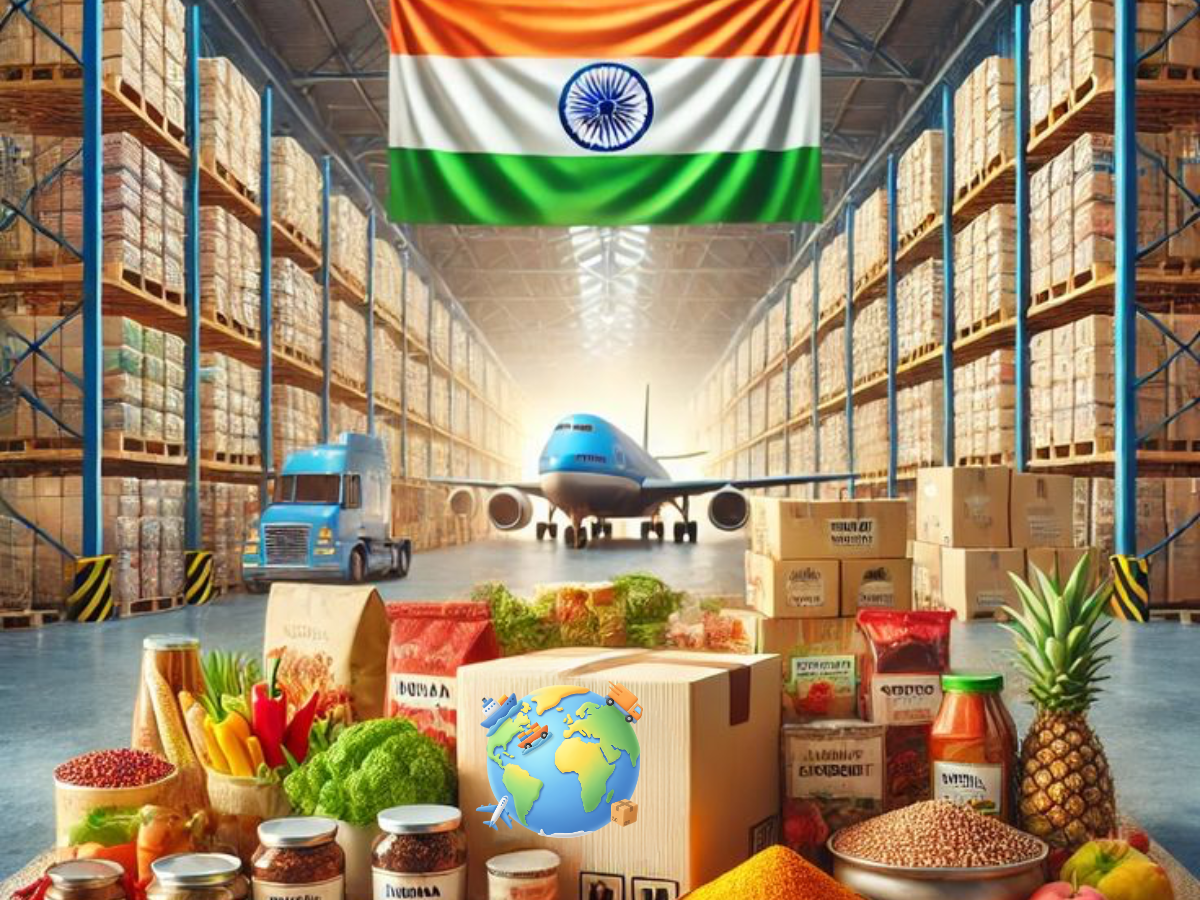
The latest US decision to withdraw reciprocal tariffs on a wide basket of agricultural and processed food products has thrown open a fresh window for global exporters. India which faced the steepest duties under the earlier order would gain the most.
This policy shift has come at a time when rising food prices at home have pushed the White House to ease trade barriers and bring in cheaper imports. For Indian producers and traders, the exemption is a long-awaited relief after several months of uncertainty.
US Tariff Cuts & Their Impact on Indian Trade
The exemptions apply to 254 products of which 229 are agriculture related items like coffee, tea, spices, nuts and tropical fruits. Together these account for nearly $1 billion worth of India’s exports to the US.
The earlier 50% tariff, announced in April which had badly dented India’s outbound shipments to the US. Some of the sharpest falls had been witnessed by coffee, tea, spices and cashew nuts. Overall exports to the US had fallen around 12% year on year in September as Indian products struggled to remain competitive.
ALSO READ: UK to Roll Out Major Asylum Overhaul: What Shabana Mahmood’s New Rules Mean
By removing the tariffs, the US seeks to combat local inflation and give importers the freedom to buy more aggressively. For India, this may bring back momentum in the key sectors that have been struggling with lower volumes and higher costs.
Major Sectors Expected to Benefit
India has formidable export capabilities in spices, tea, coffee, cashew nuts and many more. Spices alone make up around $358 million in exports to the US, while tea and coffee together contribute over $82 million.
Industry officials estimate the new exemptions could support close to $2.5 billion in export growth. The development also comes as a confidence boost for small and medium producers that rely heavily on US orders.
ALSO READ: Iran Has Stopped All Uranium Enrichment, Says Foreign Minister Abbas Araghchi
Where India Still Lags
While the outlook thus appears encouraging, the gains need not be evenly spread out. A recent report by the Global Trade Research Initiative said that India’s export profile remains concentrated in a few spice and niche categories.
The country has negligible presence in several items that are now exempt from tariffs, such as citrus fruits, tomatoes, bananas, melons and fresh juices. This limited diversification means that while the tariff relief will help India still has scope to expand its footprint across a broader range of agri-products.
What US Trade Stance
The tariff rollback signals a possible softening of the US’s trade stance and affords India an opportunity to regain lost ground. Whether Indian exporters are able to cash in fully on this opportunity would depend on how quickly they respond to revived demand and how effectively they plug gaps in the product mix.
ALSO READ: Fact-Check: Did the White House Really Claim Epstein Meant Another Donald Trump?
Disclaimer: This article is for informational purposes only and should not be taken as financial or trade advice. Always verify policies before making business decisions.