Bowser Treads a Delicate Balance Amid Federal Intervention
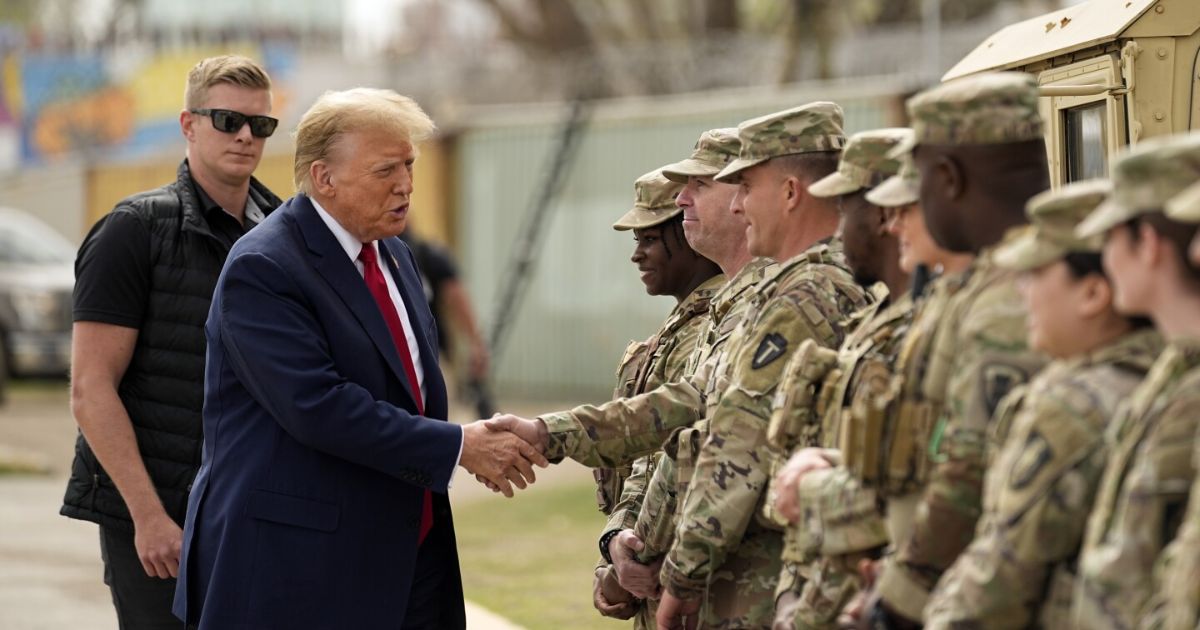
Washington DC Mayor Muriel Bowser has vowed to cooperate “side by side” with federal officials following the deployment of National Guard soldiers in the capital a step directed by President Donald Trump, who has also federalized the city’s police force.
The decision comes despite the capital recording its lowest violent crime rate in three decades. Speaking after a meeting with Attorney General Pam Bondi at the Justice Department, Bowser avoided direct criticism of Trump and instead emphasised collaboration. “You will see the Metropolitan Police Department working alongside our federal partners to enforce what’s needed across the city,” she told reporters.
Since Trump’s return to office in January, Bowser has had a wary working relationship with him, avoiding unhelpful confrontations. She positioned the federal surge as a chance to boost resources, commenting: “We have the best in the business at MPD, and we want to make sure that any additional federal officers or National Guard presence is being put to good use to reduce crime.”
ALSO READ: Trump Takes Control of DC Police, Orders National Guard Deployment
Democratic Mayors Resist ‘Law and Order’ Expansion
Whereas Bowser took a conciliatory approach, other Democratic mayors across the country pushed back more forcefully against what they perceive as a reckless precedent. Trump has indicated that such interventions could occur in other cities he asserts are plagued by “bad” crime levels, including Chicago, Los Angeles, New York, Baltimore, and Oakland.
Critics point out that all five cities are led by Black mayors, many of whom strongly rejected Trump’s move. Chicago Mayor Brandon Johnson warned that deploying the National Guard would destabilise the city, while Baltimore Mayor Brandon Scott dismissed Trump’s claims as “rightwing propaganda,” highlighting that Baltimore is experiencing its safest period in over 50 years.
In Oakland, Mayor Barbara Lee charged Trump with fear-mongering for political purposes, and Los Angeles Mayor Karen Bass whose city hosted federal troops last month decried the action as a “performative stunt” designed to erode local control.
The president’s supporters are doubling down, however. White House deputy chief of staff Stephen Miller made the unfounded assertion that “crime stats in big blue cities are fake” and implicated Democrats in an effort to “unravel civilization.”
A Federal Power Test Case?
Washington DC’s special political status makes the federal government more powerful over its police and government than in any state. Trump invoked these authorities to assume control of the city’s police force and mobilize the National Guard, raising alarm that DC might be used as a model for additional federal intervention.
DC councilmember Christina Henderson cautioned on CNN that the capital has long served as a “petri dish” for political experimentation. “Even if folks don’t live here, they ought to be struggling with us,” she mentioned.
Democratic governors have also sounded the alarm. California Governor Gavin Newsom blamed Trump for trying to “militarise any city he wants in America,” while Illinois Governor JB Pritzker stated the president “has no right and no legal ability” to deploy troops to Chicago. Making a sharp historical analogy, Pritzker warned: “The Nazis in Germany in the ’30s tore down a constitutional republic in 53 days it doesn’t take much, and we have a president who appears to be intent on doing just that.”
Political Stakes Ahead
Trump’s hardline “law and order” strategy, presented to supporters as a means of having to combat city crime, is being criticized by detractors as a political grab for authority and a blunting of local control. For Bowser, the test is to steer a politically volatile situation without risking federal aid for her city.
Whereas the DC National Guard deployment is temporary, the larger issue of how much authority a president can grant such deployments to other cities is bound to exercise the political establishment over the next few weeks. For now, Washington sits at the vortex of a high-stakes experiment one that could reshape the relationship between federal power and America’s cities.