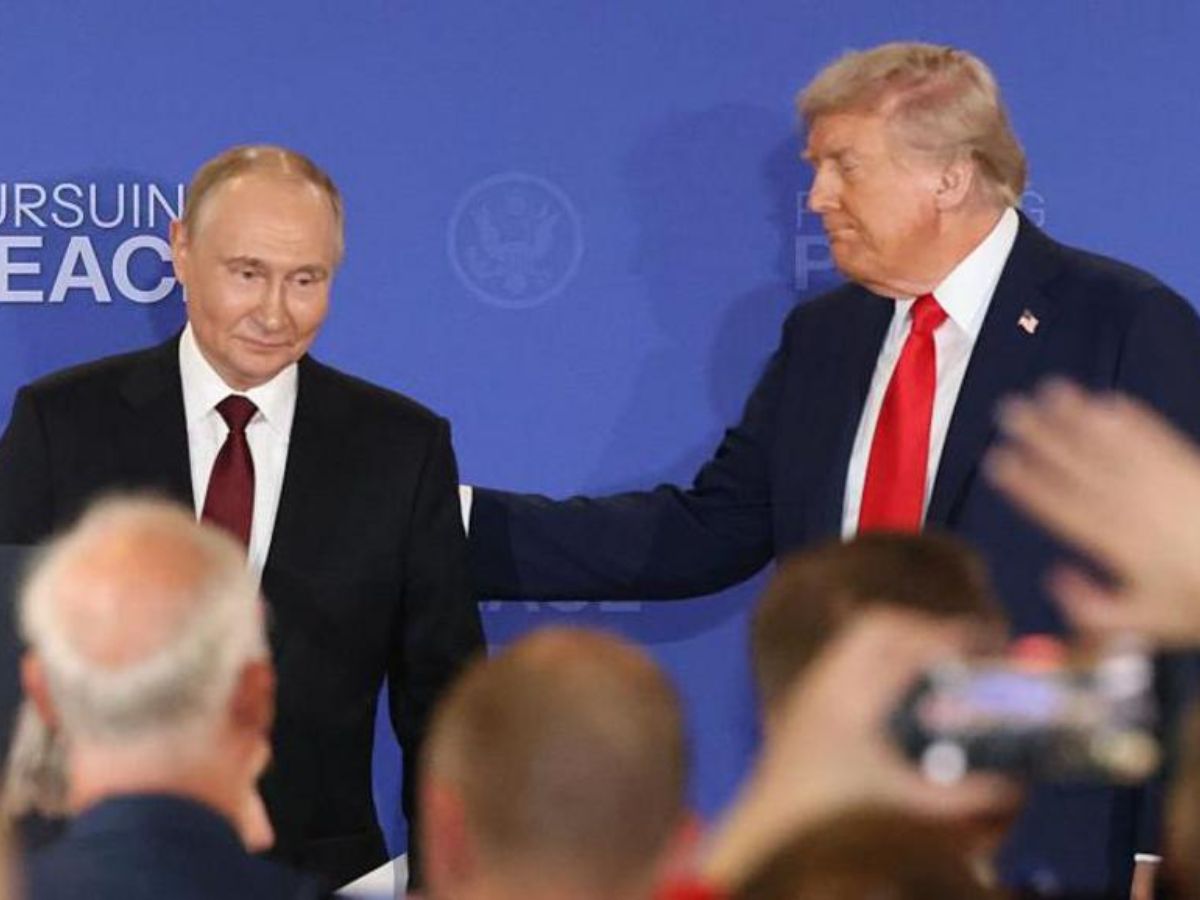
Shortly after meeting Vladimir Putin in Moscow on August 6, U.S. special envoy Steve Witkoff briefed Donald Trump with startling news: the Russian president was prepared to consider territorial concessions to end the war in Ukraine. According to two people familiar with the readout, Trump praised his envoy’s “great progress” and signaled willingness to hold a historic summit with Putin.
Conflicting Accounts Spark Confusion
But the momentum quickly unraveled. On an August 7 call with European leaders, Witkoff suggested Putin might withdraw from Zaporizhzhia and Kherson if Kyiv ceded Donetsk and Luhansk. This raised alarm among allies who saw it as a major departure from their intelligence on Moscow’s position.
The next day, in a call led by Secretary of State Marco Rubio, Witkoff appeared to reverse himself, saying Putin had not offered such withdrawals. Instead, U.S. officials said Putin’s concessions were more modest, chiefly that the West would not be asked to formally recognize Russia’s hold over Zaporizhzhia and Kherson.
Protocols Broken, Allies Stunned
Witkoff, a real estate magnate with no diplomatic background, had broken protocol by attending the Moscow meeting without a U.S. State Department notetaker, leaving Washington without a clear record of Putin’s words. The lack of clarity unsettled both European and U.S. officials.
Some diplomats feared the Russians were exploiting Witkoff’s inexperience. Others worried Trump’s reliance on close confidants, rather than traditional foreign policy structures, risked muddling negotiations at a critical moment.
Also Read: Action Against Diplomacy | Europe Triggers Snapback of U.N. Sanctions on Iran
The Road to Alaska
The confusion culminated in Trump’s August 15 summit with Putin in Alaska. Despite warm words between the leaders, no agreement emerged. Critics, including former U.S. envoy Kurt Volker, warned that the administration lacked a coherent strategy.
“Russia has not changed its position one iota. The war is raging on,” Volker said.