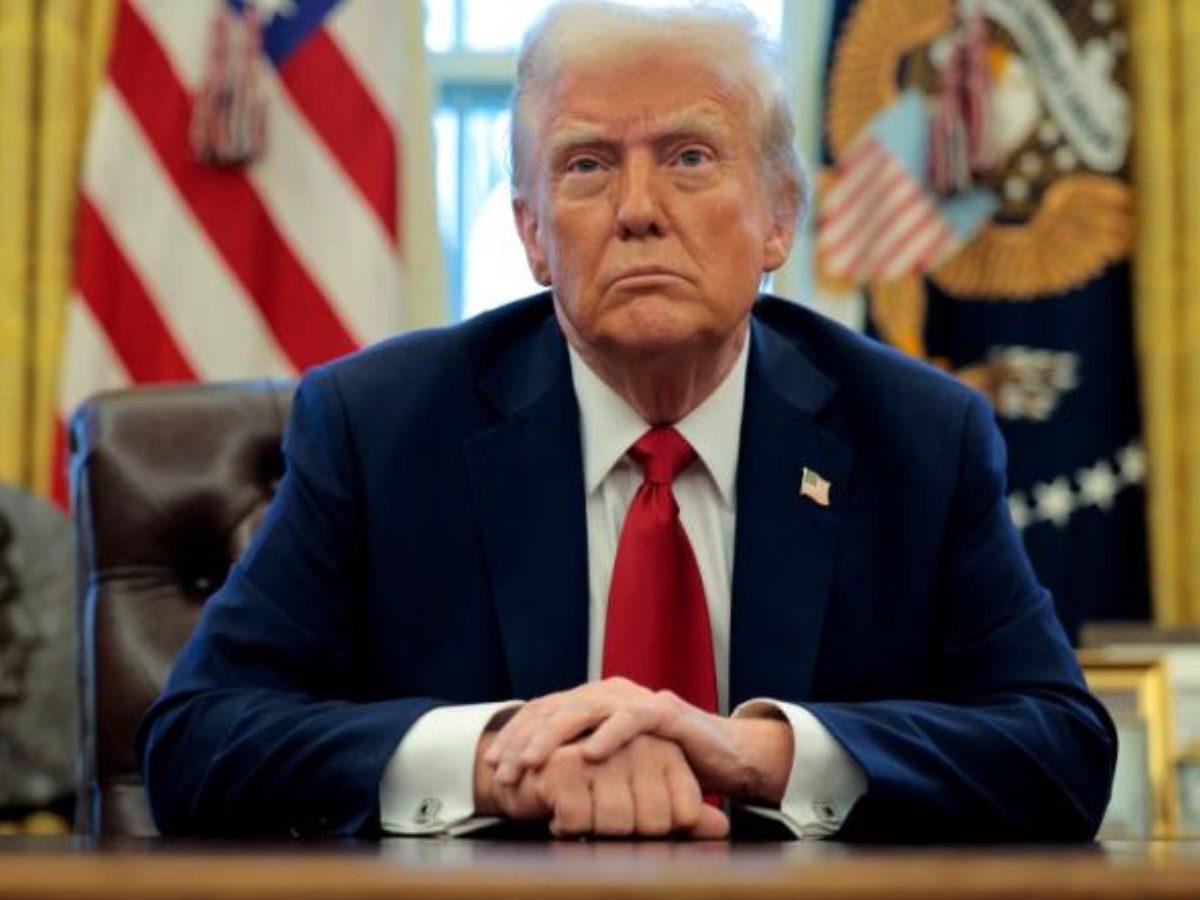
U.S. President Donald Trump has launched another set of tariffs to hit most countries shipping goods to America. The new duties, between 10% and 41%, will take effect from August 7, 2025. Although a few countries have secured trade deals with the U.S., most remain without agreements and are up against high export taxes.
On Thursday, the White House issued the list of nations to which higher tariffs will apply on their exports to the U.S. There is a minimum 10% tariff across the board, even for those not specifically named in the list.
Even though the tariffs were originally scheduled for August 1, Trump delayed them a week, mere hours before the deadline. He then signed an order imposing new tariffs on 68 nations and the European Union, but extended the deadline a second time to August 7 to permit changes to the tariff list.
Who Has a Trade Deal?
In the last few hours leading up to the announcement, Trump’s administration hurried to negotiate agreements with various countries, although most of the agreements do not have specific terms. On Wednesday, the agreement with South Korea was announced, limiting tariffs to 15%, less than the 25% previously threatened by Trump.
A day after it, Pakistan also signed a trade deal with America. The agreement has a proposal to fund the development of Pakistan’s undeveloped oil resources and lower tariffs. The European Union, United Kingdom, Vietnam, Indonesia, and the Philippines are the other nations that have agreements with America. The Philippines, though, experienced a marginal gain, it had its tariff lowered from 20% to 19%.
Countries Still Without a Deal
Several countries are still in the process of negotiation or have not yet finalized any deal. They consist of some important economies such as India, Brazil, Canada, and Taiwan and some smaller economies like South Africa, Sri Lanka, Bangladesh, and Lesotho.
Some of the recently announced tariffs are especially high:
- Syria: 41%
- Iraq: 35%
- Switzerland: 39%
- Algeria: 30%
- Taiwan: 20%
Trump also levied a 50% duty on Brazil, although critical sectors such as aircraft, aluminum, and energy were exempt. India currently has a 25% tariff, in part because of its ongoing oil dealings with Russia.
Impact on Smaller Nations
Smaller nations have been fighting to negotiate with America. One such nation is Lesotho, a tiny African nation that was previously slapped with a 50% tariff back in April. While its implementation was delayed, a 15% tariff has been imposed now, hitting its garment sector hard and causing severe job losses.
“There’s 200 countries,” Trump said last month. “You can’t talk to all of them.”
Economic Impact of Tariffs
Trump says the new tariffs are designed to restore U.S. manufacturing jobs and pressure other nations to decrease their trade barriers. But numerous economists counter that the added costs are being transferred to American consumers and businesses. As per the Associated Press, American businesses are paying the majority of the price, with increased costs on items such as electronics and furniture contributing to inflation.
Is August 7 Deadline Irrevocable?
Although the White House has indicated no more delays are anticipated, there is still doubt. After insisting the new tariffs would begin on August 1, the deadline was again moved to August 7. This eleventh-hour adjustment has many businesses in limbo wondering what to do and how to prepare.