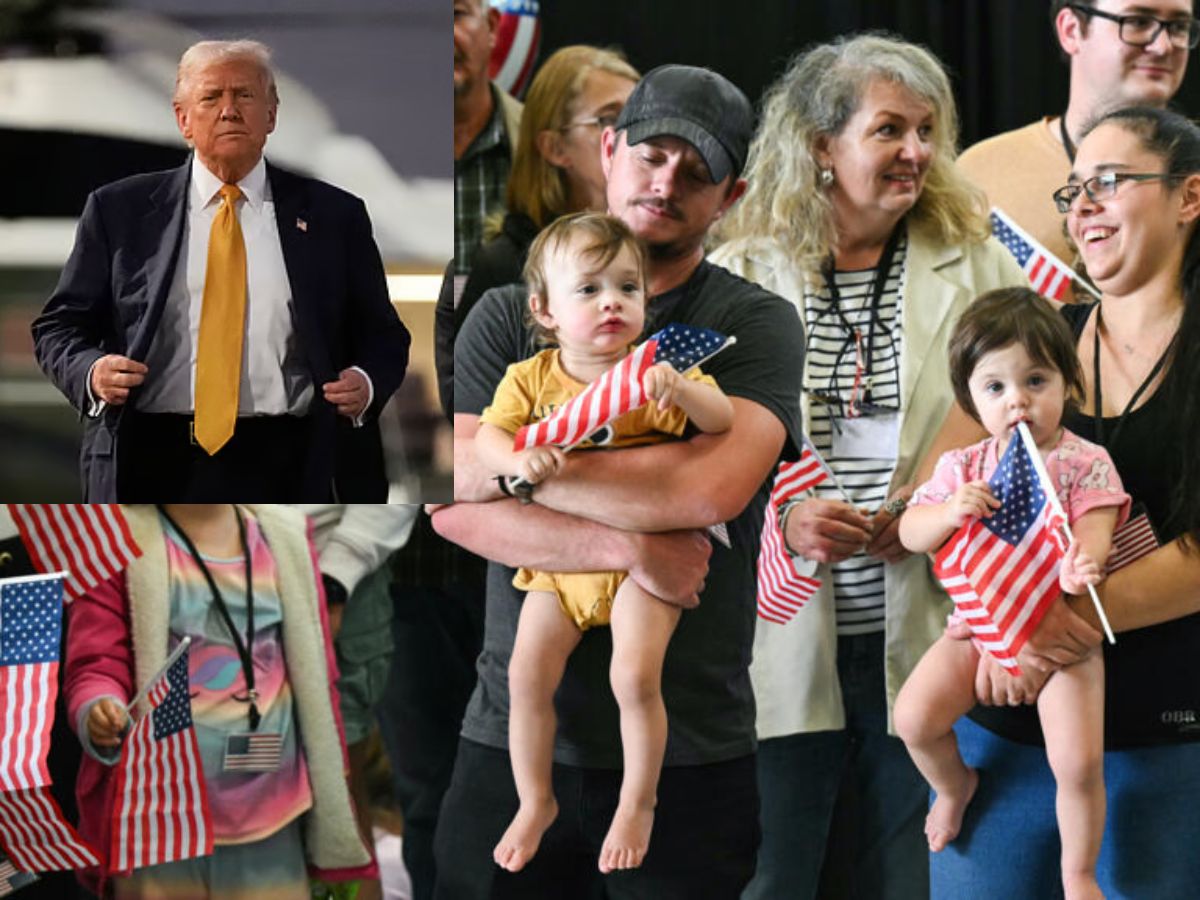
U.S. President Donald Trump has set the refugee admissions ceiling for fiscal year 2026 at 7,500, the lowest limit in the country’s history. The number, which was released in a White House memo on Thursday, is far lower than the 100,000 refugees that former President Joe Biden approved in 2024. The action is a part of a larger effort by the Trump administration to influence international asylum rules and rethink U.S. refugee policy.
Trump’s decision underscores his long-standing argument that refugee admissions should serve “America’s best interests” — a policy he reinstated upon returning to office. He had paused all refugee entries after taking office in January, saying they would resume only if restructured under his administration’s new standards.
Who Will the U.S. Take In?
The new directive specifies that refugee admissions will focus largely on white South Africans from the Afrikaner community — a minority group Trump claims faces racial persecution in South Africa’s Black-majority society. “We will stand by those facing discrimination because of their race and beliefs,” the President reportedly said during a policy briefing.
However, the South African government has repeatedly denied any such persecution, calling the claims “politically motivated and factually incorrect.”
Reuters reported that by early September, only 138 South Africans had entered the U.S. under this initiative. Critics argue that the new quota system favors select groups while excluding those fleeing from war, famine, or systemic oppression in regions like the Middle East and Africa.
Also Read: After Failed Talks, Pakistan and Afghanistan Recommit to Ceasefire Under Turkish Mediation
What Else Does the Policy Include?
In his refugee determination dated September 30, Trump added that the U.S. may also consider “other victims of illegal or unjust discrimination in their respective homelands.”
An internal government memo from April suggested possible expansion to include Europeans who face persecution for political expression — such as opposing mass migration or supporting populist movements. While Europeans were not specifically named in Trump’s public plan, officials confirmed that the administration may use “flexible interpretation” to include similar cases.
The demographic makeup of arriving refugees could be drastically altered by this adjustment, which prioritizes Western identity and political alignment over conventional humanitarian goals.
Also Read: ‘We Did It Our Way’: Xi Counters Trump’s Claim of Being the Lone Peacemaker
What Does It Mean Globally?
During the United Nations General Assembly in September, top Trump officials urged member nations to join a global effort to tighten asylum policies. The campaign seeks to replace post-World War II refugee frameworks with a new system centered on national sovereignty and selective humanitarianism.
This stance marks a major shift from multilateral cooperation to nationalist migration control — signaling Washington’s intent to reshape how the world defines “refugee” protection. The proposal has drawn both support from populist governments and criticism from human rights organizations.