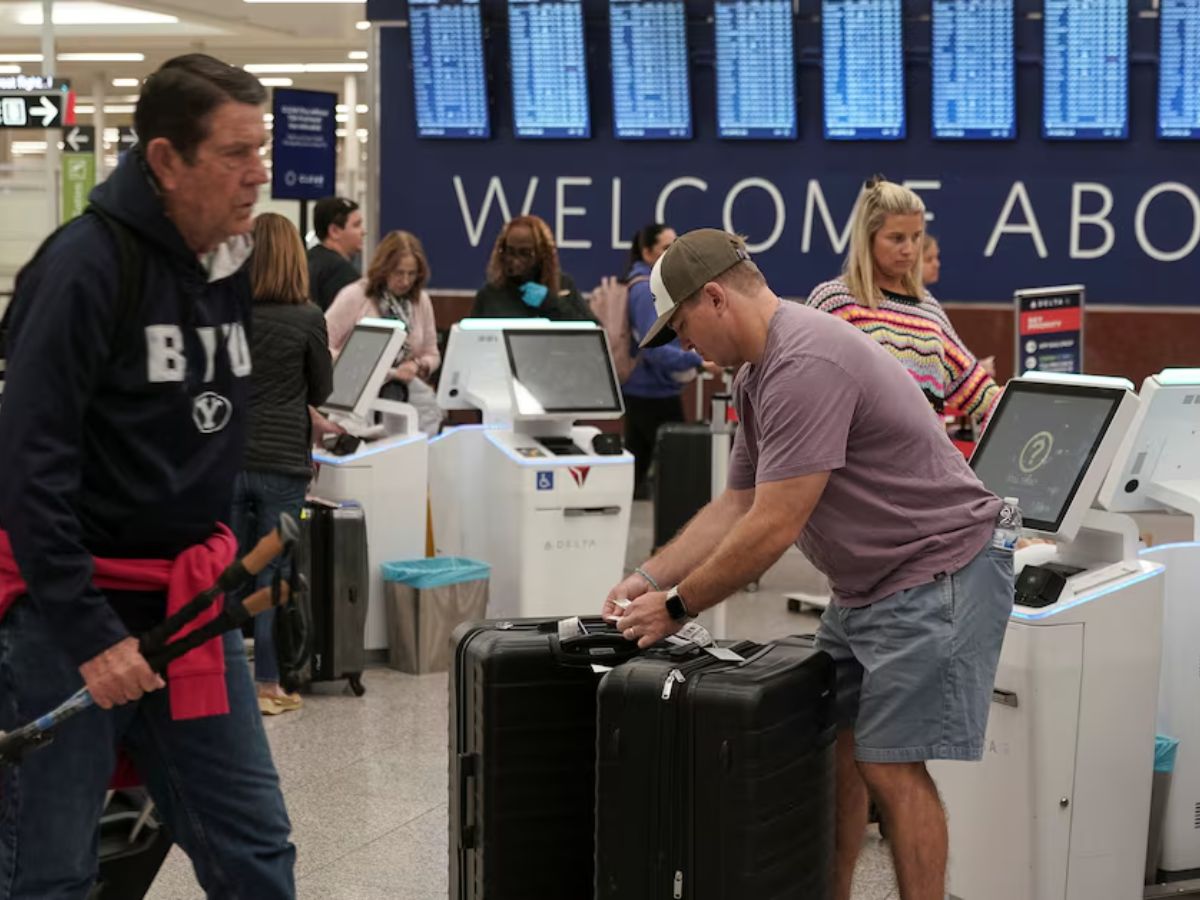
As the US federal government shutdown continues, millions face travel turmoil with the FAA ordering major flight reductions amid staff shortages. The timing, just before Thanksgiving, the country’s busiest travel period, could spell chaos for holiday travelers.
Why is the FAA Taking This Action Now?
The decision stems from a safety concern the agency says it can no longer ignore. The government shutdown has left tens of thousands of air traffic controllers and TSA screeners working without pay, leading to widespread personnel shortages. FAA Administrator Bryan Bedford stated, “We’re not going to wait for a safety problem to truly manifest itself, when the early indicators are telling us we can take action today to prevent things from deteriorating.” The proactive order aims to reduce strain on the understaffed system before a major incident occurs.
Also Read: Marshawn Kneeland Death Reason: Shocking Twist Emerges After Police Chase
How Widespread Will the Flight Cuts Be?
The impact will be significant and felt across the nation’s most important travel hubs. Starting Friday, the FAA is requiring airlines to reduce flights by up to 10% across 40 of the country’s busiest airspaces. Major airports in New York, Chicago, Los Angeles, Atlanta, Denver, and Dallas are among those facing mandatory reductions. In some metropolitan areas, multiple airports will be affected simultaneously, creating a ripple effect of delays and cancellations nationwide.
Why is the Timing So Problematic?
The cuts arrive at a disastrous time for passengers. As the Thanksgiving season—the busiest travel period in the US, approaches, grounding thousands of flights each day will stretch the system to its limits. Travelers may find themselves racing for alternate routes as delays and cancellations throw holiday plans into disarray.
Also Read: ‘Murderers, Answer Us’: Gen Z Erupts in Protest Across Pakistan-occupied Kashmir
How Are Airlines Responding to the Order?
Airlines are racing against the clock to enforce the FAA’s flight reduction order. United and Delta have confirmed cooperation while noting that their international services will not be disrupted. The cuts, therefore, will hit domestic operations hardest, forcing airlines to rework intricate schedules and manage a vast passenger communication effort in record time.