The United States has clarified that the steep 50% tariffs imposed on India this week are not solely due to New Delhi’s continued purchase of Russian oil, but also because of what Washington perceives as the slow pace of trade deal negotiations.
US Treasury Secretary Explains Tariff Hike
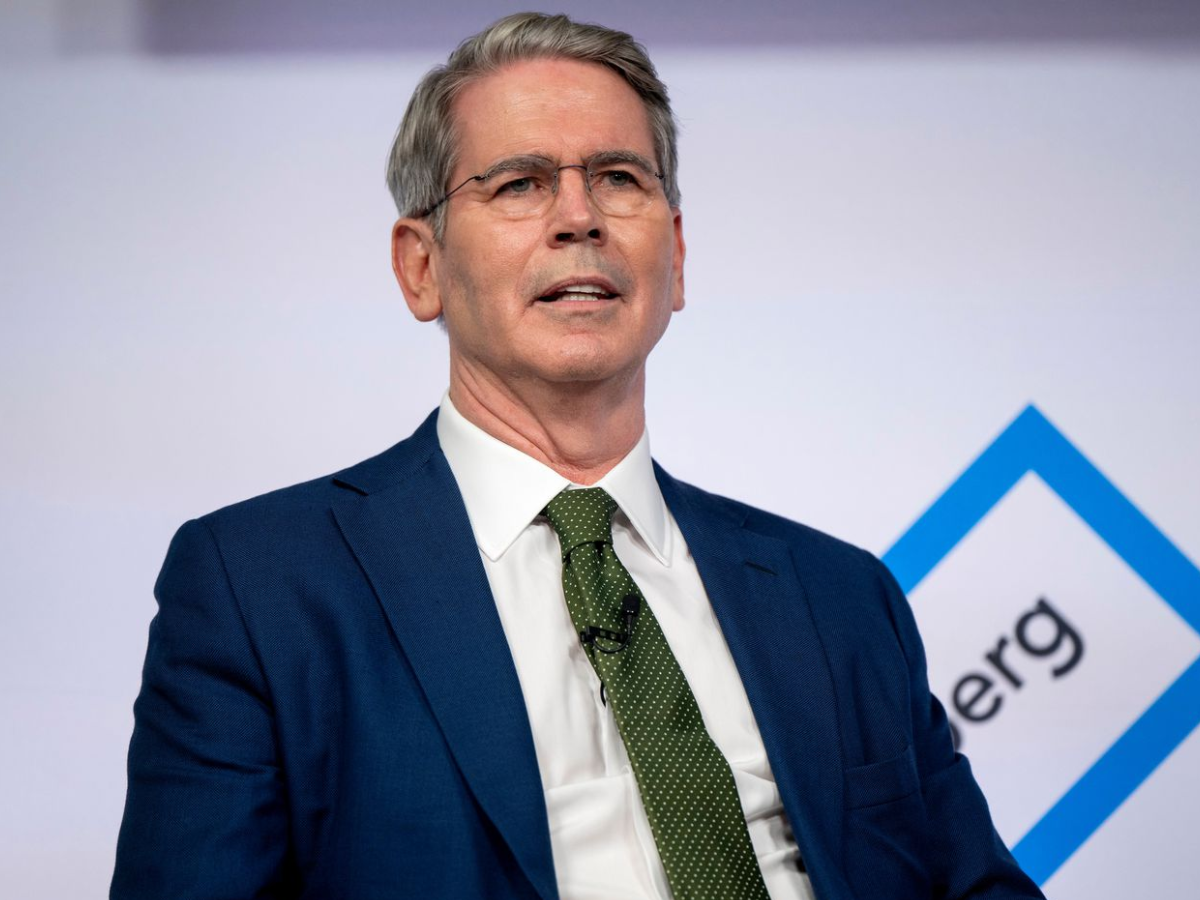
I’d expected we’d have a deal in May or June; that India would be one of the earlies deals. But they, sort of, tapped us along,” US treasury secretary Scott Bessent said to Fox Business on Wednesday, mere hours after another “penal” 25% tariff on Indian products kicked in over Russian crude imports.
The remark was the first time a high-level US official directly associated tardiness in trade negotiations with retaliatory tariffs on Indian goods.
A Complicated Relationship
Bessent recognized the overall complexity of the US-India economic relationship, adding, “It’s a very complicated relationship. President Trump and Prime Minister Modi have a very good relationship.”
He also added that India had approached Washington “early on” following what President Trump terms as “Liberation Day” on April 2, commemorating what he termed as a new era of American economic freedom. According to Bessent, that early momentum had set expectations in Washington that the deal would be finalized by mid-year.
Missed Opportunities in Trade Talks
Talks have, however, broken down. A scheduled US delegation trip to New Delhi this week for the sixth round of talks was called off. In early March, India’s commerce minister Piyush Goyal visited Washington to meet his counterpart Howard Lutnick, followed by return visits by US officials to Delhi. In April, while Vice President JD Vance was on a trip, both sides agreed on the terms of reference for a bilateral trade architecture.
In spite of this foundation, there are still disagreements, especially concerning Indian agricultural sensitivities and protection of small producers.
India Leaves Doors Ajar
India has insisted that it remains willing to keep talking but is resolute on some red lines in sensitive areas. New Delhi has also consistently maintained that it’s not fair to target it for Russian oil imports when many other nations have the same trade practices despite the war in Ukraine.
Even as the tariff increase happened, there was optimism from Bessent about the long-term path of the relationship, as he stated, “India is the world’s largest democracy. The US is the world’s largest economy. I think at the end of the day we will come together.”
Analysts point out that the recent tariff increase highlights both the strategic significance and enduring tensions in the US-India trade relationship.