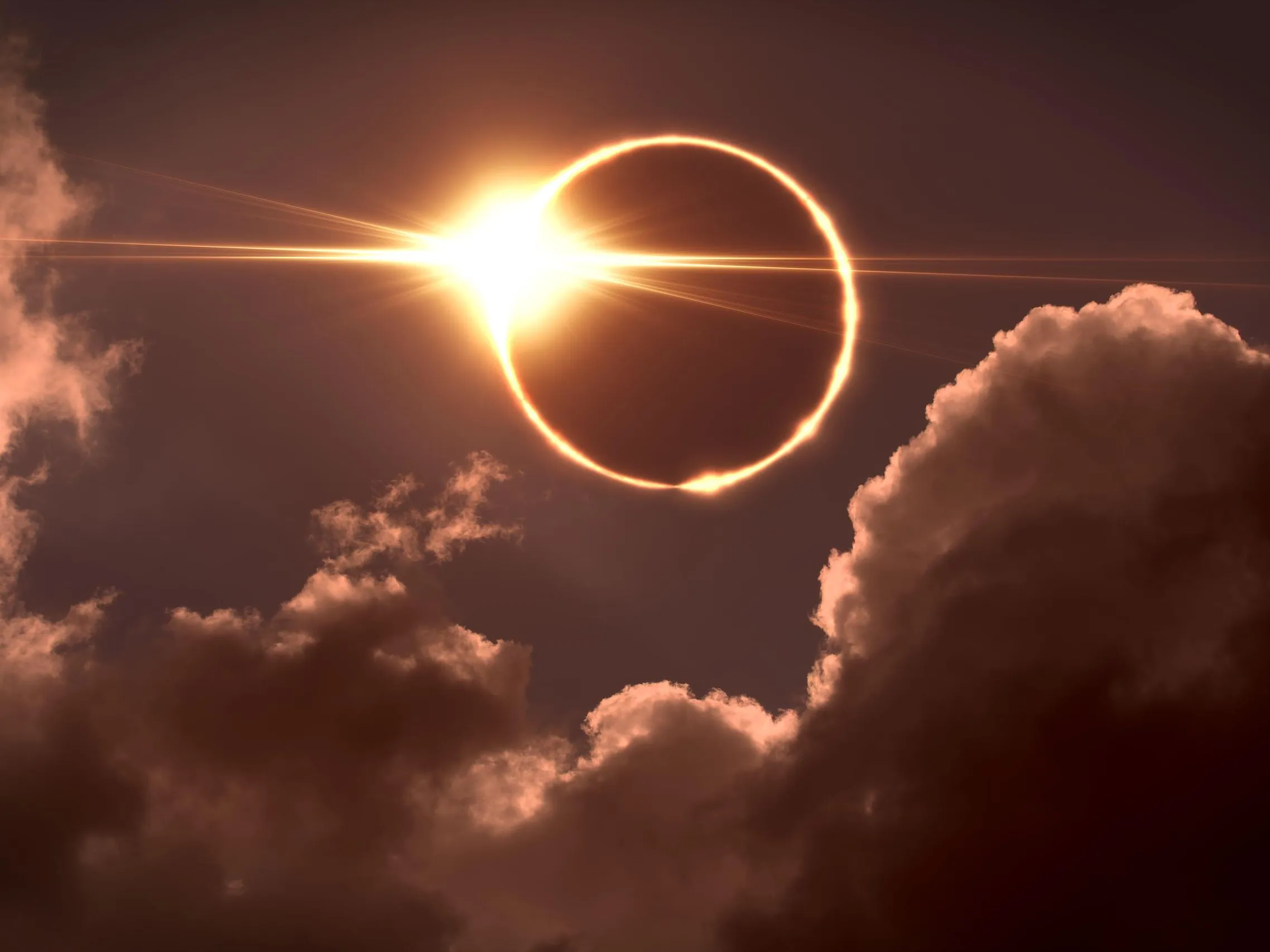
With misinformation stormed social media today about a so-called solar eclipse, NASA made a switch from dismissing viral internet rumours to promoting its agenda for future solar studies and space interactions. In the wake of the virally transmitted hoax reports of a solar eclipse all over the world on August 2, NASA quickly explained that there is actually no such occurrence happening, instead leveraging the opportunity to highlight its plans to enhance humanity’s knowledge of the Sun and future cosmic events.
After the members of Crew-11 enter the @Space_Station, the full station crew takes part in a welcome ceremony, marking the beginning of Crew-11’s mission aboard the orbital outpost. pic.twitter.com/PL6AIpw32E
— NASA (@NASA) August 2, 2025
Confronting Misinformation While Encouraging Curiosity
NASA outreach staff spent a large part of the weekend answering an uptick in public inquiries, posting digital notices and social media messages encouraging the public to use confirmed astronomy calendars. “No solar eclipse is taking place today,” NASA stressed, explaining that solar eclipses are carefully planned years ahead of time and are only visible to significant parts of the world infrequently.
Instead of merely setting the record straight, NASA used the moment to point the spotlight toward actual upcoming events, a partial solar eclipse on September 21, 2025, and the highly anticipated total solar eclipse on August 2, 2027, which will cross the paths of Europe, Africa, and the Middle East.
Getting Ready for the Next Eclipses
The preparations for the next big astronomical events have already started, according to NASA’s chief eclipse scientist
- Partial Solar Eclipse, September 21, 2025: NASA will offer real-time webcasts, solar safety guidelines, and interactive educational tools. The agency will work in collaboration with global partners so Australia, New Zealand, and Antarctica residents have a safe way to experience the partial eclipse.
- Total Solar Eclipse, August 2, 2027: Referred to as the “Eclipse of the Century,” the 2027 eclipse is the centrepiece for NASA’s next generation of eclipse science. Missions are already being planned to observe the Sun’s corona at totality, to test new observing instruments, and to involve the public in citizen science initiatives. NASA plans to send team members and equipment along the path of totality, partnering with universities, space agencies, and local observatories throughout Africa and the Middle East.
Expanding Solar Research Efforts
Beyond viewing the eclipse, NASA is ramping up work on its premier solar missions:
- Parker Solar Probe is continuing to return unrivalled information on the outer atmosphere of the Sun, opening the door to secrets of solar wind and space weather that impact satellites and the power grid of Earth.
- Heliophysics Big Year: NASA is organising a “Heliophysics Big Year” for 2026–27, calling on international participation in solar research ahead of the 2027 total eclipse.
Fostering Public Engagement
NASA’s public affairs officer urged interested citizens to participate in future public forums, download new solar apps, and take part in solar watching campaigns. The agency cautioned users to never observe the Sun directly without certified safety eyewear, a warning heightened in part by recent viral hoaxes.
Nutshell
Although today skies weren’t darkened by an eclipse, NASA is taking the opportunity to promote actual opportunities on the horizon, getting ready for breathtaking eclipses of the future, pushing forward with solar science, and encouraging the next generation of sky observers with fresh vigour and international outreach.