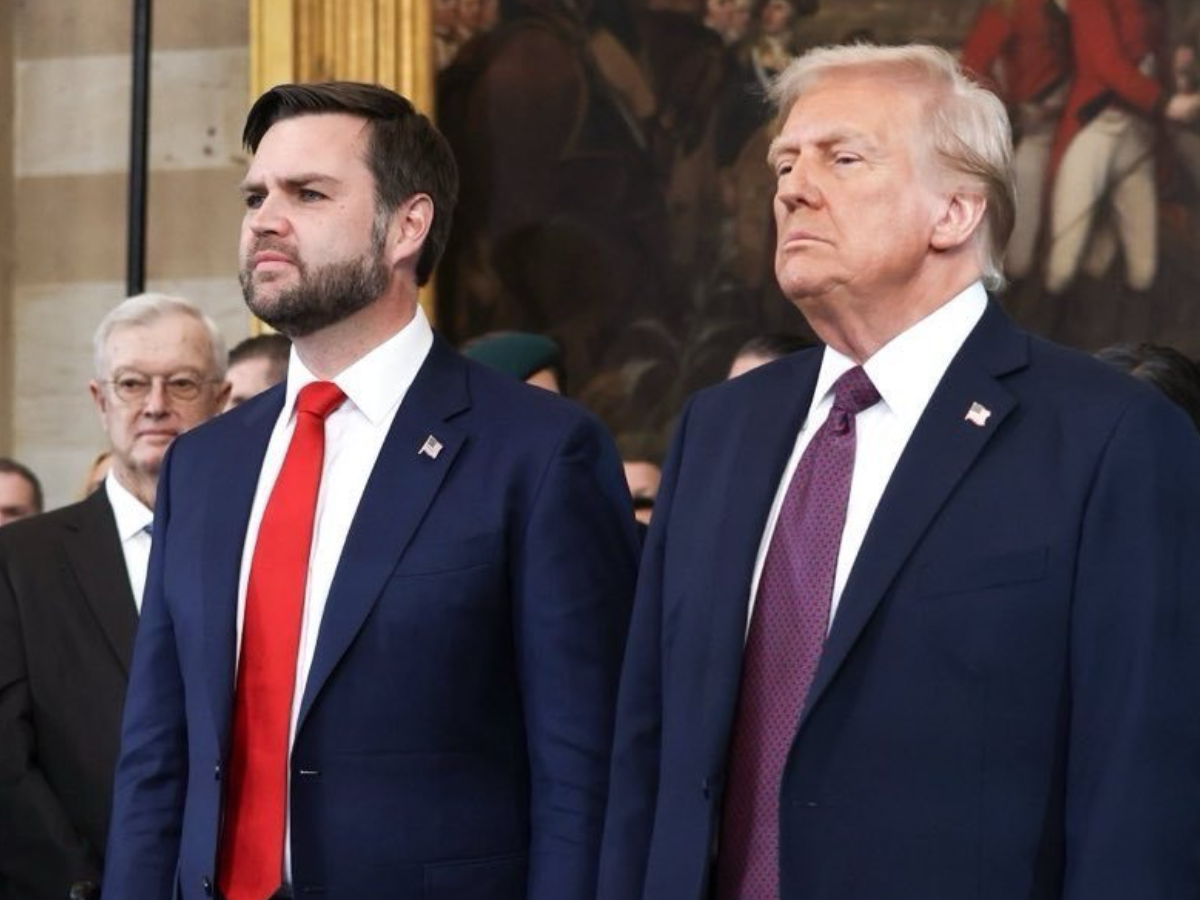
US Vice President JD Vance has revealed that the penal tariffs imposed on India were used as a form of economic leverage to push Russia toward negotiations with Ukraine. Speaking in an interview with NBC, Vance explained that President Donald Trump applied “aggressive economic leverage,” citing the secondary tariffs on Indian imports as a tool to make it harder for Russia to profit from its oil economy amid the ongoing war.
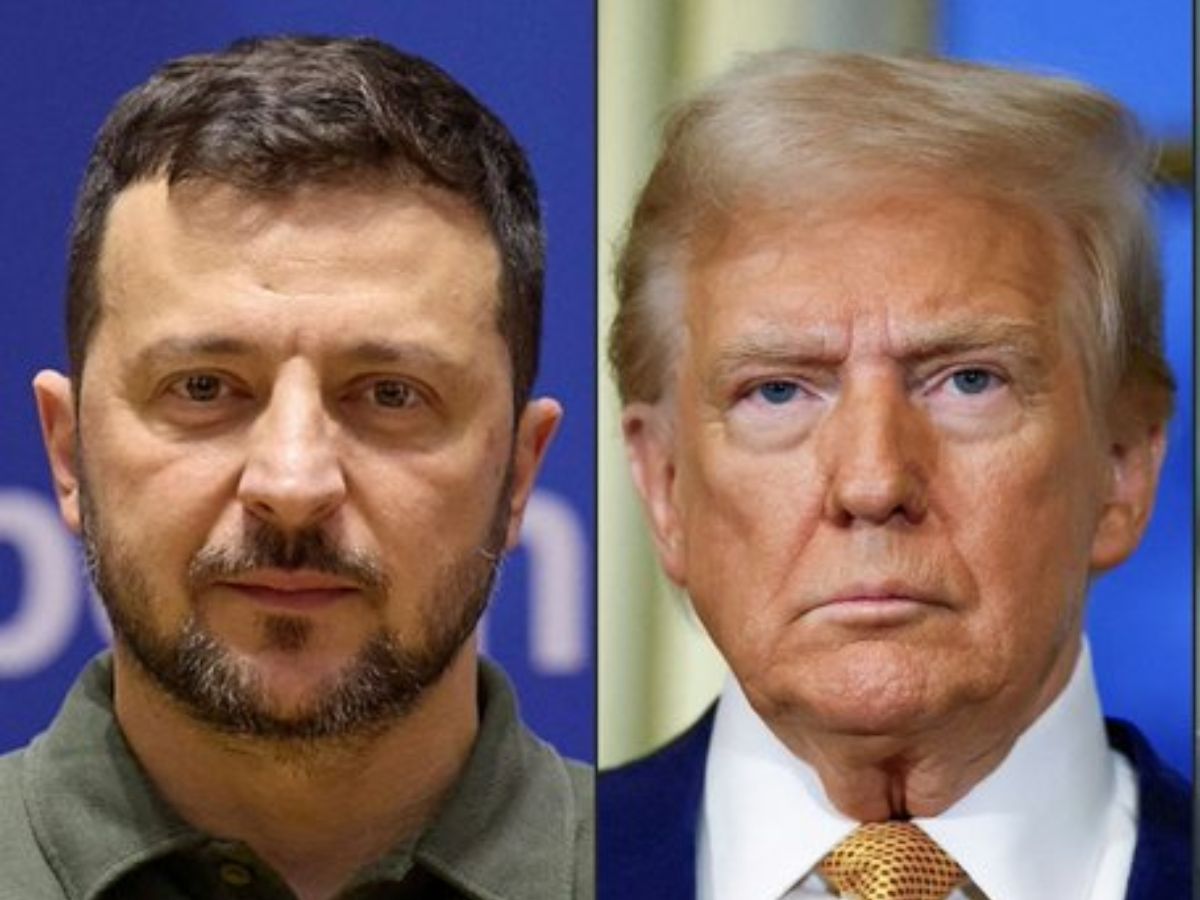
These remarks come after Russian President Vladimir Putin held talks with Trump in Alaska, followed by a meeting between Trump and Ukrainian President Volodymyr Zelensky. While these interactions have yet to lead to a formal trilateral agreement, the US administration is actively using economic measures to influence the trajectory of the conflict.
India Questions Tariff Logic
India has questioned the rationale behind the US-imposed tariffs on its exports, particularly the 25% duties currently in effect, with an additional 25% planned before the end of August. The tariffs primarily target India’s oil imports from Russia, which New Delhi had initially purchased at lower prices with tacit encouragement from the US.
Despite these tensions, India has sought to maintain a balanced approach, reaffirming its longstanding relationship with Russia while simultaneously seeking to repair relations with China. Prime Minister Narendra Modi is reportedly planning to travel to China soon for a multilateral meeting, with the possibility of one-on-one talks with President Xi Jinping.
Differentiating India and China
During the interview, Vance addressed why China has not faced similar penalties despite being a major purchaser of Russian oil. He noted that while India and China are nearly equal in their oil imports from Russia, the US has already imposed 54% tariffs on China and is encouraging Beijing to be a more cooperative partner.
US officials have argued that India’s case differs because it allegedly resells Russian oil for profit, whereas China’s purchases predate the Ukraine conflict. Vance also indicated that the “leverage” on Russia could be adjusted, suggesting that tariffs on India might be dialed up or down depending on the progress of Trump’s mediation efforts.
India’s Diplomatic Balancing Act
India’s Foreign Minister, S. Jaishankar, emphasized that India is the second-largest buyer of Russian oil after China, highlighting New Delhi’s nuanced position in the ongoing geopolitical landscape. The Modi government’s strategy appears focused on maintaining energy security, preserving international trade relationships, and asserting its strategic autonomy in the face of global pressures.
The US-India tariff dispute underscores the complex interplay between economic measures and diplomatic negotiations in global conflicts. While the tariffs aim to influence Russia, they have also introduced tension into India-US relations. How these tariffs evolve will likely depend on developments in the Ukraine war, ongoing US-Russia negotiations, and India’s broader foreign policy priorities.
As the situation unfolds, both New Delhi and Washington will have to balance economic pressures with strategic diplomacy, navigating an intricate web of international interests while seeking to achieve stability in the region.