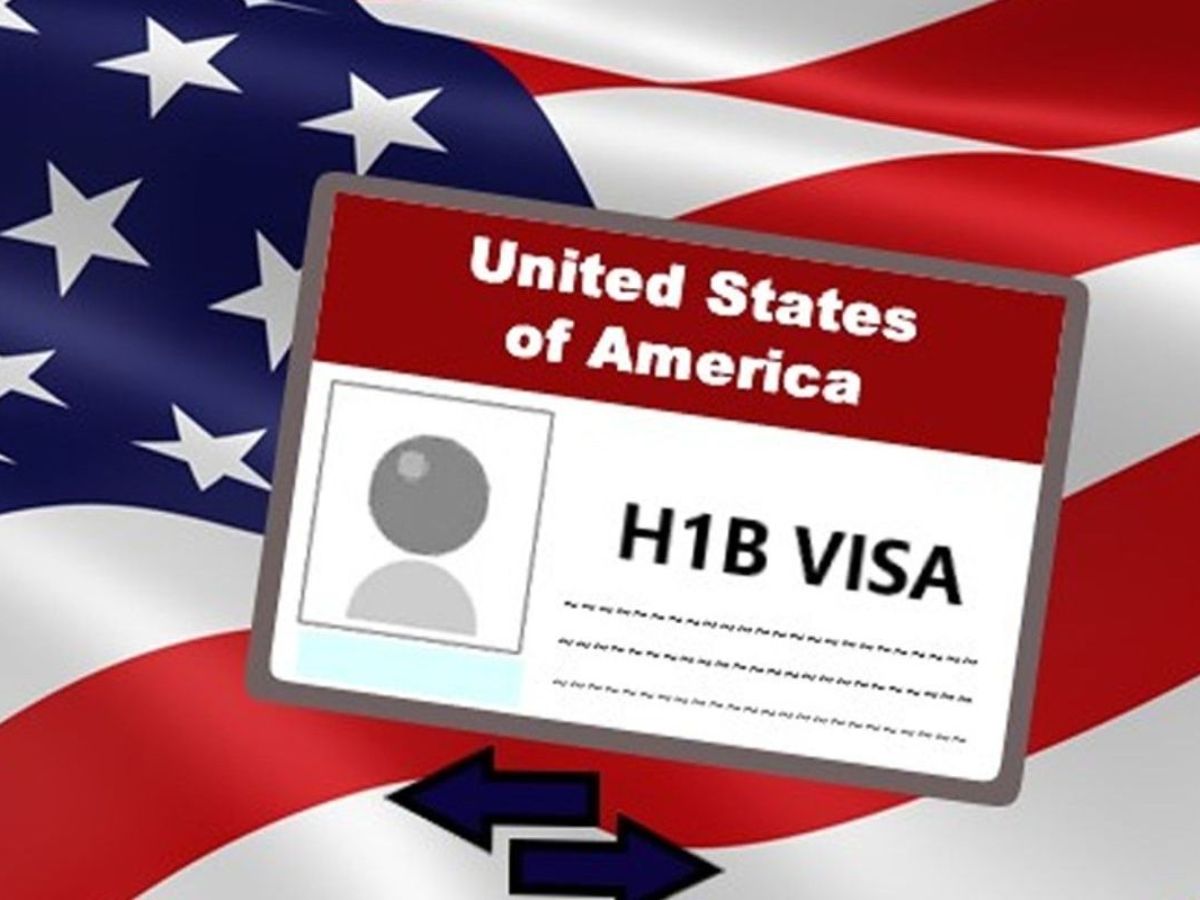
Thousands of Indian H-1B visa holders in the US are expressing alarm over a new guideline from the US Citizenship and Immigration Services (USCIS) that could jeopardize their children’s eligibility for green cards.
From August 15, the USCIS will calculate a child’s age under the Child Status Protection Act (CSPA) using the final action date, the cut-off date when an immigrant visa becomes available, rather than the date for filing, which was used under 2023 guidelines by the Biden administration.
Previously, using the date for filing helped protect children from ‘aging out’ due to extensive backlogs, locking in their age until a green card was issued.
Impact on Indian Families
Indians make up 62% of the employment-based green card backlog, according to the Cato Institute, with over one million pending petitions under EB-2 and EB-3 categories as of March 2023. Immigration experts warn that the new change could leave more Indian children at risk of losing eligibility once they turn 21.
ALSO READ: Republican Lawmaker Greene Urges Trump to Ban H-1B Visas After India Tariff Threat
While the rule won’t affect families who have already filed petitions that lock in a child’s age, those filing on or after August 15 could face significant challenges.
Rising Panic Among Applicants
Gnanamookan Senthurjothi, founder of Visa Code, said his firm has already held multiple meetings with anxious Indian immigrants. “Most of the calls have been about what their status is and the way forward,” he noted.
Sukanya Raman, country head of Davies & Associates, echoed the growing concerns, explaining that “the final action date is often years behind the date for filing, and many will risk losing the eligibility for green card in the US. More children are at risk,” she warned.
Possible Alternatives Before Deadline
Experts have advised the families to figure out if they can file petitions before August 15 to secure their child’s eligibility. However, this may not be feasible for all.
Raman suggested rush filing for the EB-5 visa, which allows investment-based residency. She also recommended student visas or other non-immigrant options for those working.
ALSO READ: US Raises Fees for Student, Tourist, and H-1B Visas, Adds $250 Security Deposit
Senthurjothi pointed out that for some families, the situation could determine whether they remain in the US or return to India. “For them, the options right now would be a student visa (F-1) or H-1B, if they are working,” he said.
Just a few days before the new rules come into effect, the experts estimate a surge in RB-5 applications from those who have enough funds to make the required investment quickly.