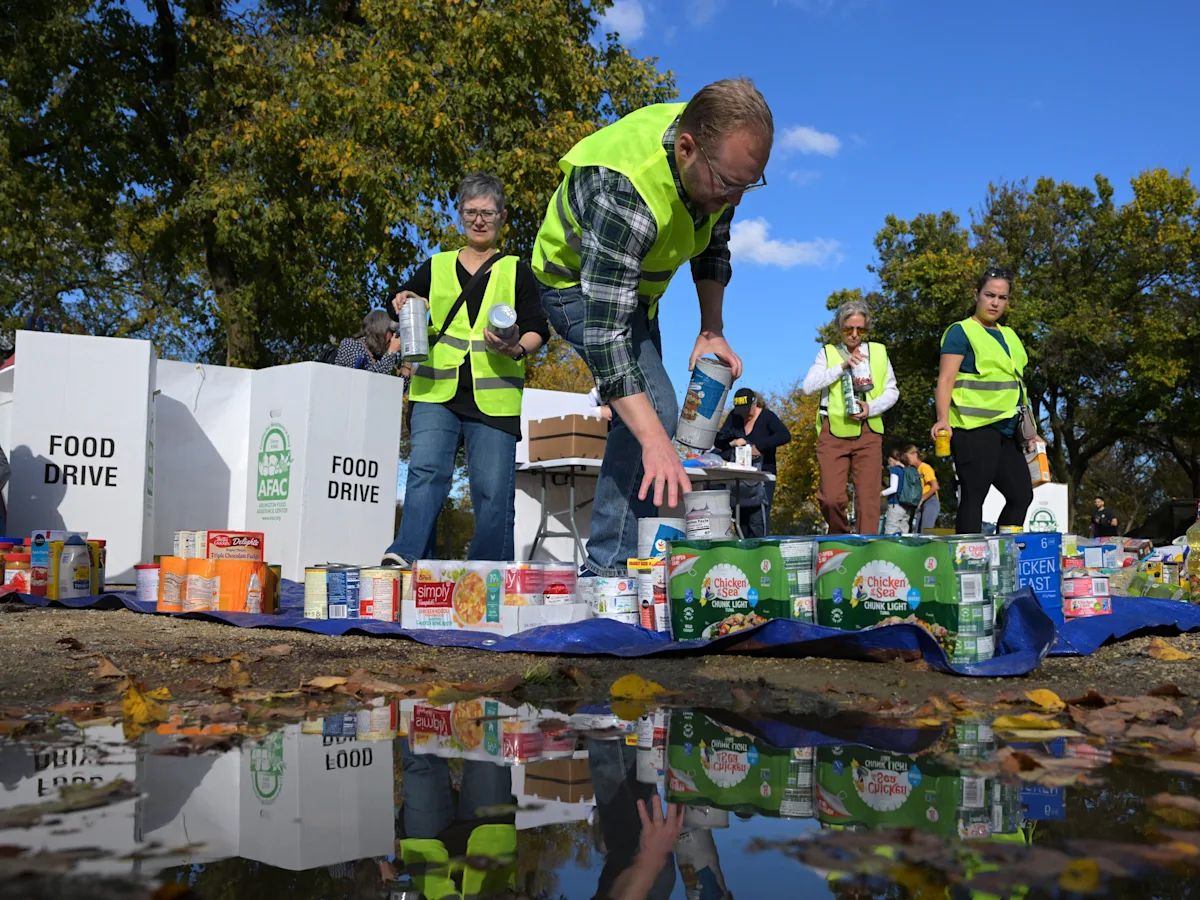
In a dramatic weekend development, the U.S. Department of Agriculture (USDA) has instructed states to reverse any actions taken to issue full food stamp benefits for November. This directive places state governments in a difficult position and deepens the uncertainty for nearly 42 million low-income Americans who rely on the Supplemental Nutrition Assistance Program (SNAP), commonly known as food stamps.
The Supreme Court’s Decisive Intervention
The legal battle over food aid took a sharp turn on Friday. The U.S. Supreme Court issued an order that temporarily allowed the Trump administration to continue withholding approximately $4 billion in funds needed for full SNAP benefits. This decision put a hold on a lower court’s ruling that had demanded the benefits be fully funded. The high court’s intervention meant the administration did not have to release the full amount while its appeal is pending. This set the stage for the USDA’s subsequent actions and created a whirlwind of policy changes over a 48-hour period.
Also Read: ‘People Against Tariffs Are Fools’: Trump Promises $2,000 Dividend for Americans
A Weekend of Reversals for State Governments
What happened in the hours leading up to the Supreme Court’s decision? Just before the high court’s order, the USDA had sent a memo to states indicating it was working to comply with a federal judge’s directive to fully fund SNAP. In response, several states, including Massachusetts, New York, and New Jersey, began preparing to issue the full benefit amounts to their residents. However, the landscape shifted completely with the Supreme Court’s Friday order. By Saturday, the USDA released new guidance, stating that any state actions to issue full benefits were now “unauthorized.”
What Does the New USDA Mandate Mean for States?
The USDA’s Saturday memorandum was unequivocal. It commanded states to “immediately undo any steps taken to issue full SNAP benefits for November.” The message carried a significant threat. The USDA warned that states failing to comply could face financial penalties. These penalties include the cancellation of federal funds that cover state administrative costs. States could also be held liable for any “overissuances” of benefits that resulted from noncompliance. A key question remains: does this apply to states using their own funds? The guidance did not immediately clarify if states that had pledged to use their own money to cover the benefits were also subject to this rollback order.
The Legal Fight Over Food Assistance
How did this conflict begin? The current crisis stems from the ongoing federal government shutdown, now in its 40th day. For the first time in SNAP’s 60-year history, benefits lapsed at the start of November. This prompted states, cities, and non-profit organizations to sue the Trump administration. On October 31, two federal judges ruled that the administration must use a $5 billion contingency fund to at least partially fund the benefits. Later, on November 6, U.S. District Judge John McConnell went further, ordering the administration to fully fund November benefits. The Department of Justice quickly appealed that decision, leading to the Supreme Court’s temporary freeze.
Also Read: NASA’s ESCAPADE Mission to Mars Set for Launch on Blue Origin’s New Glenn Rocket
Uncertainty for Millions of SNAP Recipients
This judicial and regulatory conflict centers on the millions of Americans who depend on SNAP to support their families. The back and forth between federal memos and judicial rulings creates an unstable situation. Recipients are left wondering how much assistance they would ultimately receive in November. The scenario demonstrates how vulnerable safety net services are in times of political deadlock. The administration has previously attributed potential delays to technical issues, even in cases when payment is required.