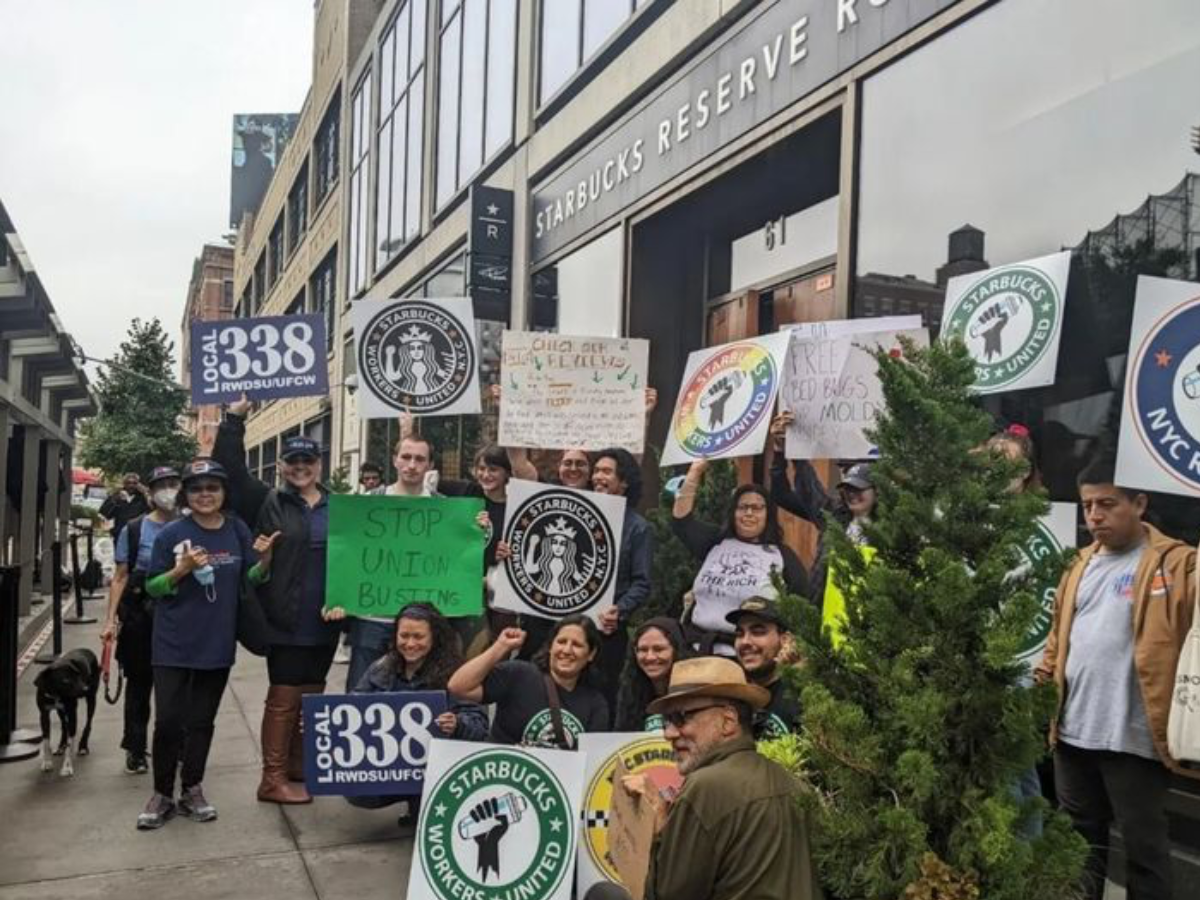
Starbucks is once again facing pressure as a nationwide strike increases in size by the week. What began as a spate of walkouts has grown to 65 stores across the US. The latest shutdown, at a cafe in Albany, New York, comes just days after New York City’s socialist mayor elect Zohran Mamdani publicly backed a boycott of the company.
The dispute has ramped up at the start of Starbucks’ crucial holiday season-a period that usually brings in some of its most lucrative sales.
Starbuck Strike Fueled by Worker Discontent
The strike outside its New Scotland Avenue location began Thursday, the same day top incoming city officials joined a picket line with baristas in Manhattan. Workers say the company is stalling negotiations and refusing to address what they call unfair labor practices.
Starbucks Workers United says the goal is to stage the largest and longest strike in company history, urging customers to stay away until corporate leadership changes course.
How Starbucks Responded
It insists that the majority of stores remain open and continues to show exasperation at the union’s actions. A company spokesperson said they anticipate a robust holiday season and are prepared to welcome customers across the United States. The company denies anti-union behavior, rebutting several charges filed with the National Labor Relations Board.
Starbucks workers across the country are on an Unfair Labor Practices strike, fighting for a fair contract.
While workers are on strike, I won’t be buying any Starbucks, and I’m asking you to join us.
Together, we can send a powerful message: No contract, no coffee. https://t.co/Cw0WMf2hVW
— Zohran Kwame Mamdani (@ZohranKMamdani) November 14, 2025
ALSO READ: Zelensky on US Peace Plan: ‘Includes Ukrainian Perspective’ as Europe Seeks Clarity in Geneva
Why Workers Walked Out
The walkouts started on November 13, the same day as the company’s popular “red cup day,” a major promotional event kicking off holiday sales. More than 2,000 workers have joined picket lines across 65 cities.
Negotiations for a first contract have been at an impasse for months with each side blaming the other for refusing to bargain. Workers say they are striking over predictable schedules, better staffing and pay that keeps pace with rising living costs.
ALSO READ: China-Japan Tensions: Beijing Says Japan Crossed Taiwan Red Line as US Approves New Arms for Taipei
Starbuck Strike: Inside the Workers Frustrations
For many, the strike is about survival, not ideology. Some say they fear retaliation but feel they can’t stay silent. One barista in Pittsburgh described the risks as “life-altering,” adding that while Starbucks may view negotiations as a corporate game, the basic livelihoods of workers hang in the balance.
Company Under Strain
The labor dispute comes as Starbucks struggles with slowing sales. The company only reported a 1 percent increase last quarter its best performance in seven quarters.
Rising coffee prices, weaker demand and the 10 percent drop in share value so far this year have pushed Starbucks to rethink its direction. As part of an effort to reverse the decline under the Back to Starbucks strategy, CEO Brian Niccol plans store closures and job cuts.
ALSO READ: Trump Slams Ukraine’s ‘Zero Gratitude’ & Criticises Europe Amid Peace Plan Talks
Disclaimer: This article is for informational and editorial purposes only and does not offer legal, financial or labor-related advice.