330
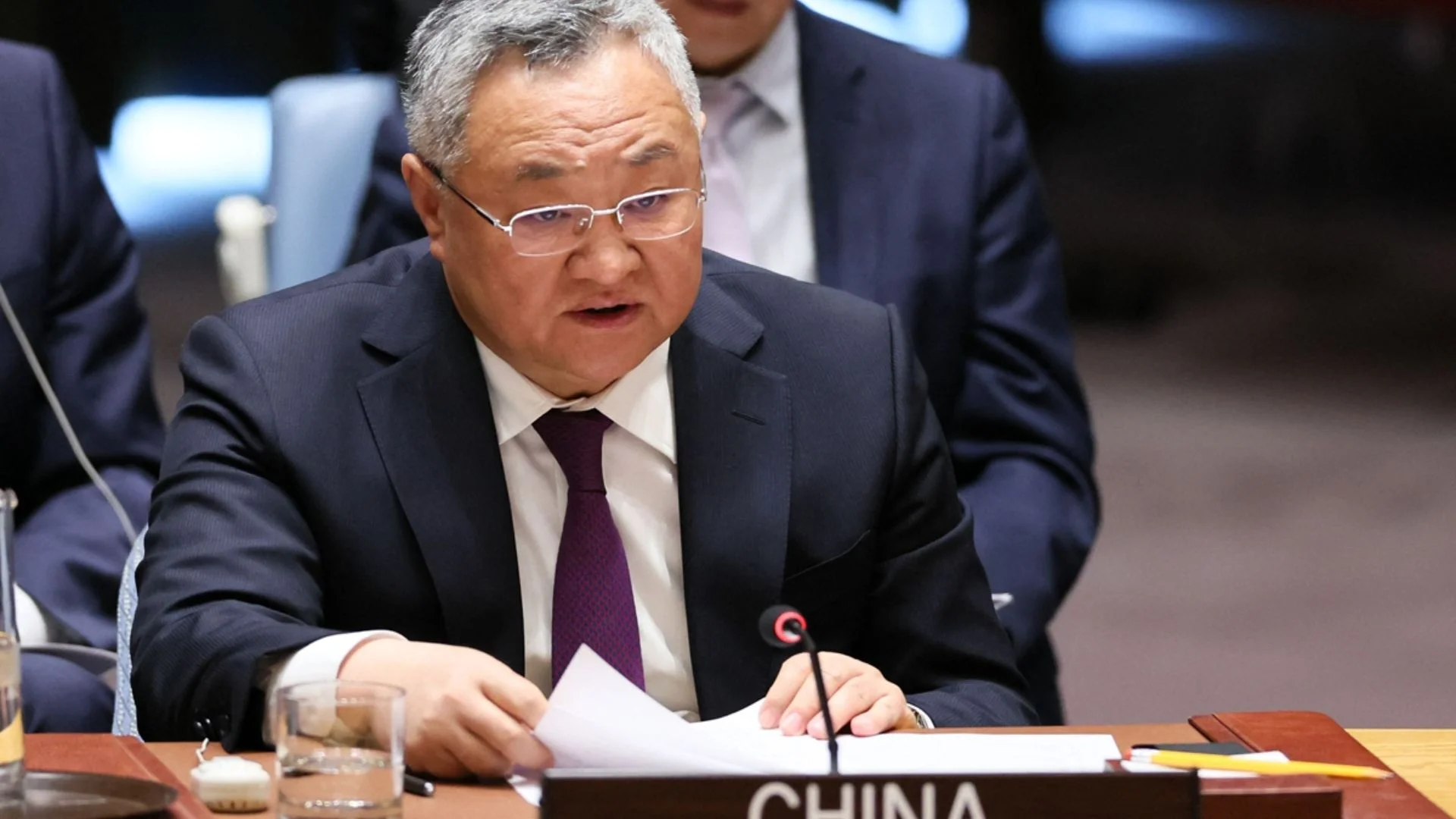
China has responded to statements by US ambassador-designate Peter Lamelas that it was spreading a “Cold War mentality” and cautioned his remarks may pull Argentina into global power rivalries.
Lamelas, who is a Cuban-American doctor and political donor without any previous diplomatic experience, made some contentious remarks at his Senate confirmation hearing on Tuesday. He asserted that Chinese investment in Argentina “could lend themselves to corruption” and promised to watch for such arrangements closely if confirmed. He also placed China alongside Cuba, Venezuela, Iran, and Nicaragua, blaming them for eroding democratic principles in Latin America.
The Chinese embassy in Buenos Aires quickly denounced the comments on Thursday, calling them ideologically prejudiced and recalling old US foreign policy schemes such as the Monroe Doctrine. It warned that such language threatened to turn Argentina into a battleground for great power competition.
The reaction wasn’t confined to Beijing. In Argentina, various provincial governors responded sharply. Buenos Aires Governor Axel Kicillof branded Lamelas as not welcome in the province, while opposition lawmakers introduced a motion urging the national government to reject his nomination. Former President Cristina Kirchner, who is currently on house arrest for corruption, posted jokes online about Lamelas, calling him “a new prosecutor fresh from Mar-a-Lago.
Despite the uproar, Lamelas is still expected to be confirmed once the US Senate reconvenes in September. He would likely take up his post in Buenos Aires soon after.
President Javier Milei’s administration has stayed silent on the controversy. According to local media, officials are trying to maintain strong relations with Washington without damaging commercial ties with Beijing.
Since assuming power in December 2023, Milei has moved from campaign vows to cut off ties with China to a more pragmatic tack. Argentina this week eased visa requirements for Chinese citizens who already possess valid US visas, granting them entry without a special Argentine visa.
In the meantime, work has resumed on large-scale Chinese-funded infrastructure projects, such as hydroelectric dams in Santa Cruz province that had been on hold for months.
Experts explain the tone change does not represent a definite strategy. Patricio Giusto, head of the Sino-Argentine Observatory, countered the Milei government does not exhibit long-term planning in foreign policy particularly towards China.
Milei is still stuck on a bilateral encounter with Trump at the White House,” Giusto said. “He has visited the US ten times since being president but hasn’t been able to get it. That’s a ridiculous record for a head of state.