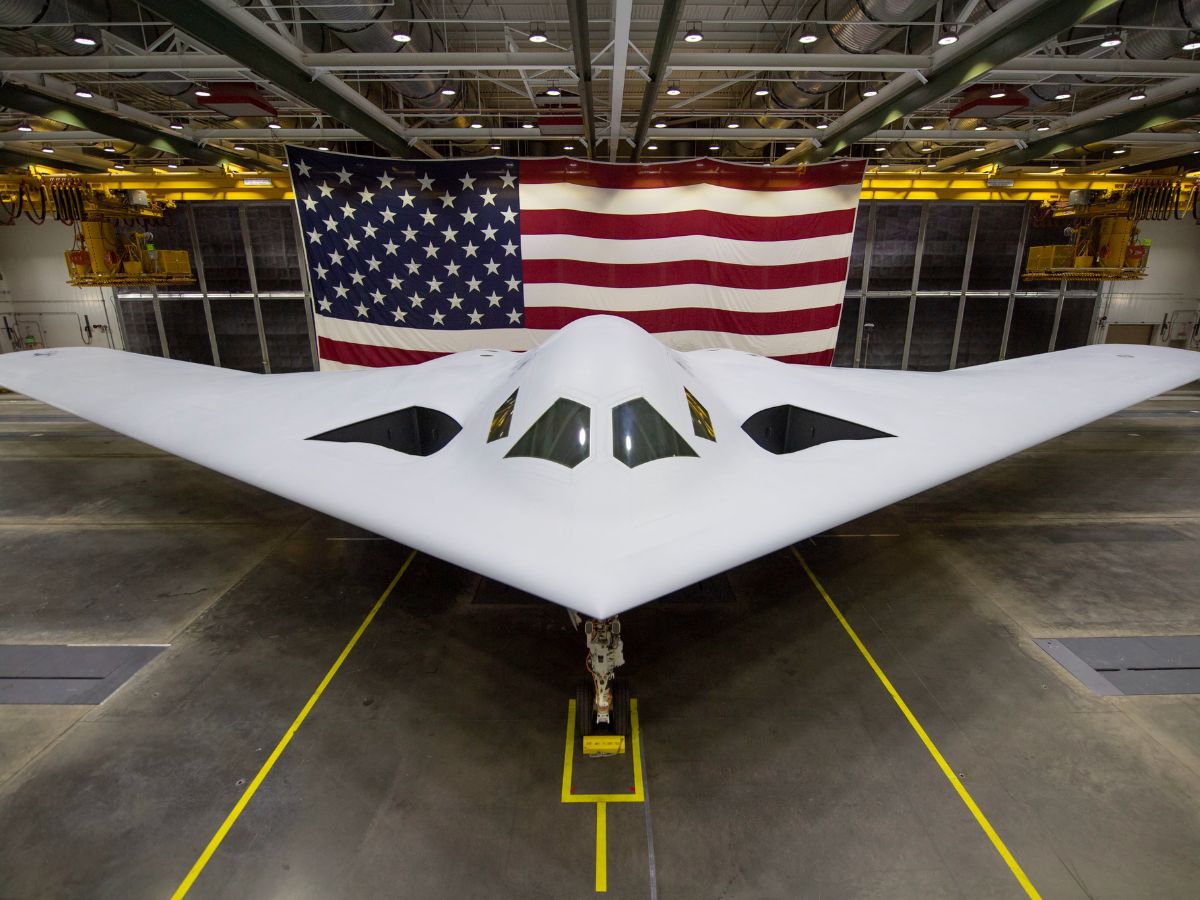
The US Air Force is shifting its bomber fleet strategy with the arrival of the B-21 Raider. The B-2 stealth bomber proved its worth in Operation Midnight Hammer strikes on Iranian nuclear sites. However, its biggest flaw was the small fleet size. Only 19 remain in service today.
The B-21 Raider will replace the B-2 and more than 40 B-1 bombers. This time, the focus is on building a larger, more sustainable force. Air Force leaders now want at least 145 B-21s, far beyond the initial target of 100.
More Planes, More Power
Air Force Maj. Gen. Jason Armagost said the real game-changer is not just sixth-generation stealth, but the numbers. A large fleet can maintain a steady campaign tempo. It also allows diversity in munitions and attack options.
One pre-production Raider is already in flight testing, and another is about to join. Four more are under construction. With enough aircraft, the Air Force can rotate bombers effectively, keep them mission-ready, and sustain operations over long campaigns.
ALSO READ: Russia-India-China Alliance: China-First Trap, Strategic Dead End for India?
Designed for the Long Fight
The B-21 Raider is smaller than the B-2 and carries less ordnance per sortie. However, it compensates with advanced features. It has a deep shelf-like nose extension, unlike the B-2’s beak-shaped design. It carries a very large amount of internal fuel, earning it the nickname “stealthy flying gas can.”
Its airframe is built for high-altitude flight. Its engines are optimised for efficiency over long distances. This gives it an extremely long unrefueled range, enabling missions without immediate tanker support.
The Tanker Challenge
For worldwide flights, the B-21 still need tanker backup despite its enormous fuel capacity. Armagost cautioned that having enough contemporary stealth tankers is essential to the bomber’s efficacy.
Without them, the aircraft’s range advantage could be undercut. The Air Force is yet to fully reveal its plans for such tankers, raising concerns about logistical gaps.
ALSO READ: Trump, Putin May Meet in UAE Next Week — But No Room for Zelensky Yet
Countering China in the Indo-Pacific
The B-21 program’s strategic objective is to deter China in the Indo-Pacific, which goes beyond simply replacing outdated bombers. The US has more choices for strikes in the huge Pacific theatre if its bomber force is larger.
The B-21’s great range enables it to function from sites that are further away from China’s missile range. Deploying dozens of stealth bombers simultaneously might overwhelm defenses and maintain pressure on important targets in a possible confrontation.
The B-2 demonstrated how operations can be altered by stealth bombers. The B-21 seeks to demonstrate that number and quality must be equal in contemporary warfare. The Air Force wants to make sure that it never again has to fight with too few aircraft.