

397
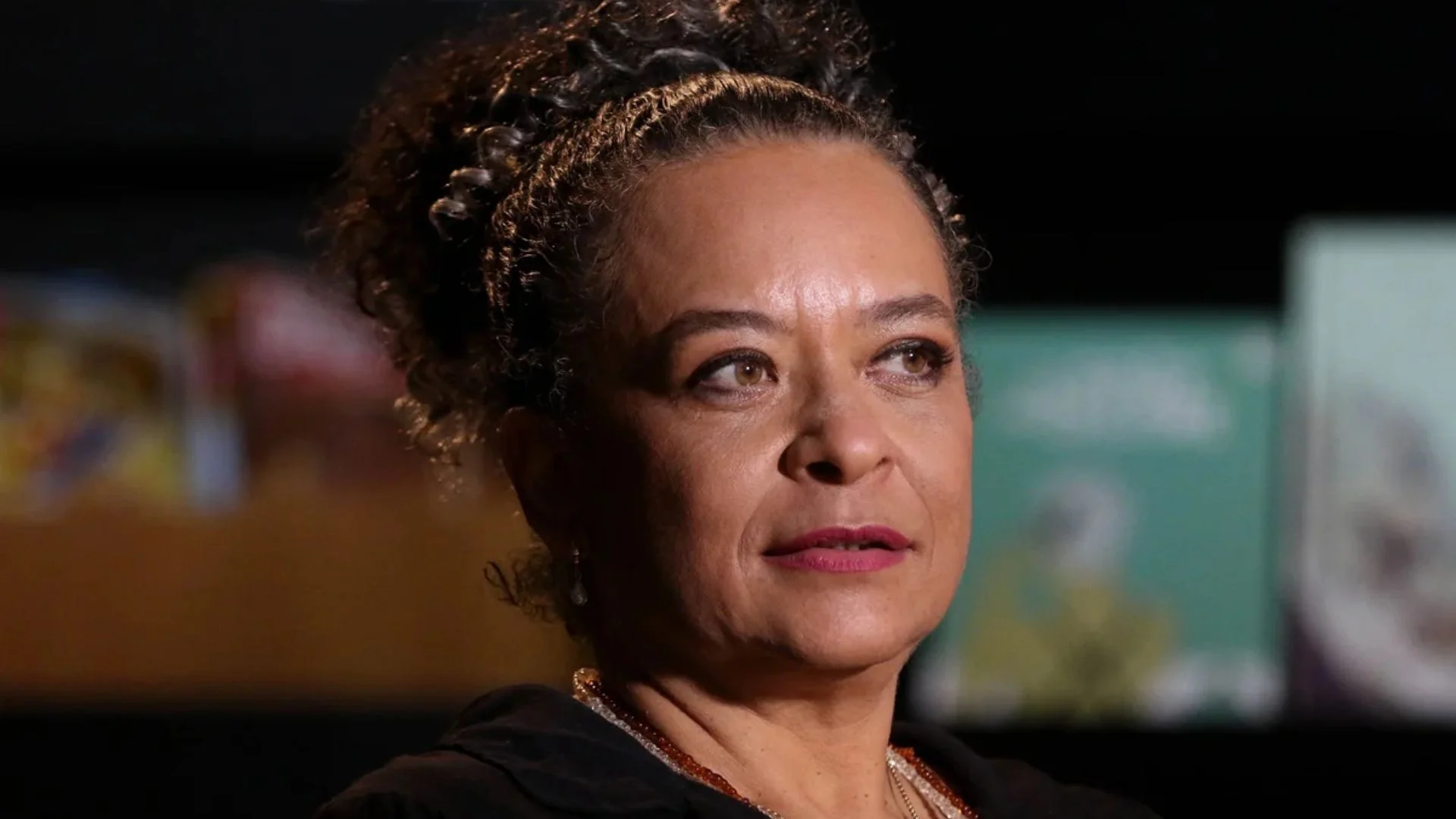
In a historic achievement for the literature of Brazil, celebrated writer Ana Maria Goncalves is the first Black woman to be elected to the Brazilian Academy of Letters (ABL) since its inception in 1897. Her Thursday election has been widely hailed by writers, activists, and President Luiz Inacio Lula da Silva, who commended Goncalves’s work for national culture.
54-year-old Goncalves is feted for her literary work Um defeito de cor (A Colour Defect), a 950-page epic historical novel telling Brazil’s history through the eyes of a Black woman. Although still waiting to be translated into English, the book has sold more than 180,000 copies since it was published in 2006 and was recently voted the best Brazilian literary work of the 21st century by Folha de S.Paulo. Lula, who read the book when he was in prison for 580 days, has often recommended it.
With her election to the ABL a institution committed to the preservation of Portuguese language and Brazilian literature Goncalves becomes part of the select group of “immortals,” the sixth woman and first Black woman among the 40 members. Besides two Black men and one Indigenous author, the academy is still dominated by white men. Goncalves hopes to be an indication of change toward the redress of the academy’s homogeneity.
“I’m the first Black woman, but I can’t be the only,” Goncalves said, pushing for wider representation. “I can’t bear the responsibility of representing the whole population that remains marginalised.”
Poetry and translation writer Stephanie Borges stated Goncalves’s presence in the academy would encourage more Black women to read and write literature. Author Cidinha da Silva, on the other hand, highlighted that the election of Goncalves came through merit and that she is “one of the greatest living writers in Brazil.”
Goncalves was elected by a near-unanimous vote 30 out of 31 members supported her candidacy, while one vote went to Eliane Potiguara, who hoped to become the academy’s first Indigenous woman member. Goncalves’s campaign involved sending personal letters and copies of her book to members, as well as discussing her work directly with some.
She now wants to leverage her role within the ABL to enable it to open its doors to more women, Black, Indigenous, and regional voices. “Now, from the inside, I can help make that happen,” she told me.





