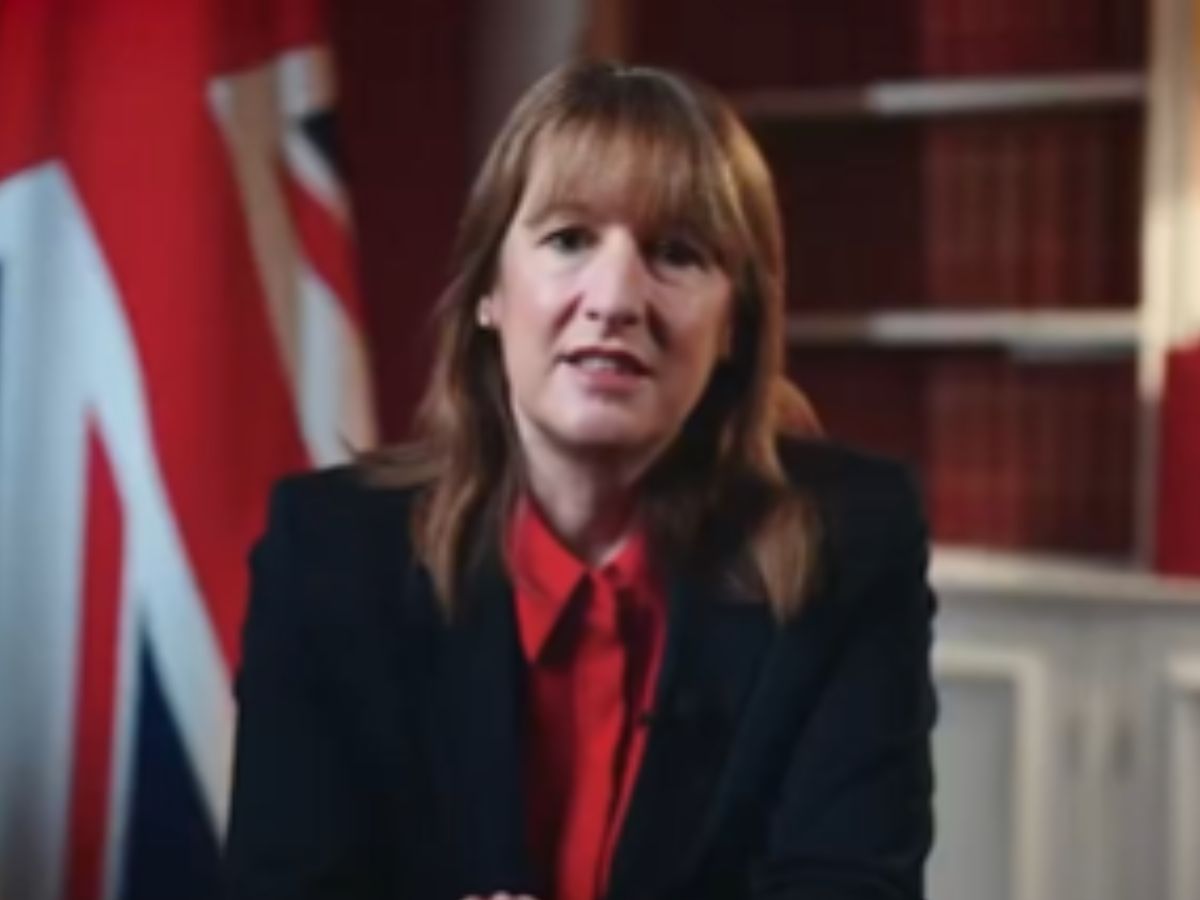
After weeks of uncertainty, Britain’s Labour government still struggling with low public approval is set to present its second budget on Wednesday. The party returned to power in July 2024 with a landslide win after spending 14 years in opposition.
Treasury Chief Rachel Reeves Signals More Tax Increases
Rachel Reeves, the first woman to serve as Chancellor of the Exchequer, will tell Parliament that more tax measures are unavoidable to address the gap in public finances. She had delivered a similar message during her first budget just over a year ago, saying at the time that “that budget… would be the one and only big tax-raising budget” of this parliamentary term, which runs until 2029.
UK Economy Weaker Than Expected
However, Reeves now faces pressure because the British economy, the sixth largest in the world is not performing as she expected. Critics argue that her previous decision to raise taxes on businesses contributed to the slowdown.
Although the economy showed improvement early in the year and briefly became the fastest-growing among G7 nations, the recovery has since faded.
Peter Arnold, chief economist at EY UK, said Reeves must carefully balance economic stability with her plans to boost growth.
Long History of Slow Recovery of UK Economy
Britain has dealt with repeated false economic recoveries since the 2008–09 global financial crisis. Economists estimate that if growth had continued at pre-crisis levels, today’s economy would be almost 25% larger, meaning billions more in tax revenue for the government.
Multiple Global Pressures and the Cost of Brexit
On top of older economic shocks, the UK’s finances have been weighed down by:
-
COVID-19 pandemic costs
-
The Russia-Ukraine conflict
-
Global tariffs imposed by former US President Donald Trump
Britain faces an additional challenge: Brexit, which has removed billions from the economy since 2020.
Heavy Spending Commitments Add to the Financial Strain For UK Economy
Reeves must also deal with several spending promises. These include reversing earlier plans for welfare cuts and possibly scrapping the limit on benefits for children in larger families. She also wants to support households struggling with stubborn inflation. Actions like freezing rail fares or reducing green taxes on energy bills require significant funding.
Reeves tweeted on X showing glimpse of UK Budget 2025, “A Budget that cuts waiting lists, that cuts our debt and borrowing, and cuts the cost of living.”
A Budget that cuts waiting lists, that cuts our debt and borrowing, and cuts the cost of living.
That is my commitment to you. pic.twitter.com/bvqMciKyy5
— Rachel Reeves (@RachelReevesMP) November 26, 2025
UK Government Needs Up to £30 Billion
Economists estimate that Reeves must find £20–30 billion (USD 26–39 billion). A simple rise in income tax heavily debated for weeks now appears unlikely, as it would break Labour’s election promises. Because of this, she is expected to introduce several smaller tax adjustments.
Possible Tax Measures Being Considered in UK Budget 2025
The main change expected is a continued freeze on tax thresholds, meaning more people move into higher tax brackets as wages increase. Other potential proposals include:
-
A mansion tax on expensive homes
-
Changes to the capital gains tax system
-
Reducing generous benefits for private pensions
These smaller changes may help Reeves gather the funds she needs without breaking major commitments.
Also Read: UK Autumn Budget 2025: How Much Does Immigration Cost the UK Per Day?