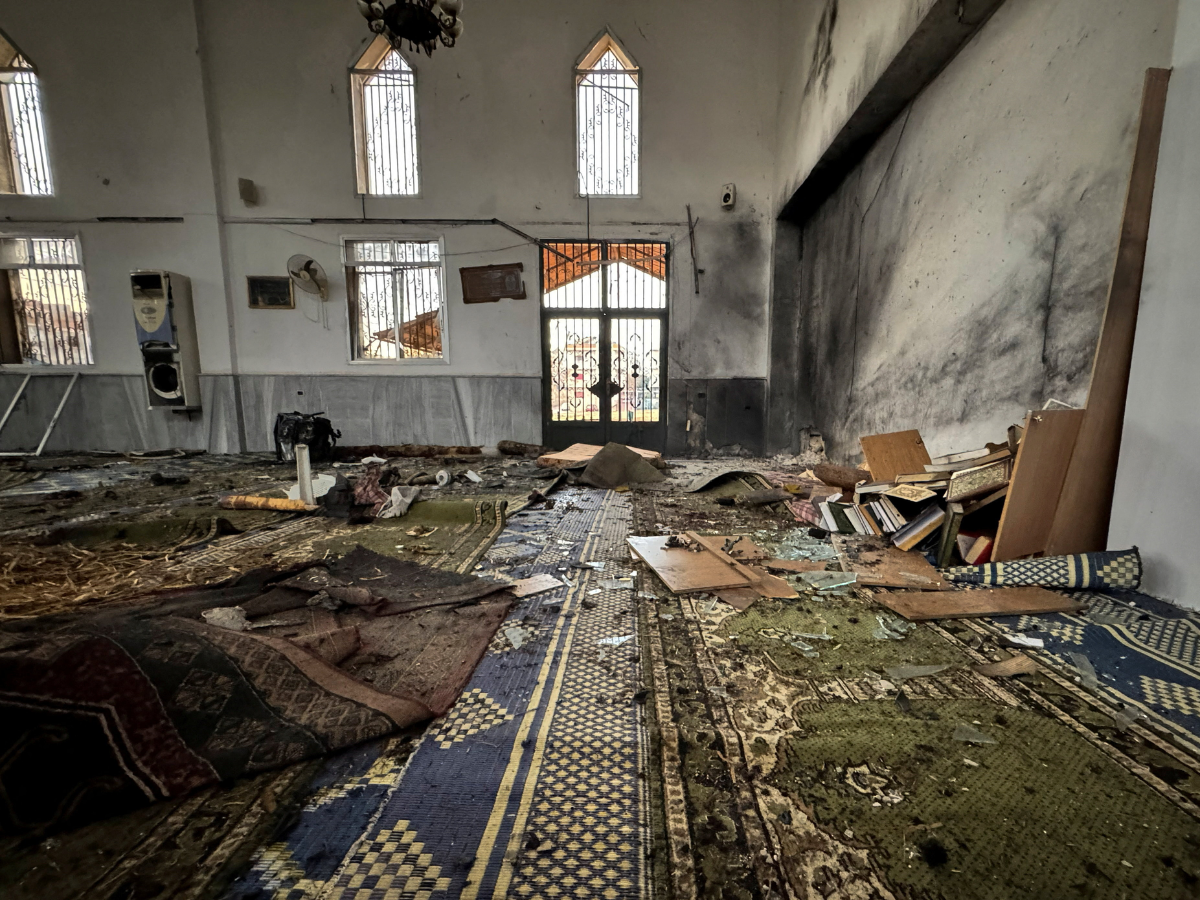
Syria Protests Turn Deadly: In western Syria has once again exposed the country’s fragile sectarian balance. Protests by members of the Alawite community turned deadly on Sunday with at least three people killed amid clashes with security forces. The demonstrations followed a mosque bombing in Homs that reignited deep fears among minorities living under Syria’s new Islamist led authorities.
Community Takes to the Streets
Thousands gathered across coastal provinces and central Syria after a call from Alawite religious leaders to protest the Homs attack, which killed eight worshippers. For many demonstrators, the bombing symbolized a wider pattern of insecurity that has emerged since the fall of Bashar al-Assad, himself an Alawite. Protesters framed their actions as a demand for dignity and political recognition rather than confrontation.
Violence in Latakia & Homs Mosque
Latakia, a historic stronghold of the Alawite community, became the focal point of unrest. Clashes broke out as security forces moved to disperse crowds, with gunfire reported in several areas.
Conflicting accounts followed, with authorities blaming armed remnants of the former regime, while witnesses described chaotic confrontations between protesters and supporters of the new government. Injuries were also reported in Homs, underscoring how quickly tensions spread.
ALSO READ: Flash Floods in Southern Spain: Valencia Region of Spain on Red Alert Amid Fears of Repeat Deadly Flooding
Calls for Autonomy, Not War
Demonstrators carried banners rejecting sectarian rhetoric and calling for decentralised governance. Alawite leaders emphasized that their demands were political, not militant.
Appeals for federalism and regional authority reflected growing concern that centralized rule under Islamist leadership could marginalize minority communities further. Many protesters openly stated they did not seek a return to the Assad era, but rather a future free from fear.
A Pattern of Sectarian Trauma
Sunday’s deaths come against a grim backdrop. Syria has witnessed repeated episodes of sectarian violence since the power transition, including mass killings in coastal regions and deadly clashes in other minority-majority areas. Reports of kidnappings, targeted killings and mass arrests have left minority groups increasingly distrustful of official promises of protection.
An Uncertain Path Forward
Despite assurances from Damascus that all communities will be safeguarded, skepticism remains widespread. The rejection of federalism by the new authorities has only deepened anxiety among minorities who feel politically exposed. Without credible steps to address security, representation and accountability, Syria risks sliding further into cycles of unrest that threaten any hope of lasting stability.
ALSO READ: What Caused Hammonton Crash? Two Helicopters Down at Airport, Officials Investigate
Disclaimer: This article is based on reported events and official statements available at the time and reflects analysis, not independent verification of claims.