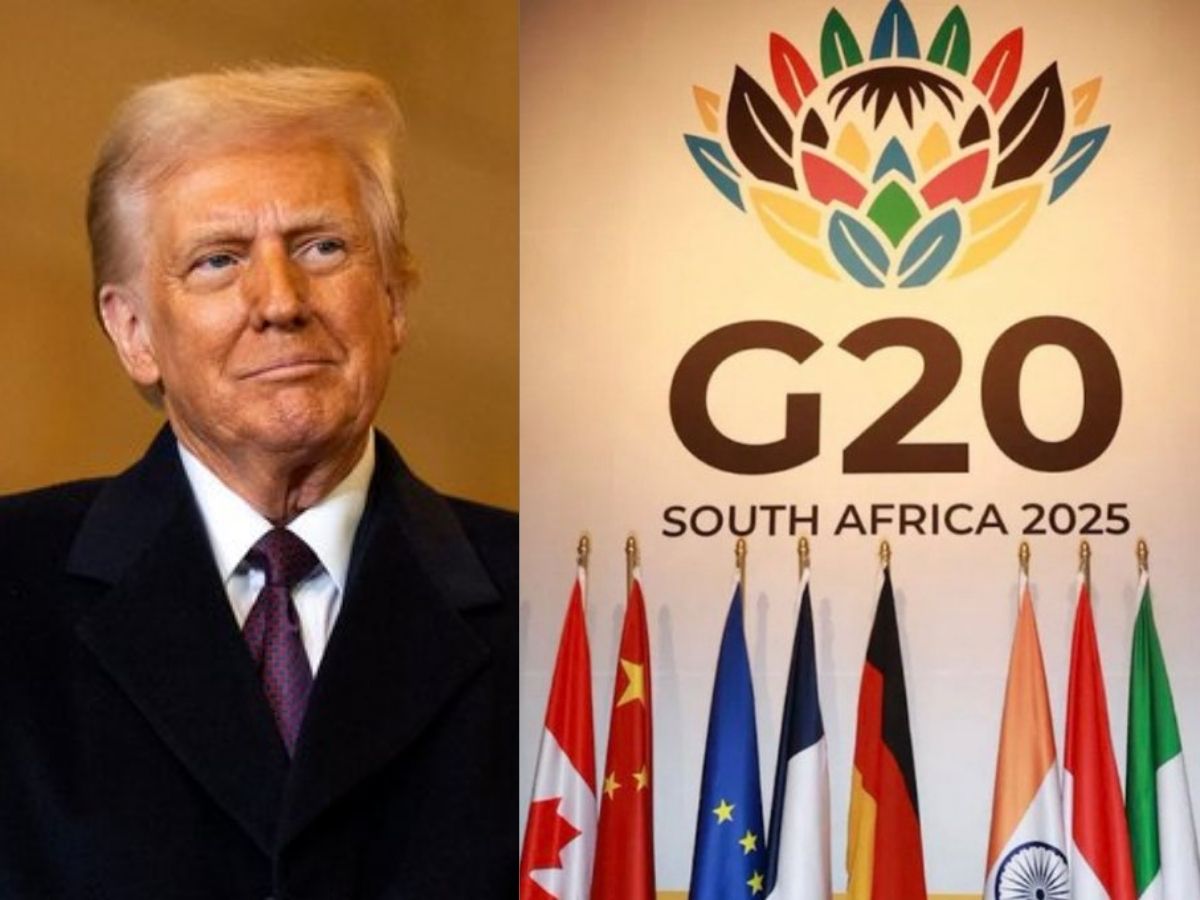
G20 nations adopted South Africa’s final summit declaration with full agreement on Saturday, even though US President Donald Trump boycotted the event. South African President Cyril Ramaphosa, who hosted the G20 Summit in Johannesburg, said it was important for all member countries to endorse the outcome document together.
The declaration was drafted a day before without any input from the United States. A senior White House official criticised the move and called it “shameful.” Still, G20 envoys reached a unanimous agreement on the text.
LIVE | His Excellency Cyril Ramaphosa, President of the Republic of South Africa opens the G20 Leaders’ Summit, Johannesburg, South Africa. #G20SouthAfrica#ReKaofela#BetterAfricaBetterWorld https://t.co/IsmIi0OTuT
— G20 South Africa (@g20org) November 22, 2025
The declaration includes references to climate change, a topic that the Trump administration has repeatedly dismissed. The US has questioned the scientific consensus that human activities are causing global warming.
Cyril Ramaphosa Thanks Members for United Stand
In his opening remarks, President Ramaphosa said, “There’s been overwhelming consensus and agreement that one of the other tasks we should undertake right at the beginning is to … adopt our declaration.”
He thanked all delegations that worked with South Africa “in good faith to produce a worthy G20 outcome document.” He added that nothing should “diminish the value, the stature and the impact of the first African G20 presidency.”
South Africa, the first African nation to host the G20 Summit, pushed hard for a strongly worded and united statement despite the absence of the United States.
What the G20 Declaration Says?
The final declaration focuses on multilateral cooperation and global conflict resolution. It states, “We emphasise the importance of strengthening multilateral cooperation to address existing and emerging risks to the global economy.”
It also highlights the need for peace efforts in conflict-hit regions. “We will work for a just, comprehensive and lasting peace in Sudan, the Democratic Republic of Congo, the occupied Palestinian territory and Ukraine,” the declaration states.
Why Donald Trump Rejected South Africa’s G20 Agenda?
US President Donald Trump boycotted the summit, accusing South Africa of treating white citizens “unfairly and cruelly.” The Trump administration also objected to South Africa’s focus on climate justice, debt relief for developing nations and clean-energy transitions.
Trump rejected the host country’s plan to rally global support for vulnerable nations facing climate disasters and rising debt burdens. The US withdrawal marked one of the most visible splits among G20 nations in recent years.
Africa’s First G20 Presidency Tests Global Unity
The clash between the US and the rest of the G20 comes at a time when global power balances are shifting. South Africa’s presidency symbolised the growing influence of the Global South in shaping global discussions.
By adopting the declaration unanimously, G20 countries signalled strong support for Africa’s leadership role. Experts say the event marks a turning point, as developing nations push for climate justice, debt reform and greater equity in global decision-making — even if major powers like the US push back.