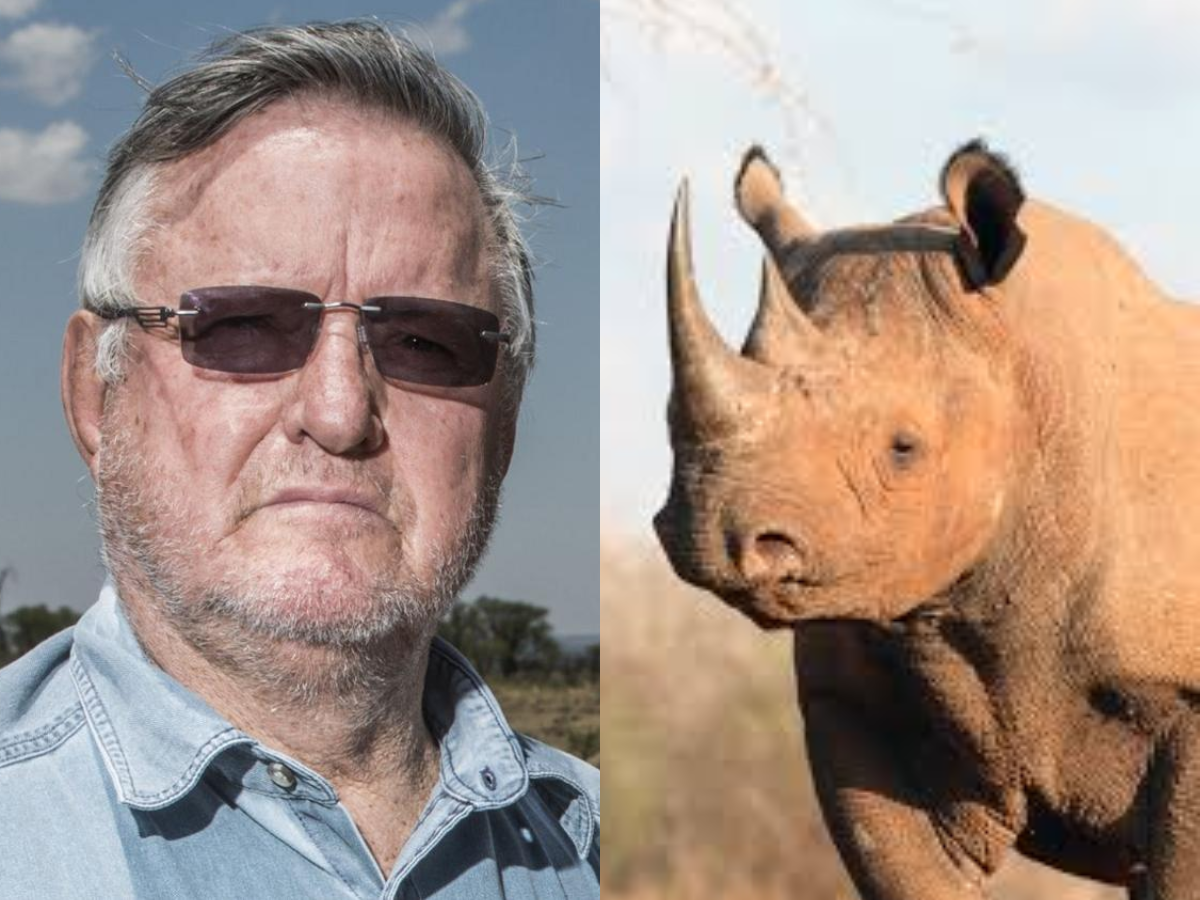
John Hume, a South Africa’s leading conservationists, denied that he smuggled $14 million of rhino horns to South East Asia. The 83-year-old, well-known as the previous owner of the world’s largest rhino breeding farm, came before a Pretoria court on Tuesday with five co-accused.
The syndicate, comprising a lawyer and game reserve manager, is charged with 55 counts involving theft and fraud to money laundering. The state claims the accused were part of an international syndicate that trafficked over 960 rhino horns between 2017 and 2024.
Allegations of Illegal Exports
As per court filings, the suspect acquired domestic permits to sell horns of rhinos within South Africa, but apparently sought to ship them illegally to markets in South East Asia. Rhino horns are in great demand for use in traditional medicine despite global prohibitions on their sale.
South African law permits limited local sales of rhino horn between residents, but export is strictly banned. Officials say the syndicate took advantage of this loophole to smuggle horns across borders under deceptive pretenses.
Hume Declares Innocence
In a press release after the court appearance, Hume denied the allegations in full.
“I have nothing to hide and have cooperated entirely with investigators for years,” he stated. “I reject categorically the allegations leveled against me and uphold that I have never operated outside of the law. I am confident that when the facts are tried in court, I will be vindicated.”
The defendants were released on bail, and no pleas were made in the first hearing.
Legacy of a Controversial Conservationist
Hume founded Platinum Rhino, once home to around 2,000 southern white rhinos, making it the largest private rhino farm in the world. He began breeding rhinos more than two decades ago as part of a conservation strategy to curb poaching.
Nevertheless, he sold the farm in 2023 on the grounds of the cost of maintaining such a large project. Raised on a sheep farm in Zimbabwe, Hume had already established a career in holiday resorts before coming to wildlife conservation in the 1990s.
The case continues to provoke argument in South Africa, a country at the centre of international rhino conservation efforts, regarding how to most effectively weigh protection and commerce.