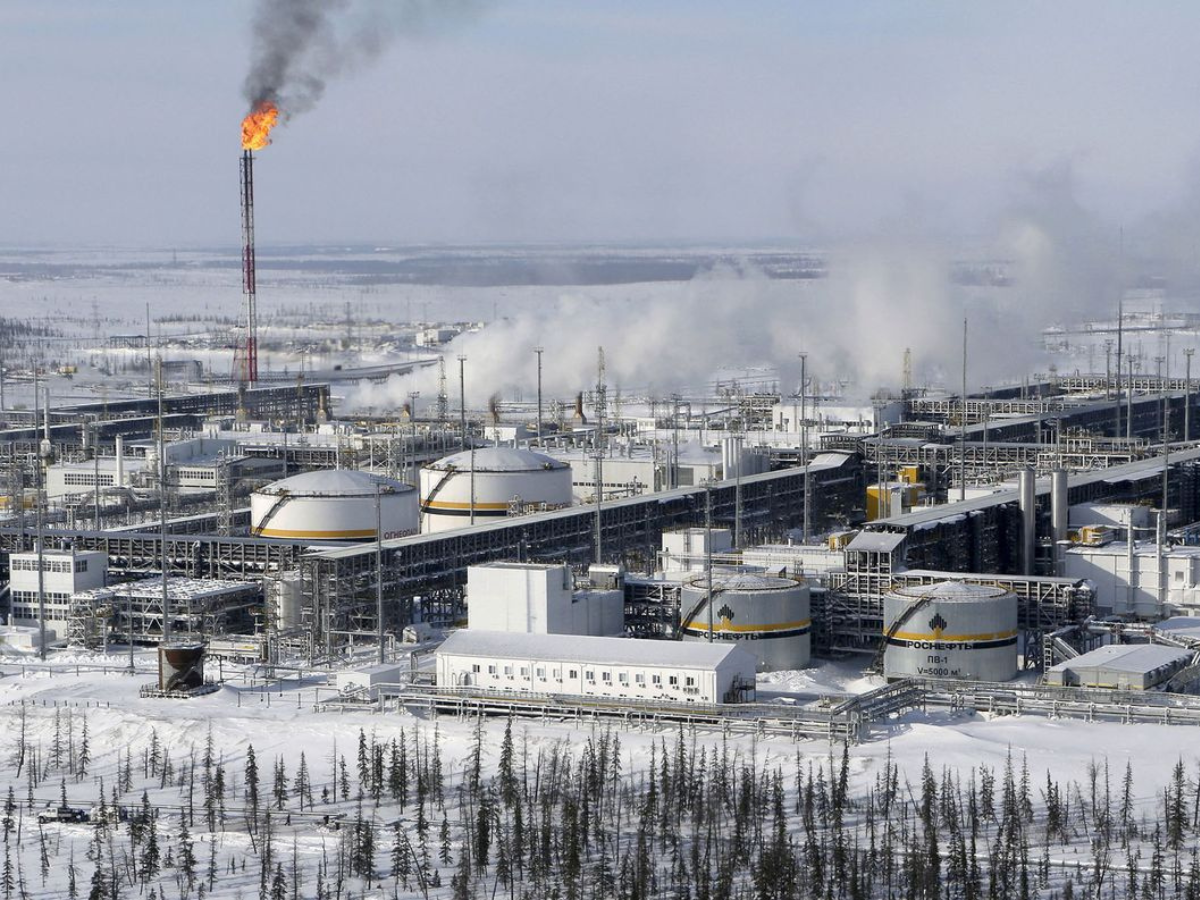
The members of the European Union have taken an important measure for it has finally decided to phase out completely its gas importation from Russia by the end of 2027. This decision made on Monday, is a very significant step for Europe as it strives to cut energy ties with Moscow as a result of the ongoing war against Ukraine.
The announcement is in line with the gradual elimination of both pipeline and liquefied natural gases (LNG). The European Commission approved the proposal in Luxembourg although formal acceptance from the European Parliament is required and the agreement reflects an audacious shift in EU energy policy.
Initiating the European Energy Independence
Denmark’s energy minister Lars Aaagaard who is currently holding the EU presidency in rotation described the agreement as a very significant move towards reducing Europe’s dependence on Russian energy “This is a defining moment for Europe’s energy independence,” Aagaard noted.
“Things have been opening up quite well through previous years, but we still are not entirely free of Russian oil and gas.” This sets the pace for the overall EU strategy of foiling dependence on Russian energy supplies, something of an important goal that became even more pressing with Russia’s invasion of Ukraine. This was supposed to curtail the financial capability of the Kremlin to finance military actions and open more reliable sources of energy to Europe.
ALSO READ: U.S.-Iran Tensions: Khamenei Refuses Trump’s Nuclear Deal, Calls US Tactics ‘Coercive Bullying’
Speeding Up with Pipeline Gas by 2026
According to the conditions contained in the proposal, there will be a ban of Russian pipeline gas across the EU starting January 1, 2026. This scheduling has a sense of increasing urgency towards abandoning energy dependency on Russia. There is a transition phase related to existing contracts in the agreement; short-term agreements are allowed until June 17, 2024, whereas both long-term deals remain until January 1, 2028.
That said, some work still needs to be done because imported Russian gas continues to amount to about one-eighth of the total imports across Europe (over 15 billion euros every year) which is still true especially for LNG shipments.
Obstacles & Opposition from Hungary and Slovakia
There was broad consensus on the proposal, this was not the case in all EU nations and the most notable dissenters were Hungary and Slovakia, because both countries have much stronger energy ties to Russia than the average country within the EU.
“The destructive effect of this regulation for Hungary will be that the secure supply of energy in Hungary is going to be killed,” Szijjarto lamented. Hungary has had to rely on Russian gas because of its geographic constraints and will thus find it difficult to completely sever ties with Moscow. Being a landlocked area, Hungary has a lot of unique issues to deal with in securing alternative energy supplies.
ALSO READ: King Charles III’s Net Worth Surges to £640M: What’s Behind the Royal Fortune
What is a Future Vision: Need for Consensus
The new sanctions package including a proposal to end LNG imports from Russia by January 2027 will require unanimous approval from all 27 EU member states. The various interests present within the bloc make this consensus very precarious on energy policy while Hungary and Slovakia may dig in their heels, the trend across Europe is clearer the continent is gradually moving away from energy dependency on Russia.
As member states of the EU work towards alternative sources like other ports supplying gas liquefied natural gas (LNG) and initiatives in renewable energy, coming out of Russian gas would be a case defining Europe’s energy future.
A Defining Moment in EU Energy Strategy
The phasing out of imports from Russia by 2027 is moving the EU toward a significant change in its energy profile. Challenges remain, from needing unanimous support to logistics of feeding the EU. The resolve of the Union is clear by reducing reliance on energy from Russia, the bloc aims to threefold enhance its geopolitical standing as well as secure its energy safety in an increasingly uncertain global environment.
ALSO READ: Jared Kushner: Talks Gaza’s Peace Depends on Stable Governance, Not Just Ceasefire
Disclaimer: The views expressed in this article reflect the latest EU developments and may evolve based on ongoing political discussions and agreements.