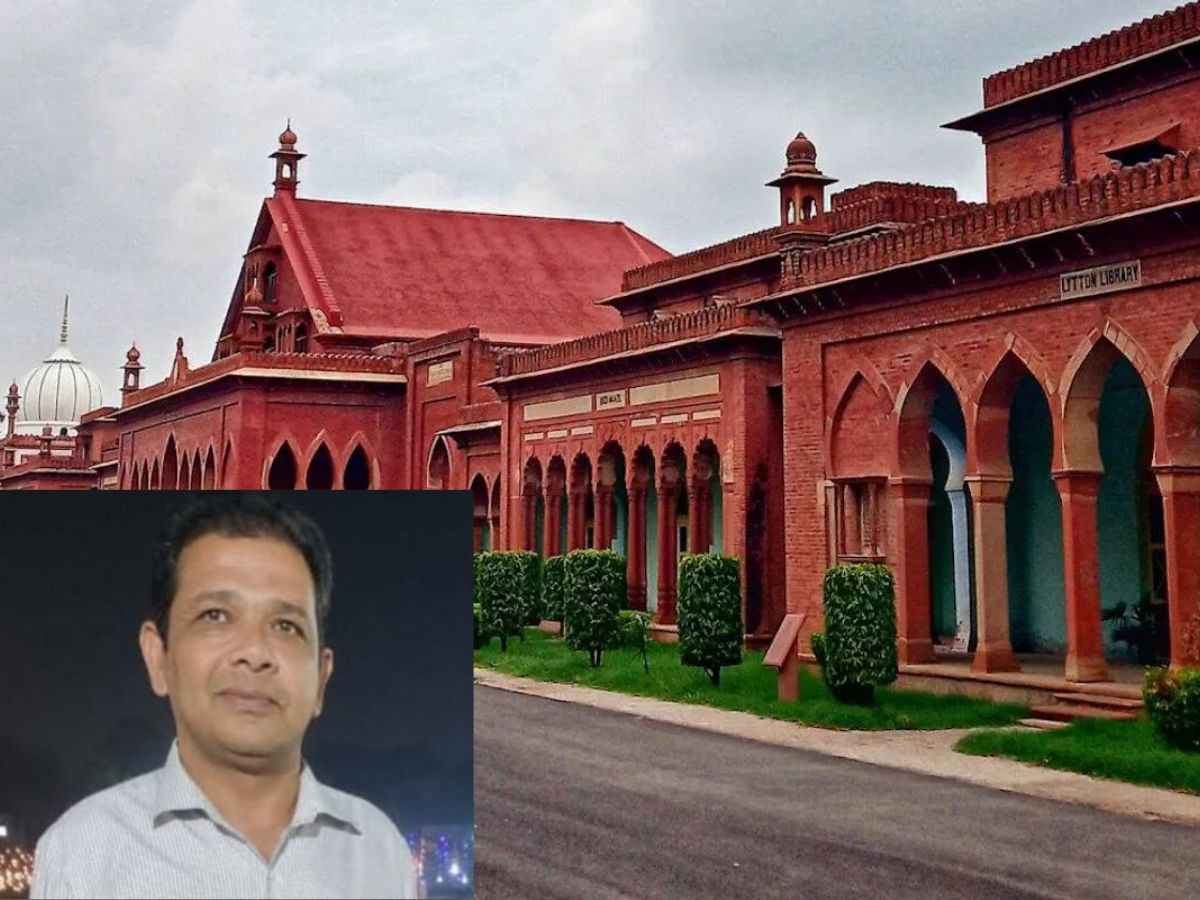
Widespread turmoil has once again hit Pakistan occupied Kashmir as what started off in certain campuses over tuition hike issues has now snowballed into a political crisis. The University of Azad Jammu and Kashmir in Muzaffarabad became the epicenter when students protested fee increases and irregularities in the newly introduced digital grading system within weeks.
The protest of the local student community had turned into a symbol of public discontent on larger issues echoing the Gen Z uprisings recently witnessed in Bangladesh, Nepal and Sri Lanka.
After food and electricity, now even education has become unaffordable in #POK.
Peaceful protests by students of POK University against the unjust fee hikes and other forms of discrimination have been met with state violence today.
A stark symbol of state oppression!@srdmk01 pic.twitter.com/lPDbeEMYrs
— Yusra Iqbal (@YusraIqbal_) November 4, 2025
Escalating Tensions: From Protest to Violence
Initially peaceful, the demonstrations turned chaotic after shots were reportedly fired at students, injuring at least one protester. Videos circulating online captured burning tyres and crowds chanting slogans against the Shehbaz Sharif government and the Pakistani military. Students accused authorities of ignoring collapsed infrastructure, unreliable transport and administrative neglect. The unrest forced the suspension of classes at the UAJK’s Chella campus, while a heavy police presence added to tensions rather than attempting to diffuse them.
ALSO READ: Imran Khan Says Pakistan Is Now Under ‘Asim Law,’ Calls Munir ‘Mentally Unstable Dictator’
While the authorities denied having imposed a 6% fee hike and insisted that only a 10% routine increase was applied, students said the additional Rs 1,500 rechecking fee per subject placed unbearable financial pressure on already struggling families. The unrest is now more than just about money and it has become a rebellion against systemic mismanagement.
Beyond the Campus: A Larger Crisis of Governance
The student protests have resurrected older grievances in PoK, where residents have long complained of corruption, power shortages and stalled development. Protests led by the Joint Awami Action Committee, JKJAAC earlier this year, over rising taxes and electricity rates had already forced the government into a rare retreat. Now, with JKJAAC joining hands with students, the anger has gained a much wider reach.
ALSO READ: What Is Pakistan’s 27th Constitutional Amendment? Impact on Army Chief Asim Munir & Power Structure
Islamabad’s Dilemma: Fear of a Youth-Led Uprising
The nervousness in Islamabad is palpable. The establishment has seen how youth-led movements in South Asia can quickly spin out of control into national political upheavals. The familiar pattern local grievances snowballing into anti-state dissent is playing itself out again. Anti-army slogans in PoK are particularly scary for Pakistan because of Islamabad’s long military grip over the region.
The government, in response, has banned student unions and political activity across campuses, drawing sharp criticism both domestically and from India, labeling it proof of Pakistan’s shrinking democratic space in the occupied territory. More than 200 arrests have been reported, along with mounting accusations of police brutality.
These protests in PoK started off as a student revolt, but they have come to represent something much bigger a generation demanding accountability, dignity and freedom after years of systemic neglect.
ALSO READ: Ishaq Dar’s “Cup of Tea” Remark Sparks New Rift Over Pakistan-Afghanistan Ties
Disclaimer: This article is based on verified reports and credible sources. It does not endorse any political view and aims to provide factual analysis.