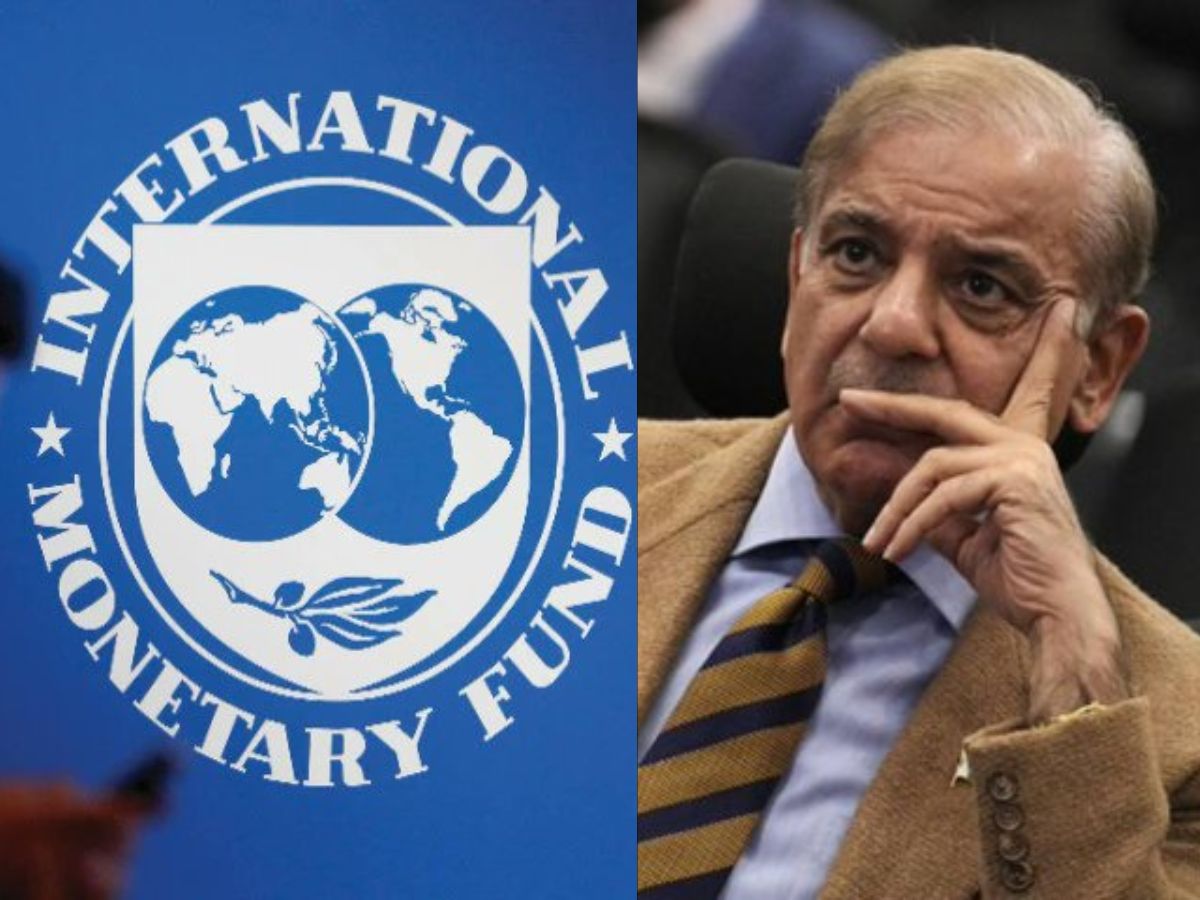
The International Monetary Fund (IMF) has added 11 fresh conditions to Pakistan’s ongoing $7 billion bailout plan. These new requirements aim to cut corruption, improve government transparency, and reduce costly economic leakages. The IMF’s latest directives come a day after the fund released an additional $1.2 billion tranche of the loan to support Pakistan’s climate resilience and economic stability.
With these fresh steps, the IMF’s total number of conditions has risen to 64 since 2024. The added measures reflect the lender’s growing focus on governance, efficient public spending, and fair market practices.
What Are the IMF’s New Conditions?
The IMF wants Pakistan to strengthen its public institutions and curb corruption in key sectors. The 11 new conditions include:
- Transparency of assets: Pakistan must publish the asset details of senior bureaucrats on government websites by December 2026.
- Civil servant accountability: Banks should be granted access to these asset declarations to cross-check inconsistencies.
- Corruption action plans: The government must prepare and publish action plans to curb corruption in 10 critical departments.
- Provincial anti-corruption powers: Provincial anti-corruption units will receive more authority to investigate financial crimes.
These steps aim to expose corrupt practices and make government operations more open and efficient.
Reducing Remittance Costs
Overseas remittances are a major source of foreign income for Pakistan. However, high remittance costs have become a concern for the IMF. The fund has asked Pakistan to:
- Conduct a detailed study of remittance costs.
- Identify bottlenecks in cross-border money transfers.
- Submit an action plan by May next year to reduce these fees.
- Reducing remittance costs could help Pakistan keep more funds within the economy and support households that depend on money sent from abroad.
Addressing Elite Capture in the Sugar Sector
The IMF has also focused on the sugar industry in Pakistan. Elite capture — where a few powerful players dominate agriculture markets — has been a long-standing issue. As part of the new conditions, Islamabad must:
- Adopt a national policy for sugar market liberalisation.
- Set guidelines for licensing, pricing, and import/export permits.
- Complete this policy by June 2026.
The aim is to open the sugar market, improve competition, and protect farmers and consumers from unfair practices.
IMF Bailout Context
Pakistan is navigating one of its largest financial rescue programmes, spanning 39 months and worth about $7 billion. So far, the IMF has released around $3.3 billion in stages. The goal of the programme is to stabilise Pakistan’s economy, control inflation, and support long-term reforms, including climate resilience efforts.
The IMF’s focus on systemic reforms highlights the importance it places on good governance, economic efficiency, and sound fiscal policies.
What do These Conditions Mean for Pakistan?
If Pakistan implements the IMF’s conditions:
- It could gain greater fiscal discipline and reduce economic waste.
- Increased transparency and accountability could improve public trust.
- Lower remittance costs may ease financial burdens on millions of families.
- Liberalised markets, like sugar, might benefit consumers and farmers.
However, the government will face political and administrative challenges in meeting these targets within tight deadlines.
What Happens Next for Pakistan Under IMF Oversight?
Pakistan must act quickly to meet the IMF’s requirements. The country faces tight timelines for publishing plans and reform strategies. Analysts say that adherence to these conditions will be critical for maintaining future disbursements and keeping the bailout programme on track.