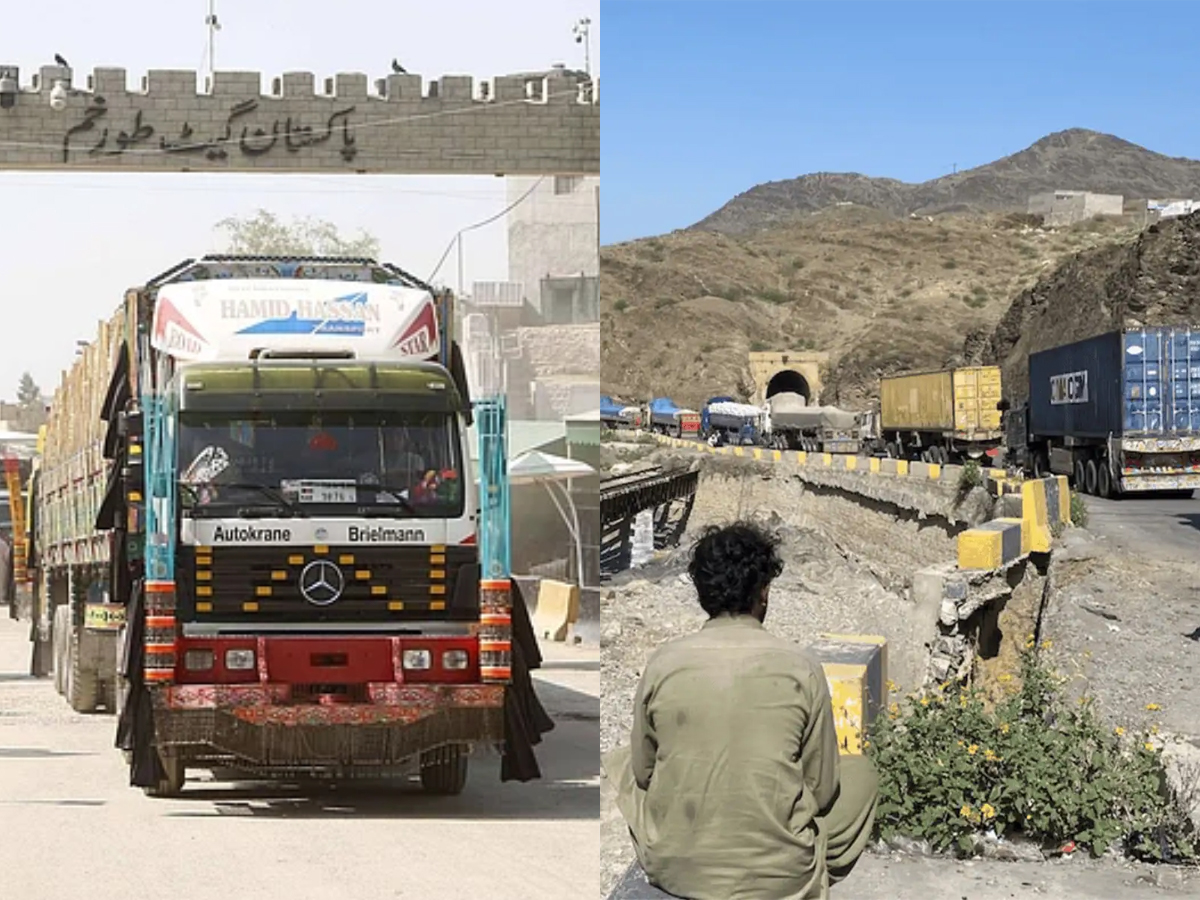
Pakistan’s cement industry is facing a sharp downturn after exports to Afghanistan were disrupted. The Torkham border, a key trade link between Pakistan and Kabul, has been closed for over two months due to ongoing security issues and cross-border tensions. With the border shut since mid-October 2025, cement shipments have declined, leaving producers with excess stock and shrinking markets.
Producers in northern Pakistan have been tough hit. The All Pakistan Cement Manufacturers Association (APCMA) reported that exports from mills in the north were nearly zero in November 2025. Even southern mills saw exports fall by 7.08%, down to 590,021 tonnes compared with 634,993 tonnes in November 2024.
Why the Border Closure Matters for Pakistani Cement?
The Torkham border closure is part of broader tensions between Pakistan and Afghanistan, linked to rising cross-border infiltration and disagreements over security. Pakistan has pressed Kabul to take stronger action against militant movements. In response, both countries closed the border to trade and movement, freezing cement exports along with many other goods.
This is the cement that Pakistani traders wanted to bring into Afghanistan, but since the Torkham gate is closed, they are now taking it back to Peshawar.
It is said that the price of cement has also dropped significantly in Pakistan. pic.twitter.com/ISAktGX2uY— برهان الدین | Burhan uddin (@burhan_uddin_0) December 9, 2025
Talks mediated by Qatar, Turkey, and Saudi Arabia have so far failed to reopen the crossing. With this critical route blocked, cement traders in Pakistan find themselves unable to reach a major traditional export destination.
Pakistani Cement Industry Losing a Key Market
In past years, Afghanistan was a major buyer of Pakistani cement. After relations with India deteriorated in 2019 under then-Prime Minister Imran Khan, Pakistan lost its entire market in India. India had once been a large customer for Pakistani cement due to its proximity and similar production quality.
With Afghanistan now closed off, cement producers cannot easily shift their excess stock to nearby countries. Pakistan’s own large limestone and gypsum reserves support a booming domestic cement industry, but without export outlets, mills risk lowering production and revenue.
Fact Check: Has Pakistan’s Cement Export to Afghanistan Completely Stopped Due to Border Closure?
Several claims are circulating that Pakistan’s cement exports to Afghanistan have halted for more than two months due to rising tensions and border closures. It also says Pakistan’s cement industry is suffering because India no longer imports Pakistani cement.
We verify these claims below from social media and several media reports.
Claim 1: Pakistani Cement exports to Afghanistan have stopped for over two months due to conflict.
Fact Check: TRUE
Pakistan and Afghanistan mutually closed the Torkham border, a key trade route, due to security issues and cross-border militant activity. The shutdown began in mid-October 2025 and has continued for over two months.
This led to cement exports from northern Pakistan dropping to almost zero in November 2025, according to industry data. Southern exports also fell by 7.08%, declining from 634,993 tonnes (Nov 2024) to 590,021 tonnes (Nov 2025).
Thus, exports to Afghanistan, once a major buyer, have indeed come to a standstill.
Claim 2: Talks mediated by Qatar, Turkey, and Saudi Arabia have failed to reopen the border.
Fact Check: TRUE
Diplomatic efforts by Qatar, Turkey, and Saudi Arabia were initiated to ease tensions. However, no breakthrough has been achieved yet. Pakistan continues to demand action from Kabul to stop terrorist infiltration.
The border remains closed, keeping trade halted.
Claim 3: Pakistan has no big market left because India no longer imports cement from Pakistan.
Fact Check: TRUE
India stopped importing cement from Pakistan after relations broke down in 2019, following policy decisions under then-Prime Minister Imran Khan. Before that, India was a large customer due to its proximity and low transport costs.
With India out and Afghanistan now blocked, Pakistan’s two largest regional markets are unavailable.
Claim 4: Pakistan cannot sell cement to Iran or China because they produce enough on their own.
Fact Check: TRUE
Iran has abundant limestone and gypsum, making it self-sufficient in cement production. China is one of the world’s largest cement exporters.
Traders say these countries have no market space for Pakistani cement.
Claim 5: Pakistan’s cement producers are now stuck with excess stock and are showing sacks of cement, saying they have no buyers.
Fact Check: PARTLY TRUE
Videos and trader reports show some producers expressing concern about unsold stock, especially in northern Pakistan. However, not all producers are at risk of shutting down. The domestic market continues to absorb some supply, but the export halt has created significant pressure on inventories and pricing.
Impact on Domestic Markets and Prices
The export shutdown is already shaking Pakistan’s internal market. Local prices may soften with excess production and no foreign buyers. Traders say some mills might scale back output to avoid losses. Smaller firms that relied on export revenues could face financial stress, and some may delay expansion plans.
Domestic construction demand can absorb only so much cement. If mills continue to pile up inventory, they may cut prices to sell locally. This could lead to a margin squeeze for producers.
What Producers Are Asking For
Industry leaders are urging the government to find alternative trade routes or reopen the Torkham border soon. They also want new trade agreements with countries that lack strong cement industries. Some suggest priority export negotiations with African nations or parts of Southeast Asia.
Others call for logistical support and incentives to make Pakistani cement more competitive abroad.