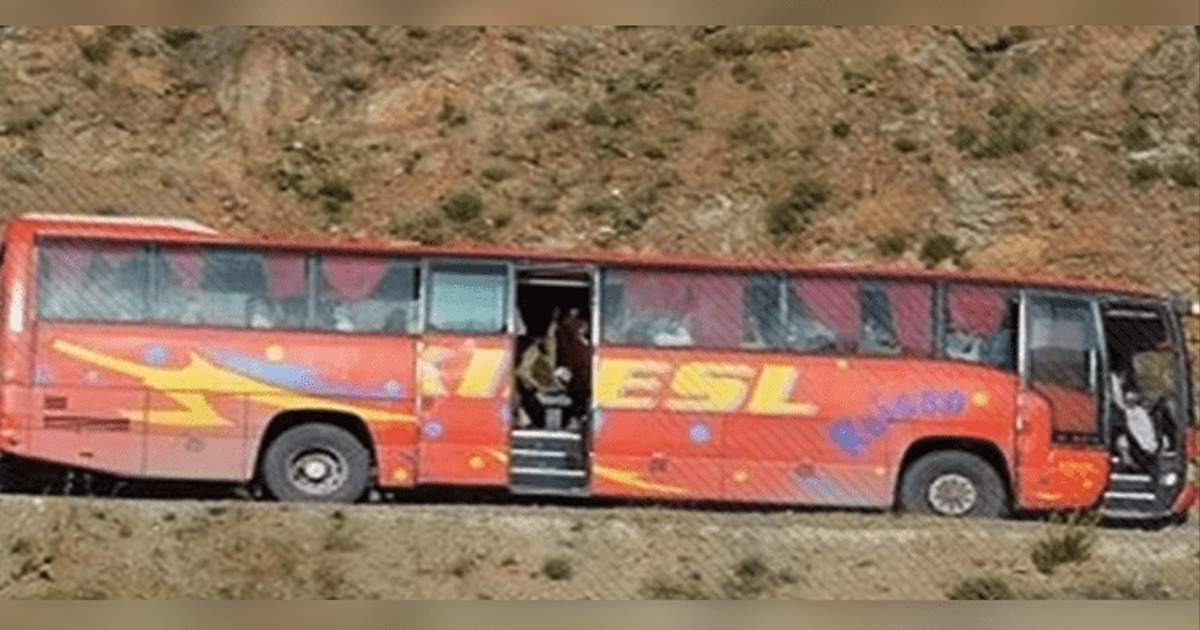
In an attack on Thursday night, gunmen ambushed several buses in Balochistan, kidnapped travelers, and then shot nine civilians dead, officials confirmed on Friday. The bodies of the victims, which were covered in bullet wounds, were found in the mountains late Thursday night during a search operation, a Pakistani official, Naveed Alam, said.
Shahid Rind, the provincial government’s spokesman, said the gunmen pulled passengers off several buses traveling through the volatile south-western province. No one has claimed responsibility for the massacre yet.
Militants Tend to Target Punjab Passengers
Security officials believe Baloch separatist groups are also responsible for the killings, similar to earlier attacks where passengers were killed based on their ethnic background, especially those from eastern Punjab. The Baloch Liberation Army (BLA), a very influential insurgent group active in the Pakistan-Afghanistan-Iran border region, has been involved in such attacks in the past.
Baloch rebels complain that Pakistan is draining Balochistan’s natural resources without benefiting its people. They accuse the government of diverting the province’s wealth to serve Punjab, aggravating a growing resentment that often breaks out in violence.
Apart from militant violence, Baloch civilians remain victims of repression by the Pakistani establishment, activists assert. During a May interview with Firstpost, one member of the Baloch Yakjehti Committee (BYC) alleged that ordinary citizens are the worst sufferers in the battle between the state and the insurgents.
The ISI has used every possible tactic to target Baloch activists… These are: fabricating charges, harassment of families, and the abuse of anti-terror laws,” the activist added.
On March 29, a suicide bomber struck a BNP rally organised by Sardar Akhtar Mengal in Mastung, in protest of the arrest of BYC organiser Dr Mahrang Baloch. Although there were no casualties, the Khorasan Daesh terror group is said to have orchestrated the attack.
Activists allege the Pakistani regime is resorting to legal persecution, propaganda, and fear to stifle Baloch identity and political opposition, even as violence by militants and the state increasingly intensifies.