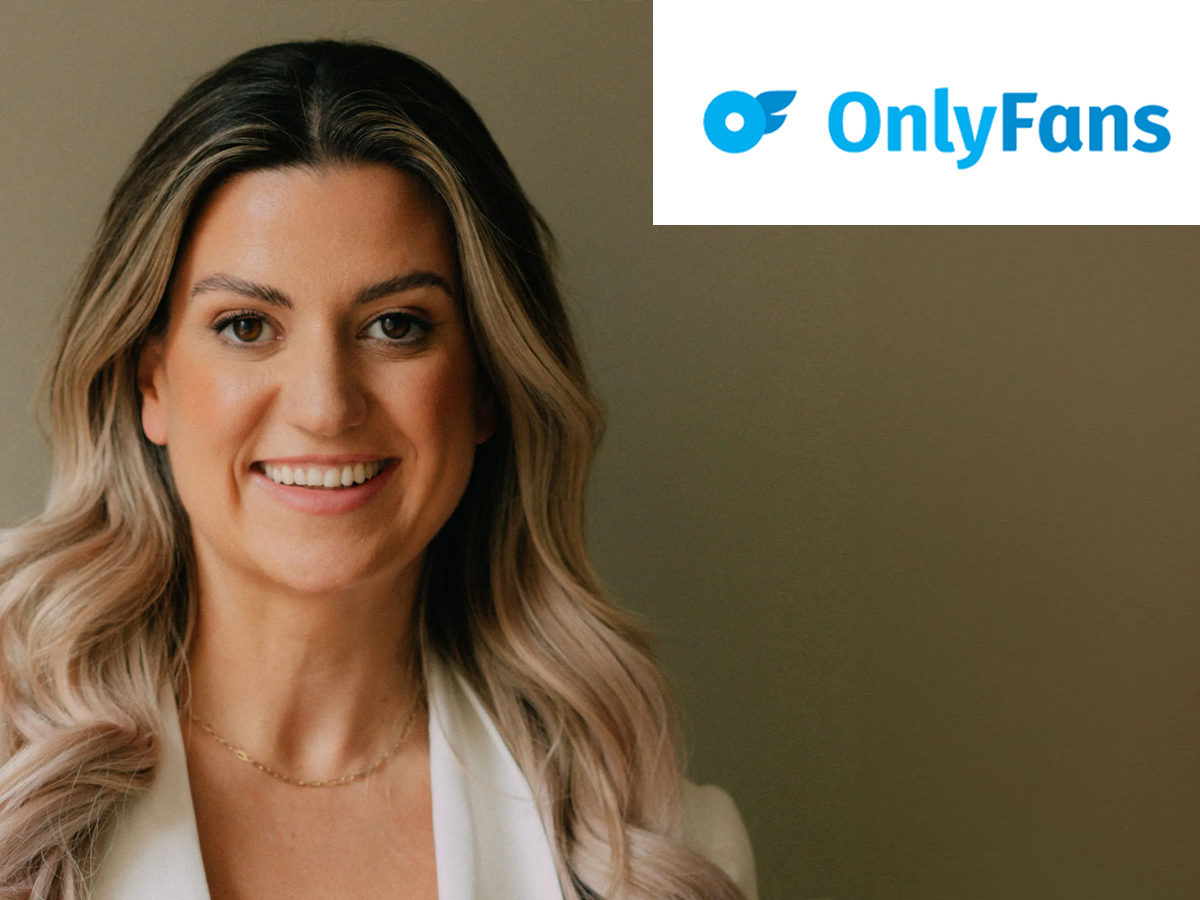
Despite boasting more than 400 million users worldwide and nearly 4 million content creators, OnlyFans operates with only 42 full-time staff, its CEO Keily Blair revealed during a recent interview at the Web Summit in Lisbon. The startling ratio — millions served by just a few dozen employees, underlines the company’s minimalist corporate structure and its emphasis on lean operations over large teams.
According to Blair, this slim workforce is not a result of oversight but a deliberate strategy. She argued that OnlyFans avoids the pitfalls of traditional corporate hierarchy by eliminating middle-management layers. Instead, the company hires a mix of “incredibly senior talent” and “hungry junior talent,” judging success not by team size but by results. “You can be a team of one and deliver exceptional results, and that will be so valued,” she said.
Why OnlyFans Chooses a Flat Management Structure
Blair’s philosophy contrasts sharply with conventional corporate models. In her view, middle management often dilutes accountability and creativity. By removing that layer, OnlyFans aims to remain agile, decisive, and performance-driven. The company values individual contributors over managers, believing that clear responsibility and direct output matter more than titles or numbers.
This structure also aligns with broader trends in tech: many firms are abandoning hierarchical layers in favour of flat, cross-functional teams. OnlyFans’ approach reflects a shift towards output-based evaluation rather than traditional reporting lines.
Business Scale: Massive Reach, Minimal Staff
Running a global content platform with a small internal team demands heavy reliance on automation, outsourcing, and robust infrastructure. For OnlyFans, this has meant building backend systems that can handle millions of users while keeping internal costs low.
The model appears to be working: with reported annual revenues of approximately US $7 billion, the return on this lean staffing strategy speaks volumes. One industry observer on the podcast even described the company’s output as “very powerful,” given the size of its workforce, a statement with which Blair agreed, calling her team “a pretty efficient bunch.”
Implications for the Creator Economy and Tech Industry
OnlyFans’ success with minimal staff presents an interesting blueprint for other companies in the creator-economy space. As platforms scale globally, they might not need proportional growth in internal headcount if they rely on automation, cloud infrastructure, and a mix of outsourced services, all coordinated by a small, capable core team.
The model also suggests lower overheads and potentially greater flexibility to adapt to regulatory changes, user demands, and market shifts, as fewer decision-makers can mean faster response times.
Questions and Challenges: What Lies Ahead?
Running a massive platform with very few full-time staff raises valid questions:
- Can such a small team handle content moderation, customer support, regulatory compliance, and security globally?
- Will automation and outsourcing scale without compromising quality, safety, and user trust?
- What happens if the platform faces a major crisis, technical, legal, or reputational, and only a small core team needs to respond?
Critics argue that relying heavily on automation and external contractors can lead to inconsistency. Only time will tell whether the lean-staff strategy remains sustainable as OnlyFans continues to grow.