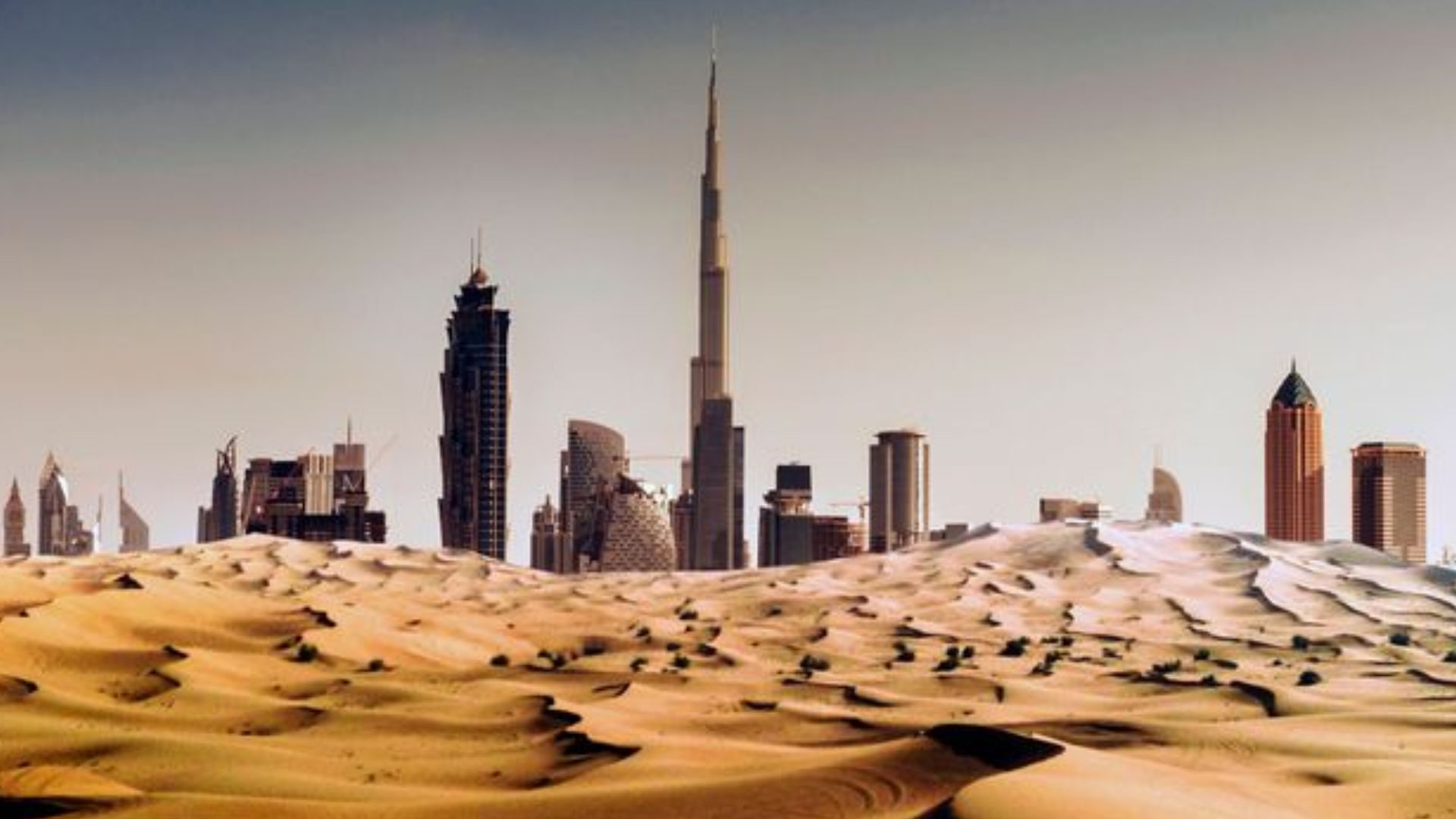
It will be surprising to know that Saudi Arabia famous for its expansive deserts, imports sand. But though it is surrounded by sand dunes, the desert country imports sand from nations such as Australia, China, and Belgium.
Why? Because sand naturally occurring in deserts is not suitable for construction.
This surprising import phenomenon is just one of Saudi Arabia’s attempts to make its ambitious Vision 2030 vision a reality, which has spurred a building boom. Developments like NEOM, The Red Sea Project, and Qiddiya demand high-grade sand that can’t be found domestically.
Why Desert Sand Falls Short
While deserts are sandy, the sand found there has been worn by years of wind. This would make the grains too rounded and smooth, thus not sticking well with cement and water when used in construction. Rough and angular grains, usually from riverbeds, lakes, or seabeds, are used in building since they stick well in concrete mixes.
Australia’s Growing Role in the Global Sand Market
Australia has become one of the most important suppliers of construction-grade sand. In 2023, the nation sold $273 million of sand, earning it the second-largest exporter of sand globally, as reported by OEC World. During the same year, Saudi Arabia spent $140,000 importing Australian sand to aid in its mega infrastructure projects.
Not Just Saudi Arabia: A Widening Trend
Saudi Arabia is not an exception. Other nations such as the United Arab Emirates and Qatar also import sand to address their infrastructure needs.
Dubai, Abu Dhabi, and other cities are quickly growing and need constant sources of sand for skyscrapers and roads. In a 2024 United Nations Environment Programme (UNEP) report, it was mentioned that urbanization in the Gulf is “driving global demand for sand.”
Global Sand Crisis in the Making
The case points to a greater, more disturbing reality: the world is in short supply of sand suitable for use in construction. The UNEP estimates that the planet consumes approximately 50 billion tonnes of sand every year, one of the most mined solid resources on the planet.
But much of it cannot be used for construction. The UNEP has warned of a ‘sand crisis’, arguing that widespread, uncontrolled sand mining is causing ‘riverbed erosion, habitat destruction, and biodiversity collapse’.
Uncovering Sustainable Alternatives
To meet this impending crisis, environmentally friendly alternatives are being investigated by some countries, even Saudi Arabia. Manufactured sand (M-sand), produced by breaking down rocks into small particles, is becoming increasingly popular as a replacement for natural sand.
Further, attempts to recycle construction waste into usable building material are under way. Yet the widespread adoption of these alternatives is still in the nascent stages and might take time to become popular.