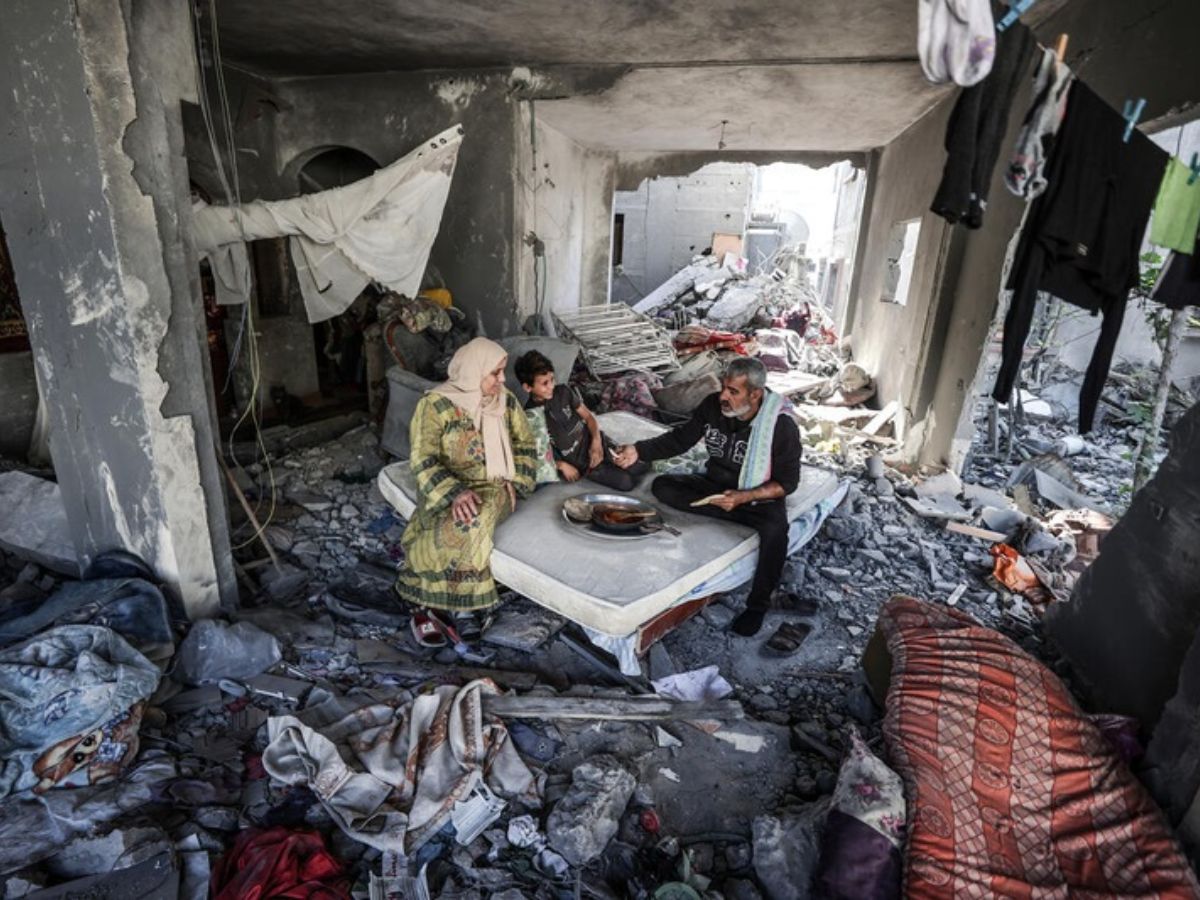
More food aid is reaching Gaza, but it still remains far from enough to prevent widespread starvation, the head of the World Food Programme (WFP) said on Thursday.
“We’re getting a little bit more food in. We’re moving in the right direction … but it’s not nearly enough to do what we need to do to make sure that people are not malnourished and not starving,” WFP Executive Director Cindy McCain told Reuters in an interview via video link from Jerusalem.
Currently, the WFP manages to deliver about 100 aid trucks daily into Gaza, far below the 600 trucks per day that entered during a two-month ceasefire that ended in mid-March.
Israeli Position on Aid Figures
According to COGAT, the branch of the Israeli military overseeing aid, more than 300 humanitarian trucks enter Gaza each day, most of them carrying food. Israel maintains that it is facilitating aid while dismissing famine reports as “false and biased” in favor of Hamas.
McCain, however, stressed that despite increased access, the flow remains insufficient to meet needs.
High-Level Meetings and Promises
During her visit to Jerusalem, McCain met with Israeli Prime Minister Benjamin Netanyahu. Both offices confirmed they agreed to redouble efforts to expedite humanitarian deliveries.
She also met with the Israeli military’s Chief of Staff, Lieutenant General Eyal Zamir, pressing for unfettered access, more safe routes, and faster clearance processes. A military statement said Israel remained committed to preventing famine and enabling aid to reach civilians.
Hunger on the Ground
The Integrated Food Security Phase Classification (IPC) issued a new report estimating that about 514,000 people, nearly a quarter of Gaza’s population—are facing famine conditions in Gaza City and nearby areas. The report further warned that famine could spread to Deir al-Balah and Khan Younis by the end of September.
McCain called the IPC assessment the “gold standard” for measuring food insecurity. Israel has rejected the findings as “deeply flawed” and urged the IPC to retract the report.
On the ground, Gazans describe living with barely enough to survive. “I ask the people in charge of aid to increase the aid so that we can eat and live … some rice is not enough for us,” said Sami al-Ashram, 52, while waiting at a soup kitchen in Gaza City.
Also Read: Trump’s Envoy Claims Breakthrough with Putin — Then Walks It Back?
Humanitarian Reality
McCain’s tour of Deir al-Balah and Khan Younis this week, including a clinic serving children and pregnant women, revealed desperate conditions.
“What we saw was utter devastation. It’s basically flattened, and we saw people who are very seriously hungry and malnourished,” she said.
While modest inflows of commercial goods have slightly lowered food prices, most Gazans remain unable to afford them. Without sustained humanitarian access, WFP fears that Gaza will spiral further into famine.