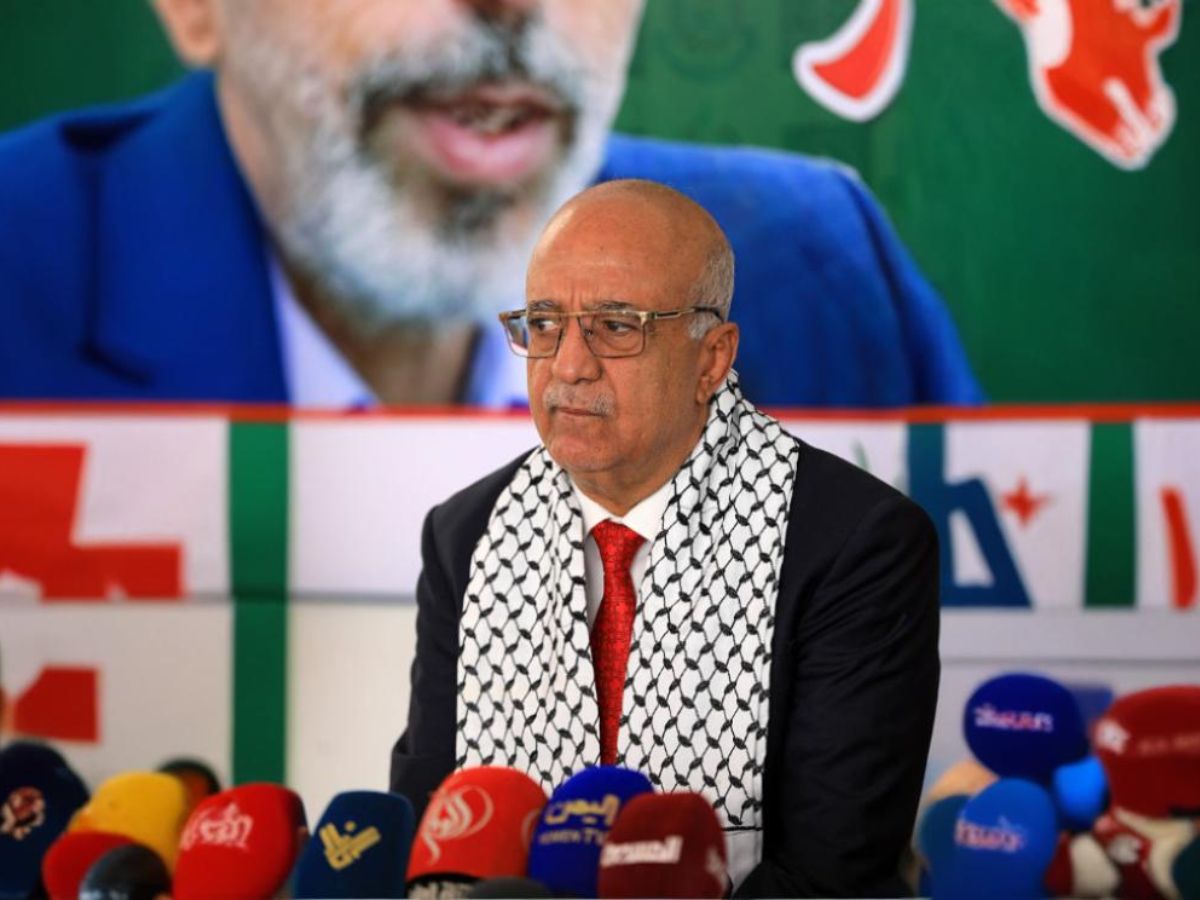
Israeli airstrikes on Thursday targeted the Houthi-controlled Yemeni capital of Sanaa, killing top rebel leaders including Prime Minister Ahmed al-Rahawi, according to Yemeni and Israeli media reports. The strikes came just days after a previous wave of bombings against the Iran-backed Houthis, who have intensified drone and missile attacks in support of the Palestinians.
Authorities in Sanaa reported at least 10 people killed and 90 injured, while Israel described the operation as a decisive blow against Houthi military leadership.
Prime Minister and Top Commanders Targeted
Yemeni outlet Al-Jumhuriya confirmed that al-Rahawi was killed in his apartment during the strikes. Several of his associates also died. Israeli officials said the attacks were aimed at a “military target,” but did not initially specify names.
Later reports suggested the strikes may also have killed:
- Mohamed al-Atifi, Houthi Defence Minister
- Muhammad Abd Al-Karim al-Ghamari, Houthi Chief of Staff
Al-Ghamari, according to Euronews, had already been wounded in a previous Israeli attack. While Israel has not formally confirmed his death, officials believe the strikes dealt a major blow to the rebel leadership.
Strategic Timing of the Strikes
Apparently absent from the targeted locations, Houthi leader Abdul-Malik al-Houthi was scheduled to give a speech at the time of the Israeli assault. Defence Minister Israel Katz, Prime Minister Benjamin Netanyahu, and Chief of Staff General Eyal Zamir jointly approved the airstrikes.
“As we warned the Houthis in Yemen, after the Plague of Darkness comes the Plague of the Firstborn. Whoever raises a hand against Israel — his hand will be cut off,” Katz said after the attack, using stark biblical imagery to underline Israel’s stance.
Houthis’ Role in the Wider Conflict
The Houthis, who have controlled large parts of Yemen since 2014, form a key part of Iran’s “Axis of Resistance.” Claiming ties to Israel, the organization has attacked ships in the Red Sea and Gulf of Aden and launched many drone and missile attacks against Israel since the beginning of the Gaza War.
This escalation has heightened regional tensions, with Israel now openly extending its strikes beyond Gaza and Lebanon into Yemen.
Also Read: Gaza City Declared As Combat Zone, Aids Halted Among Rising Civilian Risks
The Trump Administration’s Attempted Deal
Earlier in May, the Trump administration had announced an understanding with the Houthis to reduce attacks on shipping in exchange for Israel limiting its military operations. The current strikes, however, raise the possibility that the agreement fell through or that ground-level events took precedence.
While the death of Ahmed al-Rahawi marks a turning point in Israel’s confrontation with the Houthis, the situation remains volatile. Eliminating key officials, according to analysts, would lead to more retaliation attacks on Israeli territory and international trade lines.
Israel, however, appears determined to signal that no part of the Axis of Resistance will be spared.