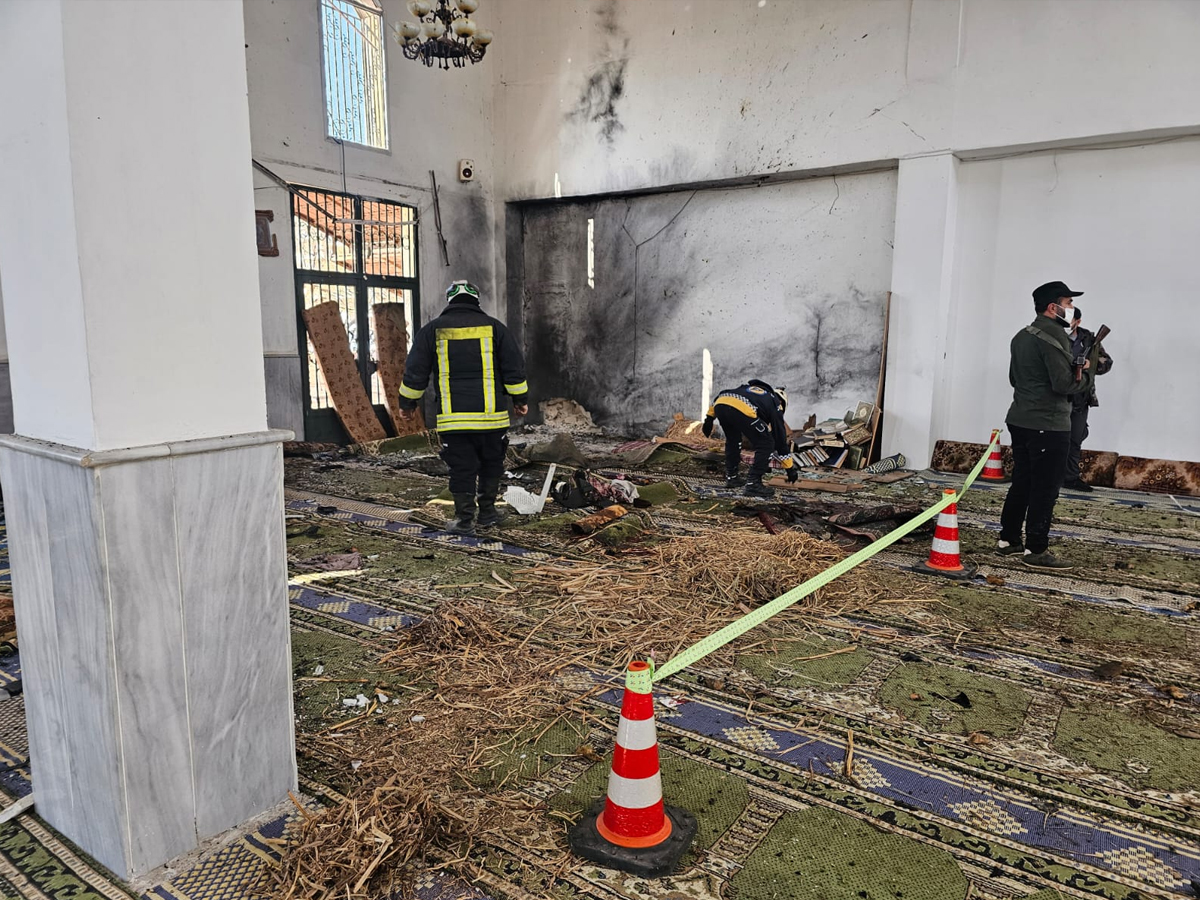
Israel carried out a fresh wave of strikes against Hezbollah positions in Lebanon on Friday, even as key disarmament talks and a fragile ceasefire remain in place. The attacks targeted weapons depots and training facilities, deepening concerns over a growing security crisis along the Israel‑Lebanon border. This comes at a sensitive time, with Lebanon racing to meet ceasefire conditions and international pressure mounting to avoid wider conflict.
What Targets Were Hit in Lebanon?
The Israeli military said it struck multiple Hezbollah‑linked sites across Lebanon on Friday, including training compounds used by the group’s elite Radwan Force and several weapons storage facilities. Military officials described these as “terrorist infrastructure” used to plan and carry out attacks against Israel.
Strikes were reported in eastern and southern regions, including areas near Hermel, a known Hezbollah stronghold, as well as other locations where depots and training grounds were believed to be active.
Ceasefire in Place, But Fighting Continues
A US‑backed ceasefire between Israel and Hezbollah came into effect in November 2024, ending more than a year of open hostilities. However, violence and military actions have persisted since then. Israeli forces maintain positions in several strategic areas along the border, arguing that Hezbollah continues to pose a threat.
Despite the ceasefire rules, Israeli airstrikes have been frequent, with more than 340 people killed in Lebanon by Israeli fire since then, according to health ministry counts compiled by international agencies.
Why Israel Is Striking Now?
Israeli officials said the latest operations were aimed at eliminating active Hezbollah facilities used to advance “terror attacks” against the state of Israel. The military warned it would act to remove any threat posed by the group’s ongoing activities.
The strikes follow other recent operations, including one targeting a member of Iran’s Quds Force and earlier attacks near the Syrian border.
Lebanon’s Disarmament Push Under Pressure
Lebanon has been working to implement a ceasefire requirement that calls for the disarmament of Hezbollah, especially in the south near the border with Israel. The government has moved to enforce weapons collection south of the Litani River, though tensions remain over how, and how fast, the process should proceed.
Israel has questioned the Lebanese army’s ability to carry out disarmament, saying Hezbollah has been rearming and rebuilding its capabilities. Hezbollah rejects such calls, saying it will not surrender weapons while Israeli strikes continue.
Civilian and Regional Impact
The continuing strikes have stoked fears of renewed escalation. Lebanese authorities and health agencies have reported casualties in recent actions near the border and in eastern Lebanon, underscoring the toll on civilians even as combatants remain the declared targets.
Regional powers, including several Arab states and international organisations, have called for restraint. Diplomatic efforts are ongoing to keep tensions from spiralling into broader conflict, especially as the humanitarian situation remains fragile.
The Disarmament Deadline Looms
A key backdrop to the current strikes is the year‑end deadline set by the ceasefire for disarming Hezbollah forces south of the Litani River. With that deadline close and Hezbollah still a dominant force, both Israeli and Lebanese leaders face intense domestic and international pressure.
For Israel, continued strikes may signal an effort to weaken Hezbollah ahead of any wider campaign. For Lebanon, progress on disarmament could shape the future of its security architecture and relations with both Hezbollah and Western partners.
The tension between fulfilling ceasefire obligations and addressing security threats will likely dominate diplomacy and conflict dynamics in the region in early 2026.