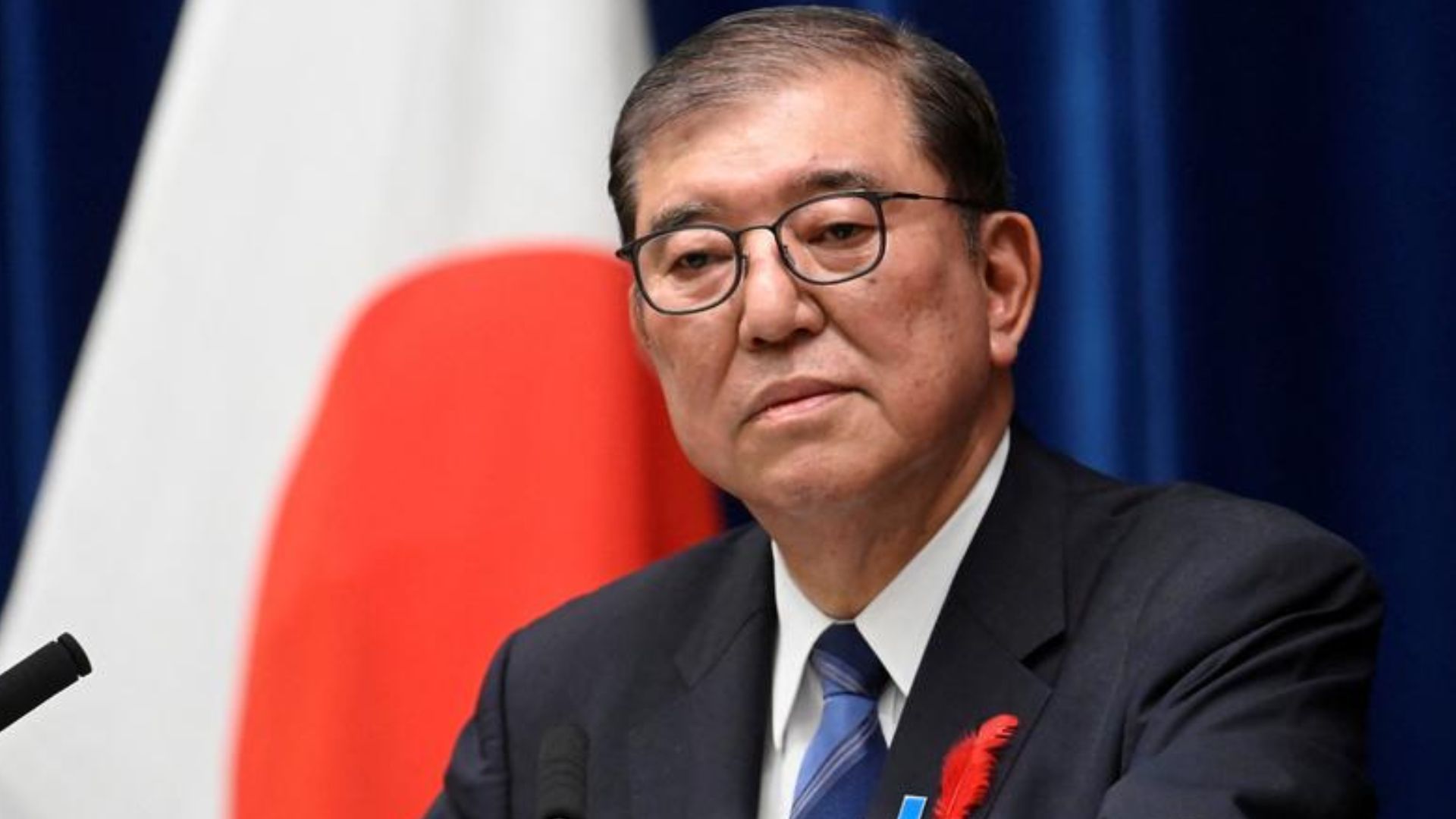
Japanese Prime Minister Shigeru Ishiba has reportedly decided to resign following his party’s poor performance in the recent election. The news surfaced just hours after Japan finalized a trade deal with the United States, lowering a planned 25% tariff to 15% before the August 1 deadline.
Leading a Struggling Party
Ishiba, 68, has been leading the ruling Liberal Democratic Party (LDP), which has been the dominant force in Japanese politics for decades. However, the party faced its worst general election last year. In September, Ishiba finally won the LDP leadership on his fifth attempt, only to see his party struggle.
He called for early elections in October, hoping to strengthen his position. But the LDP-led coalition ended up in the minority, forcing the government to rely on opposition support to pass laws.
Disastrous Upper House Election
In last Sunday’s upper house elections, the LDP and its ally Komeito failed to keep their majority, missing it by just three seats. This loss was a major blow to Ishiba’s leadership.
Angry over rising inflation, many voters shifted their support to other parties—particularly Sanseito, which promotes a “Japanese first” and anti-globalist message, similar to populist movements in other countries.
Timeline for Resignation Unclear
According to the newspaper Mainichi, Ishiba is expected to resign by the end of August. Another major paper, Yomiuri, reported that he would announce his resignation sometime in July, but did not specify an exact date.
Falling Approval Ratings
Recent surveys show public dissatisfaction with the ruling coalition. A poll by NHK, Japan’s public broadcaster, revealed that support for Ishiba’s Cabinet has dropped to 31%, down from 34% last week and 39% in early June.
Public Rejects Ishiba’s Economic Plan
To help citizens cope with rising living costs, Ishiba proposed one-time cash handouts. However, most opposition parties are calling for a reduction or complete removal of the sales tax.
The NHK poll found that 52% of respondents supported cutting or eliminating the sales tax, while only 17% favored cash handouts, Ishiba’s preferred measure.