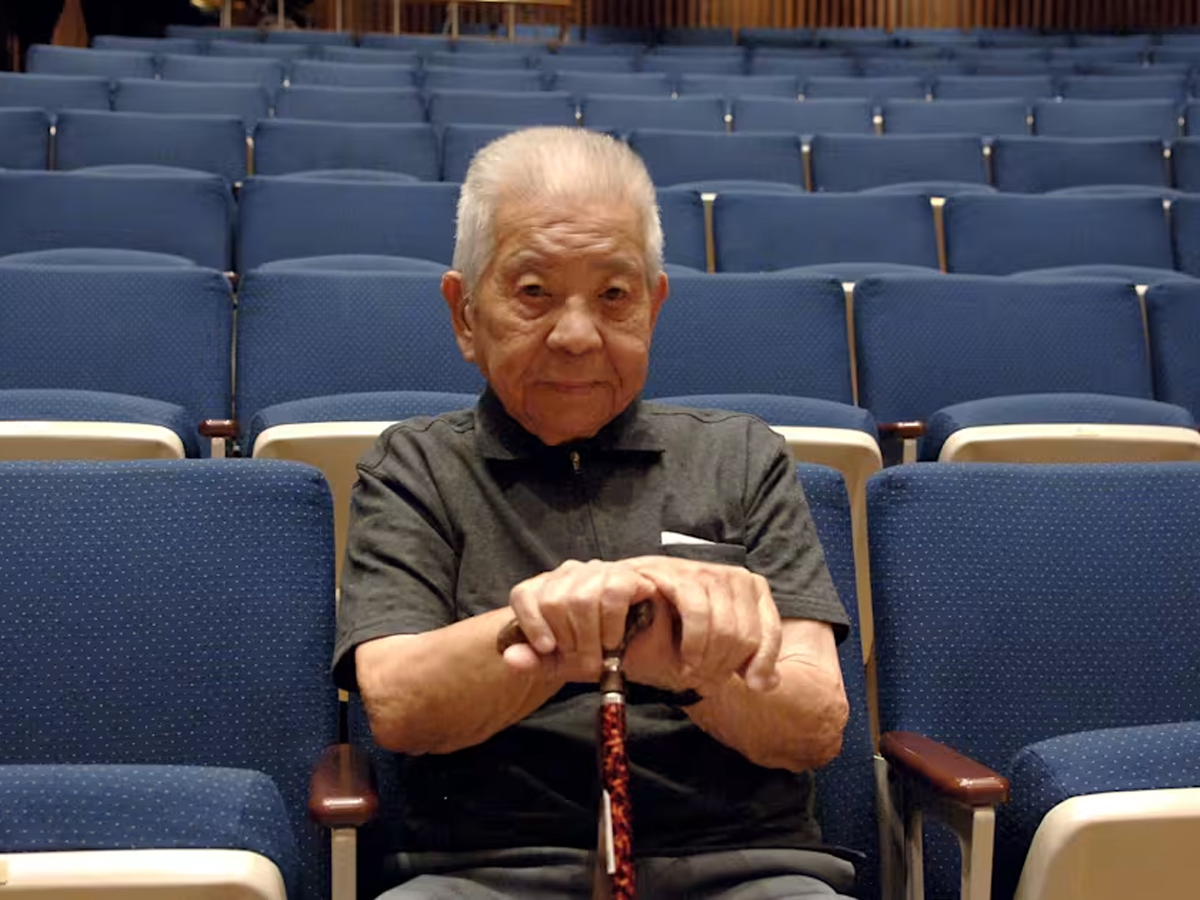
In honor of the unfathomable destruction brought forth by the atomic bombs, the world observes Hiroshima Day on August 6. The narrative of Tsutomu Yamaguchi, the sole officially acknowledged survivor of both the Hiroshima and Nagasaki nuclear attacks, stands out as remarkable among the tales of loss and in addition to calling for a future free of nuclear weapons, his presence serves as a terrifying reminder of humanity’s tenacity and devastating might.
August 6, 1945: The Day Everything Changed
Yamaguchi was a 29-year-old naval engineer at the time. He was wrapped up a business trip in Hiroshima when the United States exploded “Little Boy,” the first atomic weapon ever.
As he stepped off a tram just 3 kilometers from the blast’s epicenter, the explosion ruptured his eardrums, blinded him temporarily, and severely burned the upper half of his body.
ALSO READ: That Was a Moment’: How the Hiroshima Bomb Was Armed in Mid-Air
“I didn’t know what had happened,” Yamaguchi recalled in an interview with The Times. “I think I fainted for a while. When I opened my eyes, everything was dark, and I couldn’t see much.”
He found his co-workers amidst the destruction and somehow reached the train station, which miraculously was still functioning. His destination was Nagasaki—his hometown.
Just Three Days Later: Déjà Vu in Nagasaki
Yamaguchi returned to Nagasaki on August 8, his injuries so severe that his family barely recognized him. While being treated at a local hospital, he reported to work the next day, sharing his Hiroshima experience. While his superiors debated how one bomb could destroy a city, a sudden flash of white light signaled a second nightmare—this time, Nagasaki.
ALSO READ: “If I Live for 100 Years…”: Hiroshima’s Co-Pilot Could Never Forget That Moment
Life After the Bombs: The Struggle, Survival, and Activism
Radiation exposure caught up with Yamaguchi—his hair fell out, and he suffered from high fever and constant vomiting. When Japan’s Emperor Hirohito announced surrender days later, Yamaguchi was in a bomb shelter.
“I had no feeling about it,” he recalled. “I was seriously ill with a fever… I thought that I was about to cross to the other side.”
Despite lifelong health issues and emotional trauma, Yamaguchi became an outspoken advocate for nuclear disarmament. Officially recognized by the Japanese government as a survivor of both bombings in 2009, he used his platform to urge world leaders to abandon nuclear arms.
“The reason that I hate the atomic bomb is because of what it does to the dignity of human beings,” he once said.