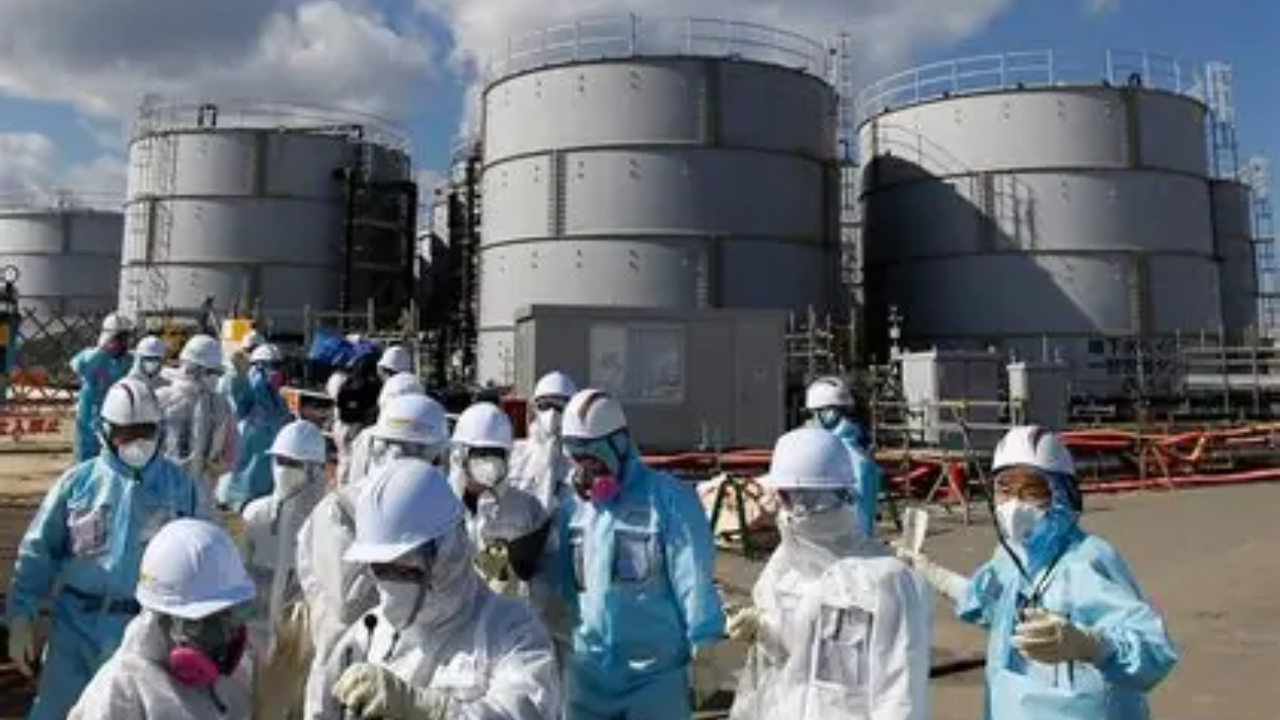
In a highly symbolic gesture, bags of mildly radioactive soil collected from the region surrounding the Fukushima Daiichi nuclear plant were transported and deposited in the front yard of Japan’s Prime Minister’s Office in Tokyo on Saturday. The move, orchestrated by the government, aims to demonstrate that the decontaminated soil is safe for reuse in public and agricultural spaces.
Post-Disaster Cleanup and Soil Management
Following the catastrophic 2011 earthquake, tsunami and subsequent nuclear meltdown in Fukushima, authorities undertook a massive soil decontamination campaign, scraping topsoil from wide areas to mitigate radiation exposure. This initiative resulted in the accumulation of over 14 million cubic meters of radioactive soil, which has since been temporarily stored in secure facilities adjacent to the nuclear plant.
The Japanese government has committed to relocating the soil by 2045. However, due to public reluctance to host the contaminated material, alternative strategies such as reusing it for landscaping and public works are being explored.
Radiation Risk Deemed Minimal by Officials
According to the Ministry of the Environment, the majority of the stored soil exhibits radiation levels comparable to, or even lower than, the dose received from a single annual X-ray. To mitigate public concern, the soil placed in the Prime Minister’s flower beds will be covered with an additional 20 centimeters of non-contaminated soil, creating a buffer layer to prevent direct exposure.
Government Push to Normalize Soil Reuse Amid Skepticism
This symbolic deployment of Fukushima soil in the nation’s capital is intended to normalize the practice of reuse and counter widespread public anxiety over radiation. The government hopes that visible examples of safe application will encourage municipalities and private sectors to accept similar uses in agriculture, landscaping and infrastructure.
Political Undertones Ahead of Election
The delivery comes at a politically sensitive time. Public dissatisfaction with the government’s environmental policies and nuclear strategy looms large ahead of Japan’s upper house elections scheduled for Sunday. Recent polls indicate that Prime Minister Shigeru Ishiba’s coalition may lose its parliamentary majority an outcome that could force his resignation after less than a year in office.
The move to publicly place Fukushima soil at the seat of executive power, while framed as a safety demonstration, is also being read as an effort to project confidence and regain public trust amid electoral uncertainty.
Public Perception and Environmental Legacy
Despite government reassurances, the reuse of contaminated soil remains a contentious issue among citizens, environmental groups and local governments. Concerns persist about long-term exposure, ecological impact and the ethical dimensions of distributing radioactive waste for public use.
As Japan continues to navigate the complex legacy of the Fukushima disaster, the symbolic and practical implications of soil reuse will remain a central issue in its environmental governance and public health policy.