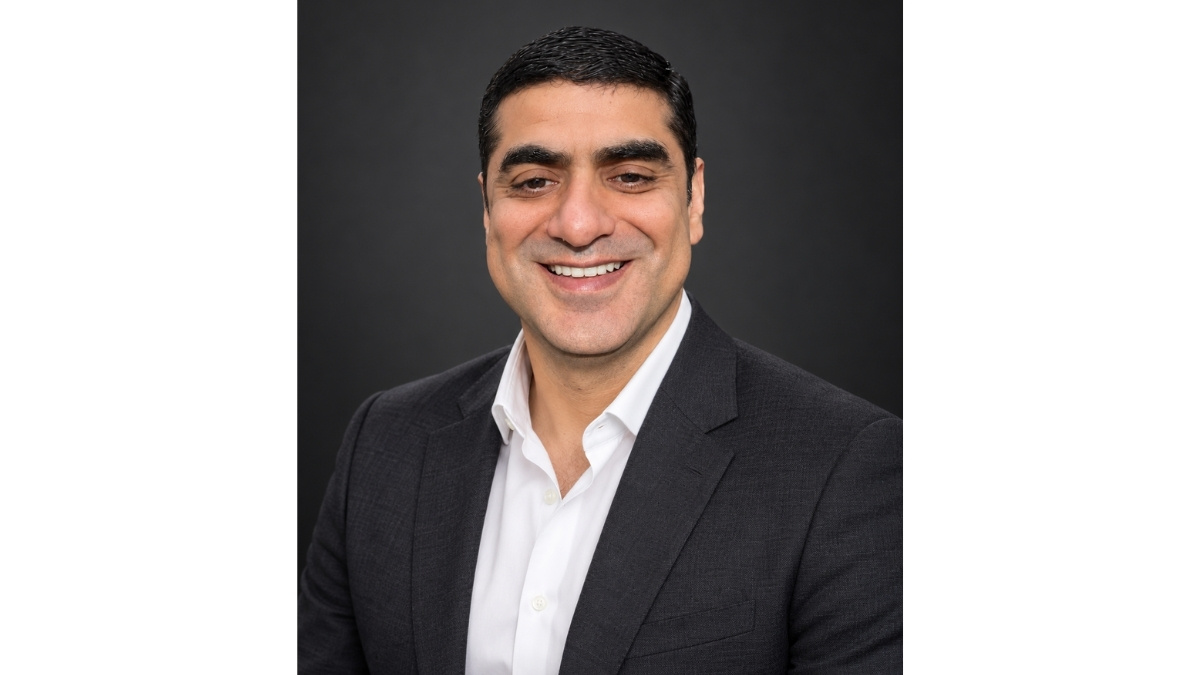
New Delhi: Hezbollah has firmly rejected the US-mediated framework agreement between Israel and Lebanon, calling it a one-sided deal that serves Israel’s interests while undermining Lebanon’s sovereignty. The statement, issued on Saturday by Hezbollah Secretary-General Naim Qassem, has cast fresh doubt on efforts to ease tensions along the volatile Israel-Lebanon border.
In his remarks, Qassem described the agreement as a serious mistake by the Lebanese government and declared that Hezbollah does not recognise or accept its terms. The group argued that the proposed framework unfairly favours Israel and ignores Lebanon’s legitimate security concerns, making it unacceptable from both a political and national perspective.
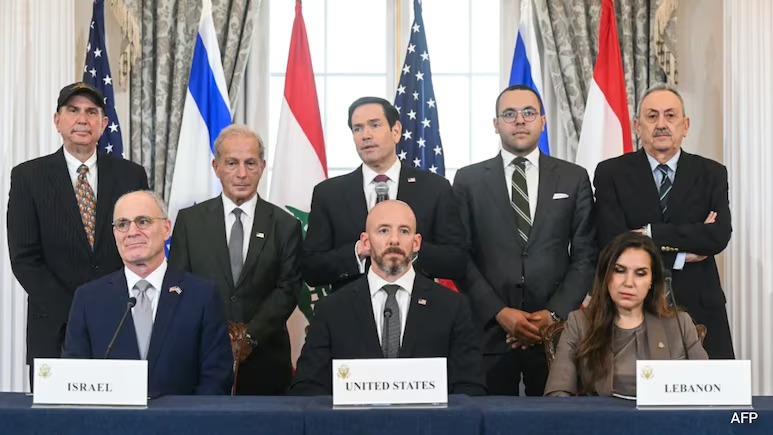
The US-brokered framework was intended to reduce months of hostility between Israel and Lebanon. Key provisions included the withdrawal of Israeli troops from southern Lebanon and the transfer of security responsibilities in the area to the Lebanese army.
However, these provisions have now become the main points of disagreement. Hezbollah believes the restrictions would weaken Lebanon’s ability to defend itself while giving Israel a strategic security advantage.
Israel, on the other hand, has consistently argued that its primary objective is to secure its northern border and prevent Hezbollah from maintaining an armed presence in southern Lebanon. Israeli officials have long demanded that only the Lebanese army operate in the region, in line with international resolutions aimed at reducing the risk of cross-border attacks.
Hezbollah’s rejection of the framework is expected to complicate diplomatic efforts to achieve a lasting ceasefire. Analysts warn that the collapse of the proposed agreement could increase the risk of renewed military exchanges along the border, potentially prolonging the conflict and further destabilising the region.
The development is also politically charged, as Hezbollah continues to play a key role in Lebanon’s politics and military landscape. As international mediators push for a diplomatic resolution, the coming weeks will be crucial in determining whether talks can resume or the region faces a renewed threat of violence.