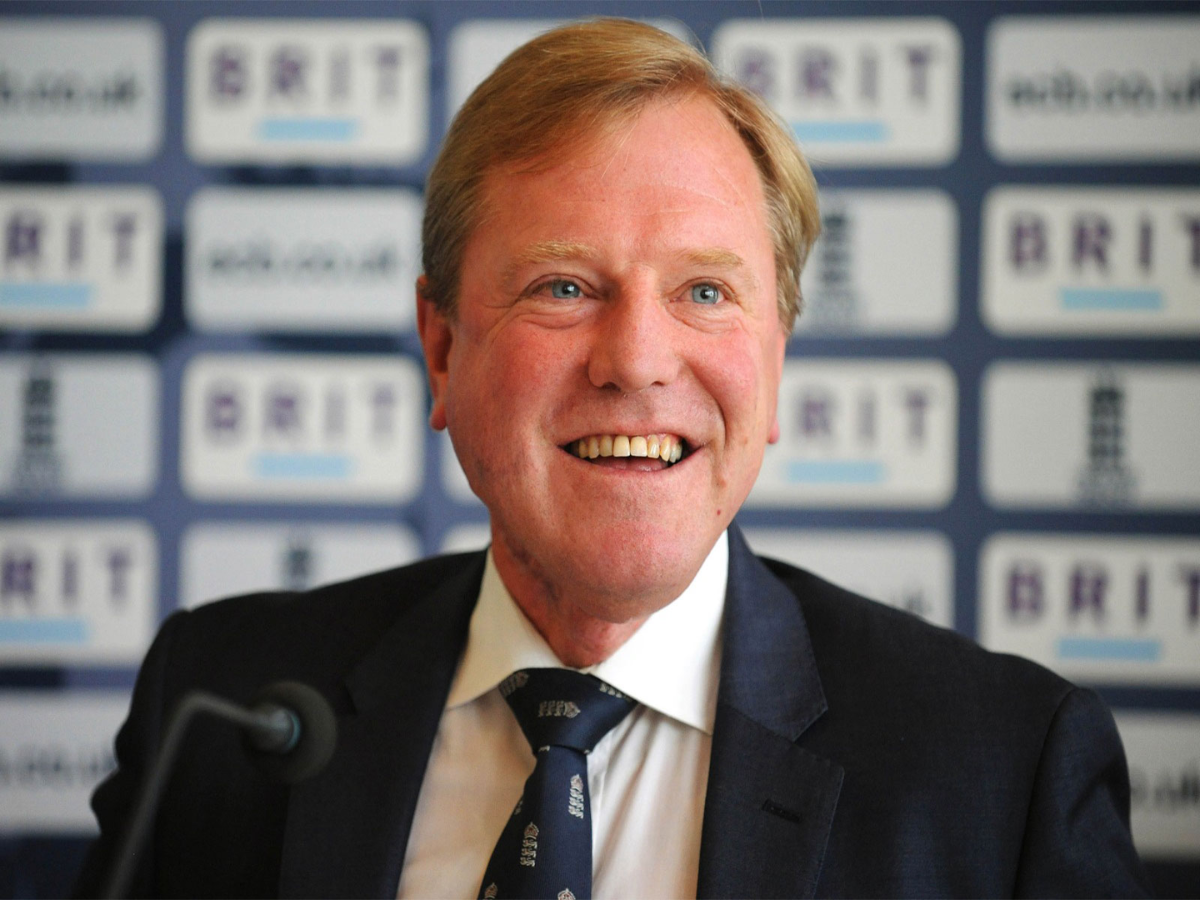
Former US Pentagon official Michael Rubin has compared Pakistan’s Army Chief, Field Marshal Asim Munir, to Al Qaeda founder Osama Bin Laden. His remarks come just days after Munir threatened that Pakistan could “take down half the world” with its nuclear arsenal.
Rubin’s Sharp Criticism
“Asim Munir is Osama Bin Laden in a suit and there will be no amount of concession that will be given to Pakistan that is going to change his ideology or the Pakistani elite he represents,” Rubin said.
Munir’s controversial statement was made over the weekend at an event in Tampa, Florida, where he declared, “We are a nuclear nation. If we think we are going down, we’ll take half the world down with us.”
Reacting to this, Rubin said, “The fact that Pakistan is threatening half of the world with nuclear weapons is a clear indication that it has lost its right to be a legitimate state. It is time for the US to consider other policies.”
Calls to Redesignate Pakistan’s Status
Rubin argued that the US should no longer treat Pakistan as a major non-NATO ally.
“Pakistan should be the first major non-NATO ally to be listed as a state sponsor of terrorism and should not be a member of the US Central Command anymore,” he said.
He also suggested that Munir should be declared persona non grata in the US and denied an American visa “until he explains himself and apologises.”
Trump’s Approach to Munir
Munir’s latest visit to the United States marks his second official trip, raising questions about its strategic significance.
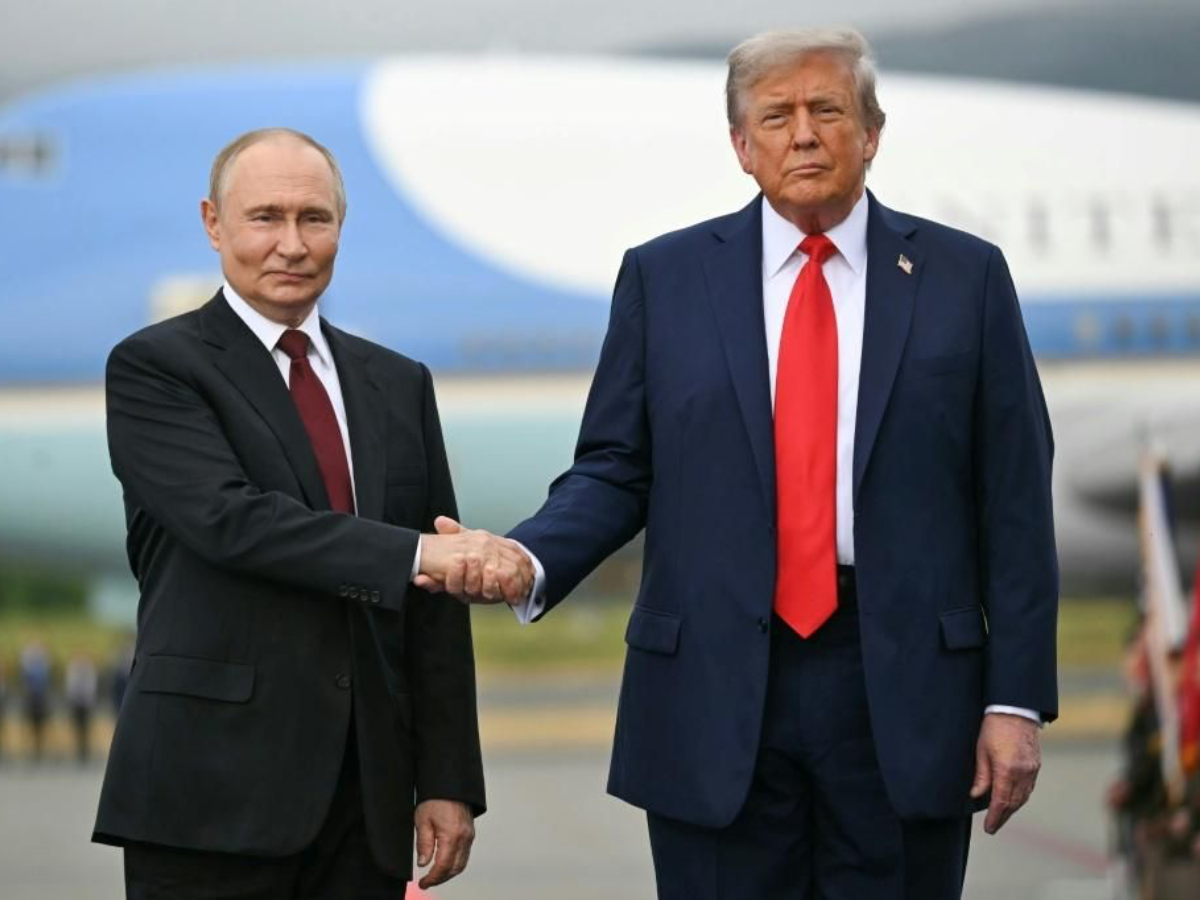
During his previous visit, Trump hosted him in the Oval Office — an unusual gesture for a serving foreign military chief — treating him with the same protocol as a head of state.
Munir’s swift rise to the position of Field Marshal has drawn comparisons to past Pakistani military leaders such as General Zia-ul-Haq, Ayub Khan, and Pervez Musharraf, all of whom seized power by toppling civilian governments.
Perception as Pakistan’s “De Facto” Leader
In Washington, some view Munir as Pakistan’s “de facto” leader. However, despite the high-level treatment abroad, he faces considerable challenges back home, ranging from political instability to dissent within the country’s power structure.