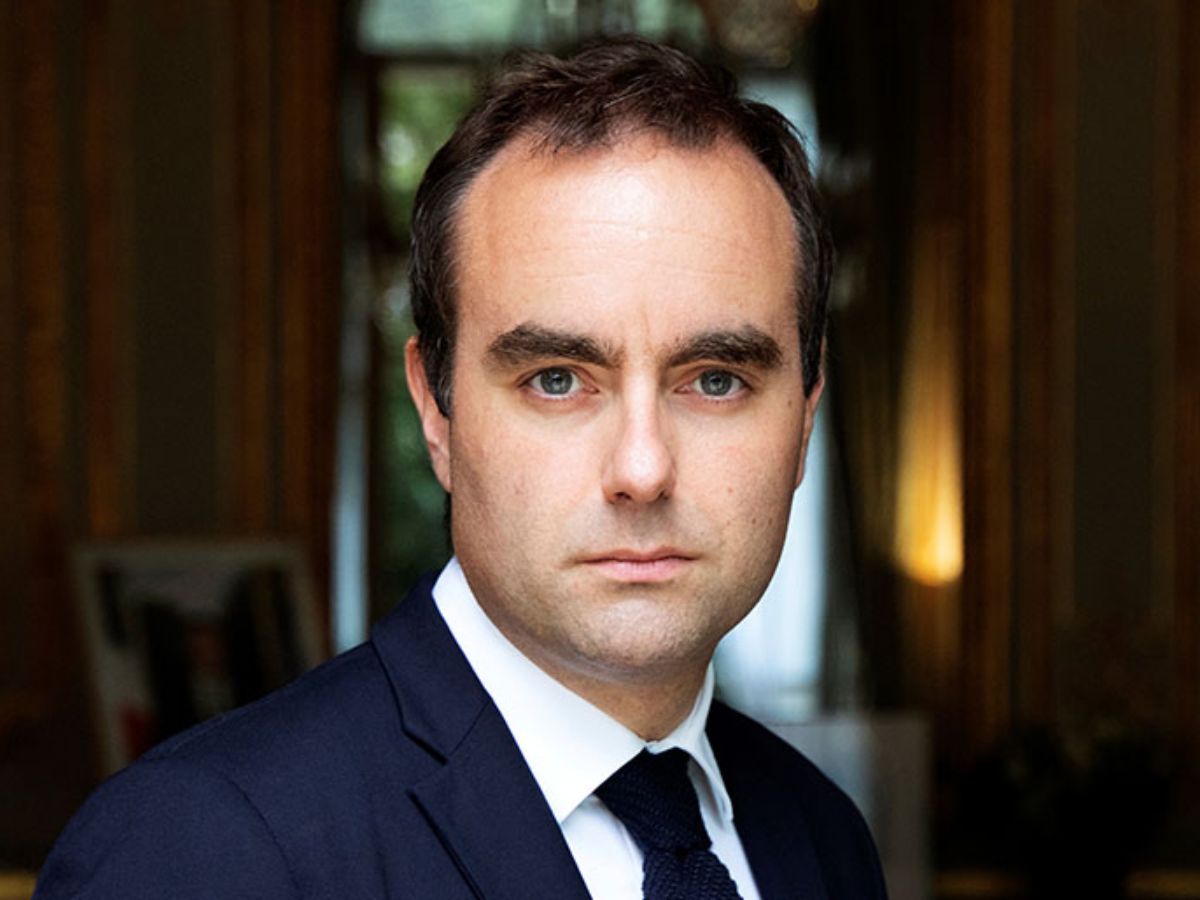
In a high-stakes move to stabilize his government, French President Emmanuel Macron has appointed Defense Minister Sébastien Lecornu as the country’s new Prime Minister. The surprise promotion comes shortly after the resignation of François Bayrou, who failed to secure support for harsh austerity measures. Lecornu, who is only 39 years old, must now unite a divided parliament and enact a controversial 2026 budget in the face of mounting public debt and the possibility of widespread protests.
Who is Sébastien Lecornu?
Sébastien Lecornu is a political prodigy whose rapid rise has now reached the zenith of French government. He is not only the youngest defense minister in French history but now becomes the third prime minister of President Macron’s incumbent administration. A former conservative politician, Lecornu joined Macron’s centrist Renaissance movement in 2017.
Serving in municipal administrations, managing foreign territories, and holding important positions during national crises have all contributed to his varied career, which has given him a special combination of administrative and emergency management skills.
Why Was He Chosen?
Lecornu’s appointment is a strategic decision by President Macron that signals a focus on loyalty, continuity, and crisis-tested leadership. As a trusted ally, Lecornu is expected to steadfastly execute Macron’s vision without internal dissent.
He is a logical choice for a government in disarray because of his recent experience as Defense Minister, where he was the architect of a significant military building plan until 2030 in response to the crisis in Ukraine. This experience showed that he could manage complicated changes and high-stakes responsibilities.
Also Read: Qatar Forms Legal Team for Retaliation After PM Labels Netanyahu a “State Terrorist”
The Immediate Challenge
The new Prime Minister’s inbox is overwhelmingly full, but one item dominates: passing the 2026 national budget. His predecessor, François Bayrou, resigned after failing to secure parliamentary support for unpopular public spending cuts aimed at reining in France’s ballooning deficit and debt. Bayrou’s warning that his removal “would not solve France’s economic challenges” now hangs over Lecornu’s head as he must somehow forge a consensus in a deeply divided parliament.
Lecornu has to handle a perfect storm of internal and global crises in addition to the legislative impasse:
- Domestic Unrest: The government is confronting planned mass protests and union strikes scheduled for mid-September, which could paralyze the country.
- Economic Pressures: Rising expenses and debt remain pressing issues that require immediate and politically painful solutions.
- Global Security: International uncertainties, including the ongoing conflicts in Ukraine and Gaza and shifting global alliances, demand constant attention.