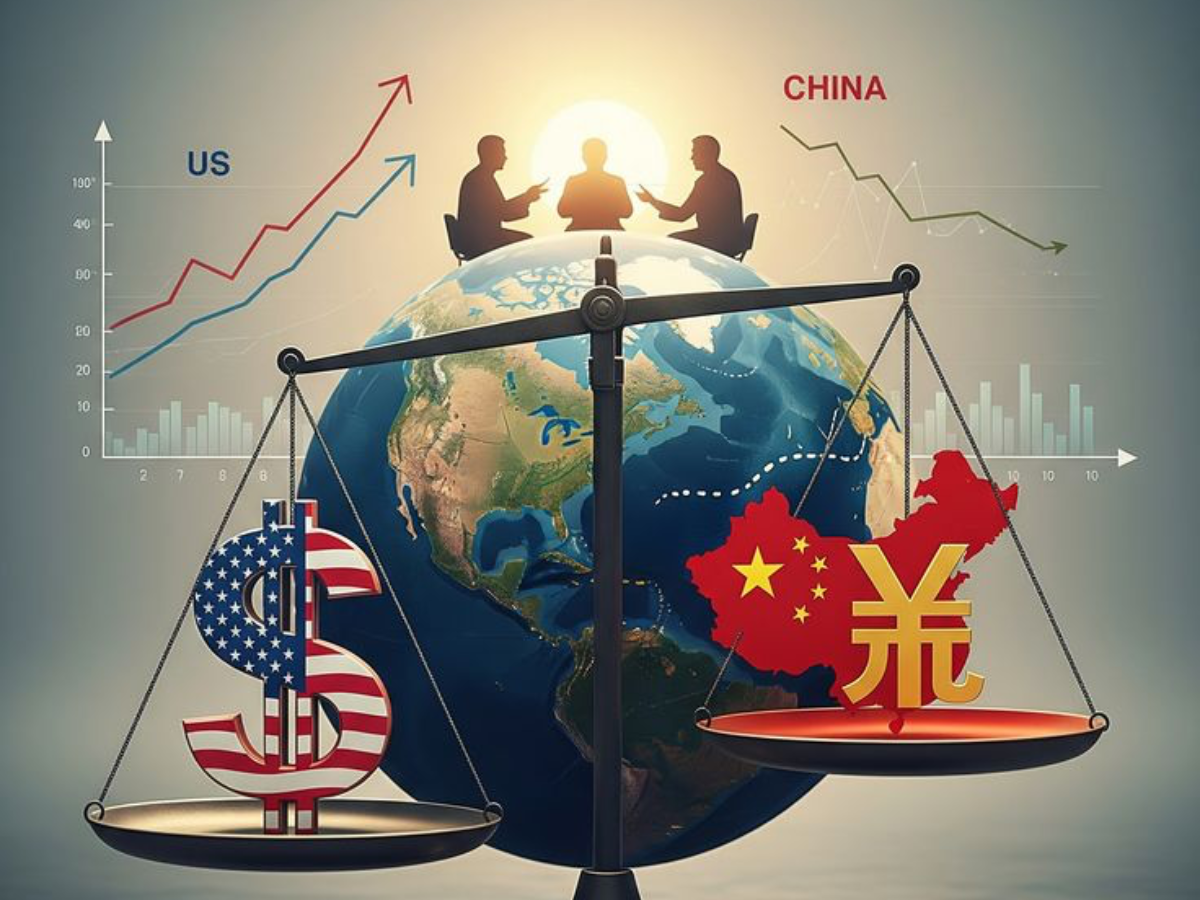
For much of modern history, the United States treated Latin America and the Caribbean as its uncontested sphere of influence. That assumption is now under pressure. In the last decade and half, China has woven itself into the fabric of regional trade and infrastructure, using ports as the backbone of a long-term strategic play.
A study by the Centre for Strategic and International Studies identifies thirty-seven Chinese linked port undertakings in the region. Ten involve direct control or management. The rest expand China’s reach through construction work, equipment supply and technology partnerships.
Why Port Control Matters More Than Ever
But ports are not just gateways of goods; they are also hubs of information, reflecting trade patterns, shipping behavior, and even military activity. Because Latin America is positioned across two oceans and the Panama Canal, its maritime infrastructure comes with particular value.
Control of such facilities enhances China’s influence over global supply chains and decreases its reliance on routes long dominated by the United States.
Kingston: A Strategic Outpost in the Caribbean
The port of Kingston in Jamaica is a defining example. Run by a Chinese state-owned company, it sits near vital shipping lanes and just a short distance from the US naval site at Guantanamo Bay.
ALSO READ: Fact Check: Is a Global War Coming? Elon Musk’s 5–10 Year Prediction Sparks Debate
In combination with China’s growing presence in Jamaica’s highways, utilities and long-term concessions, the port of Kingston reflects more than commercial activity it marks a durable strategic presence.
Mexico’s High-Risk Ports: Manzanillo & Veracruz
China’s reach into Mexico adds another layer of concern. Terminals in both Manzanillo and Veracruz are operated by CK Hutchison, an ever more Beijing-influenced company. Manzanillo is Mexico’s busiest port and is used by both commercial flows and the Pacific Naval Force.
Seizures of chemical precursors in recent years have underlined the links to China. Veracruz, while smaller has hosted various foreign naval vessels and makes use of Chinese made cranes and surveillance systems, raising concerns over data security.
Technology That Cuts Both Ways
Chinese suppliers now provide scanners, automated cranes, logistics systems and surveillance tools across the hemisphere. Many of these technologies depend on remote diagnostics or cloud based functions.
ALSO READ: Social Security Payments on December 3: Who Qualifies for Early Deposit?
Given China’s intelligence laws, experts worry that commercial systems could double as quiet channels for data collection.
China’s Deep-Water Stronghold in Peru: Chancay
The Chancay mega-port, heavily financed by COSCO, is China’s flagship project in South America. Capable of accommodating the world’s largest ships with advanced automation, it gives the country a direct trade route from Peru to China bypassing the Panama Canal.
Although it is meant for commercial activities, its scale and capability give China a foothold with long-term strategic potential.
A Hemisphere at a Crossroads
Washington now confronts a dramatically changed landscape, the product of years of underinvestment and Beijing’s recent, rapid infrastructure diplomacy. China’s port network in Latin America does not represent an accident and it represents a conscious strategy to build leverage in Washington’s neighborhood.
It is time for the United States to determine how to contest, compete with, or adjust to this new reality. The balance of power within the Western Hemisphere is being rewritten and with it global security for the decades ahead.
ALSO READ: Who is Bernie Sanders? Age, Wife, Family, Career, Net Worth & Publication
Disclaimer: This article provides analysis based on available research and should not be interpreted as legal, security or investment advice.