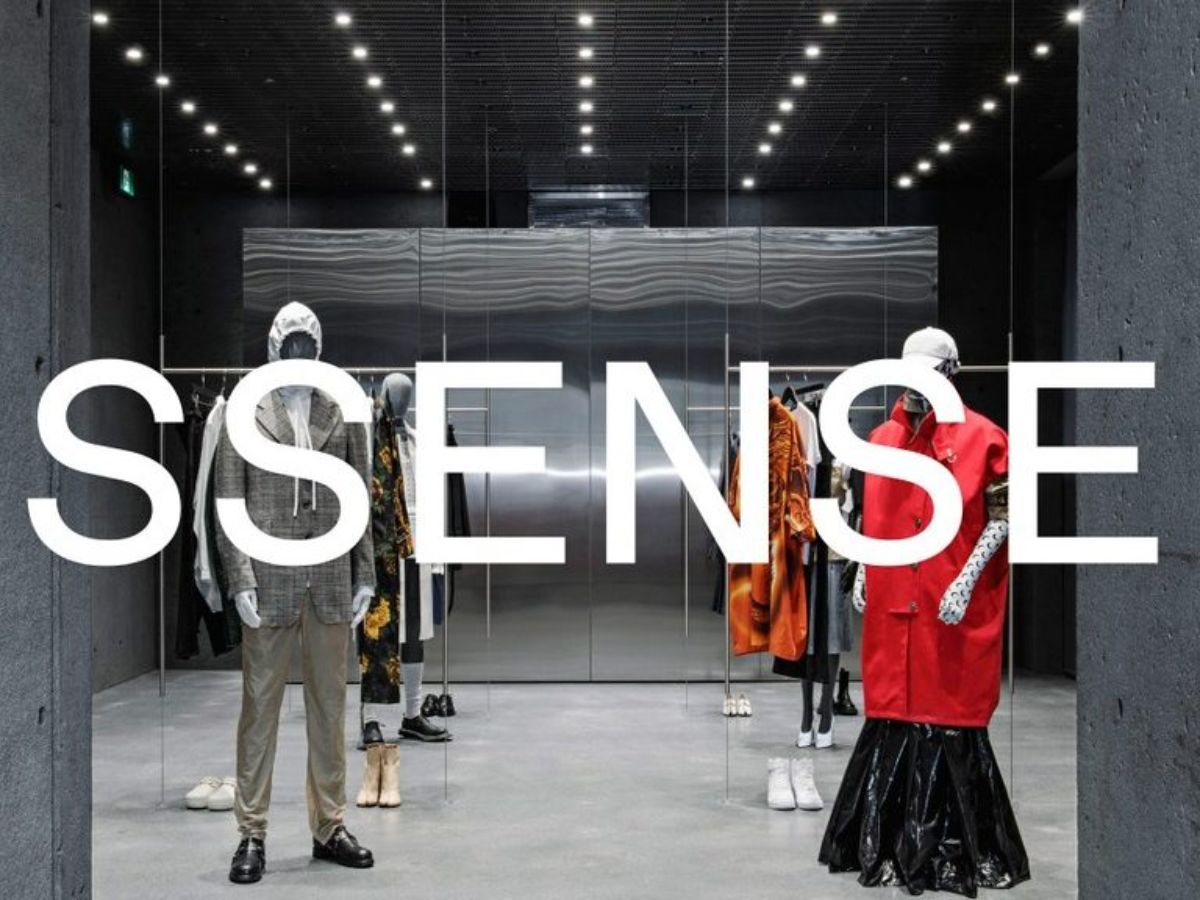
Canadian luxury fashion retailer SSENSE has announced plans to file for bankruptcy protection, citing a liquidity crisis worsened by new US tariff rules and the suspension of the long-standing de minimis exemption on small parcel shipments.
In an email to employees, CEO Rami Atallah described the move as “unavoidable,” noting that the elimination of the exemption had come as a “surprise” to the Montreal-based company.
The De Minimis Exemption Ends
The de minimis exemption, in place since 1938, allowed duty-free shipping to the United States on packages valued at $800 (C$1,100; £592) or less. It was essential to cross-border retail and international e-commerce, allowing companies like SSENSE to send small premium goods to US customers duty-free.
Last month, President Donald Trump issued an executive order suspending the policy, arguing it undermined domestic businesses and was exploited for smuggling illegal goods such as fentanyl. From now, all shipments must either pay duties based on US tariff rates or a fixed fee of $80–$200 per package.
A Blow to SSENSE’s Finances
SSENSE, valued at $4 billion in 2021 by Sequoia Capital, has been a pioneer in digital luxury retail since its founding in 2003 by Atallah and his brothers. Known for its curated high-fashion collections and strong branding, the company employs around 1,200 people worldwide.
But its heavy reliance on US consumers has exposed it to what Atallah described as a “double whammy” of tighter trade policies and falling global demand for luxury goods. Along with the tariff changes, the company’s primary lender moved to sell the business without its consent, worsening its cash crunch.
“This created an immediate liquidity crisis no short-term fix could solve,” Atallah wrote. SSENSE will file under the Companies’ Creditors Arrangement Act (CCAA), a Canadian law that allows firms to restructure under court supervision.
The company assured staff that it will continue to pay salaries and benefits, while operations will carry on “business as usual” during the proceedings.
Also Read: “This Buffer Already Exists”: Zelensky Rejects EU Plan for Ukraine-Russia Buffer Zone
A Broader Retail Shockwave
Experts say SSENSE’s struggles highlight a growing pressure point for international retailers. Charles de Brabant, executive director of the Bensadoun School of Retail Management at McGill University, said the company’s challenges were “not surprising,” citing both weakening luxury sales and new trade headwinds.
“It’s not an easy landscape for retailers and brands at the moment, and in my view there is more to come,” de Brabant said.
Other companies have also sounded the alarm. Tapestry, the parent of Coach, expects a $160 million profit hit this year, partly from the elimination of the de minimis exemption. Smaller brands, such as Province of Canada, have even suspended shipments to the US “until further notice.”
In 2023 alone, nearly 1.4 billion packages worth more than $64 billion entered the US duty-free under the exemption, according to customs data. Cross-border e-commerce is anticipated to undergo a dramatic transformation upon its elimination.
For SSENSE, filing for creditor protection may provide a lifeline as it restructures under the weight of tariffs, lender actions, and shifting consumer demand. Its “basic business strategy” is still robust, the corporation says, but surviving in an unpredictable trade environment will be crucial.