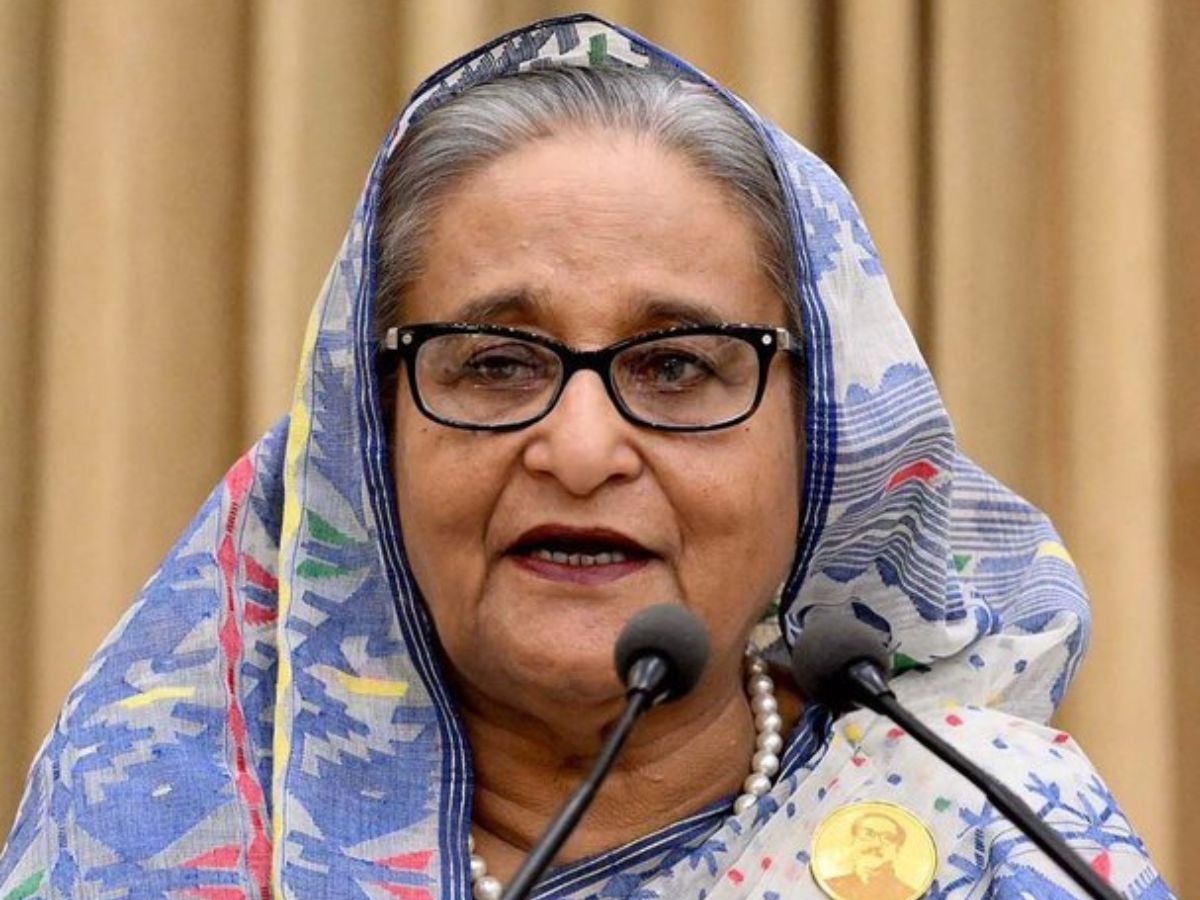
Recently, Sheikh Hasina, the former Prime Minister of Bangladesh, was sentenced to death by the special tribunal on charges relevant to a deadly student-led uprising and alleged crimes against humanity. She has been living in India since August 2024 after she was forced out of office during the “July Uprising.” The interim government of Bangladesh has now issued a fresh extradition request to India demanding her return to face the death sentence given by the tribunal.
Why Sheikh Hasina Fled to India?
Hasina, who fled Bangladesh on August 5, 2024, after mass protests forced her resignation and she went into exile in India, was found guilty of ordering lethal force and failing to prevent atrocities by the tribunal. It estimates as many as 1,400 people were killed in the crackdown on the student uprising that brought her down.
Bangladesh now says India has an “obligatory responsibility” under a bilateral extradition treaty of 2013, which calls for the handover of individuals convicted of serious crimes upon a formal request.
What Did Bangladesh Do Next and What Is India’s Response?
After the death sentence was pronounced on November 17, 2025, Bangladesh’s Foreign Ministry sent a note verbale to India through its High Commission in New Delhi, making a formal request for Hasina’s extradition.
This is reportedly the third formal request from Dhaka since December 2024. Bangladesh has warned that harboring someone convicted of crimes against humanity would be “a grave act of unfriendly conduct” and a “travesty of justice.”
India’s response has been cautious: the External Affairs Ministry said it has “noted” the verdict but has not committed to any action on the extradition request. The lack of immediate compliance has raised tensions between the two countries and added diplomatic strain to their relations.
What are the legal and political challenges for the extradition of Sheikh Hasina?
While Bangladesh insists the treaty binds India to co-operate, analysts note that extradition would remain subject to a raft of conditions, including whether the offence is considered extraditable under Indian law, human rights concerns and the fact that Hasina was tried in absentia.
India may also weigh its broader foreign policy, legal safeguards, and possible diplomatic fallouts. Additionally, the leader of the Awami League, who constructed an imposing political career over a period of 16 years, maintains influence even during her exile. Her sentence has deep implications regarding Bangladesh’s political dynamics and upcoming elections.