Tensions flared once again between Pakistan and Afghanistan as deadly border clashes erupted over the weekend, leaving dozens of soldiers dead on both sides. The fresh round of violence has pushed relations between Islamabad and Kabul to a new low, with both countries trading accusations over airstrikes, border violations, and militant activity. Know everything and the whole timeline about the clash.
What Triggered the Pakistan-Afghanistan Clashes?
The confrontation began when Pakistan reportedly carried out airstrikes in Afghanistan’s capital, Kabul, and a marketplace in the eastern region. Pakistani security officials claimed the operation targeted militant hideouts, including top leaders of the banned Tehreek-e-Taliban Pakistan (TTP).
A Pakistani security official told Reuters that the intended target was Mufti Noor Wali Mehsud, the TTP chief, who was believed to be travelling in a vehicle at the time. “The airstrikes were carried out after credible intelligence inputs,” the official said.
However, the Taliban strongly condemned the strikes. Zabihullah Mujahid, the Taliban government spokesman, called it an “airspace violation” and vowed retaliation.
Afghanistan Hits Back with Retaliatory Fire
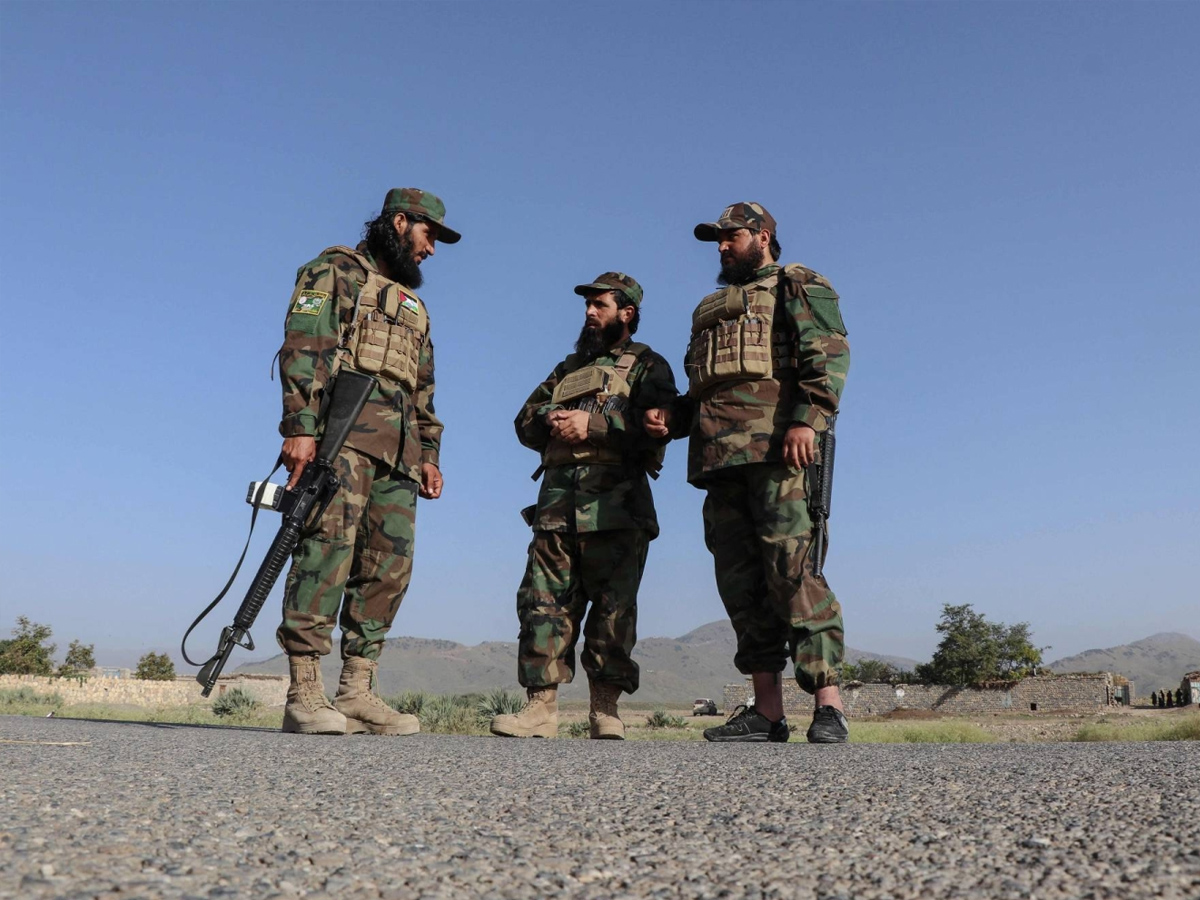
Following the alleged airstrikes, Afghan troops launched retaliatory attacks on Pakistani border posts late Saturday night. The Taliban government said its forces opened fire in response to “aggression” from Pakistan.
“If the opposing side again violates Afghanistan’s territorial integrity, our armed forces are fully prepared to defend the nation’s borders and will deliver a strong response,” Afghanistan’s Defense Ministry said in a statement.
The Pakistan Army, in turn, accused Afghan Taliban and TTP fighters of launching “unprovoked” attacks on Pakistani military positions along the Durand Line.
Border Flashpoints and Areas Under Attack
The clashes were reported across multiple border points, including Angoor Adda, Bajaur, Kurram, Dir, and Chitral in Pakistan’s Khyber Pakhtunkhwa province, as well as Baramcha in Balochistan.
State broadcaster Radio Pakistan confirmed that Pakistani forces responded to “sustained firing” from the Afghan side. Security officials said that by Sunday morning, most of the exchanges had subsided, though intermittent gunfire continued in some areas like Kurram.
Casualties on Both Sides
Both countries presented sharply different accounts of casualties. Afghanistan claimed that 58 Pakistani soldiers were killed in overnight operations. On the other hand, Islamabad reported 23 of its soldiers killed while asserting that over 200 Taliban and allied militants died in the fighting.
The Taliban government’s chief spokesman, Zabihullah Mujahid, told the Associated Press that Afghan forces had captured 25 Pakistani army posts, leaving 30 Pakistani soldiers wounded.
Meanwhile, Pakistan said it had seized 19 Afghan military posts and destroyed “terrorist hideouts” in response to “unprovoked” aggression.
Kabul Temporarily Pauses Fighting
Amid escalating tensions, Kabul announced on Sunday that it had paused its attacks at the request of Qatar and Saudi Arabia, both of which expressed concern about the conflict.
“There is no kind of threat in any part of Afghanistan’s territory,” Mujahid said. “The Islamic Emirate and the people of Afghanistan will defend their land and remain resolute and committed in this defence.”
He added that “the situation on all official borders and de facto lines of Afghanistan is under complete control,” though he admitted that “fighting was ongoing in some areas.”
What Led to This Border Conflict?
1. Militant Safe Havens and Cross-Border Terrorism
Pakistan has long accused Afghanistan of sheltering TTP militants who plan and execute attacks inside Pakistani territory. Islamabad maintains that the Taliban government in Kabul has failed to act against these groups despite repeated assurances.
Afghanistan denies the allegations. “There is no presence of TTP in Afghanistan now,” said Afghan Foreign Minister Amir Khan Muttaqi.
The issue of militancy has become more serious since 2021, when the Taliban returned to power following the withdrawal of US-led forces. Attacks against Pakistan’s security forces, particularly in the Khyber Pakhtunkhwa region, have surged since then.
Pakistani political analyst Mehmood Jan Babar told Al Jazeera that the recent clashes were sparked by “a surge in attacks on Pakistani soldiers in the past several weeks.”
2. Dispute Over the Durand Line
The Durand Line, a 2,400-kilometre border demarcated by the British in the 19th century, remains one of the main sources of friction between the two nations. Pakistan recognizes it as the official boundary, but Afghanistan has never accepted it.
Muttaqi said, “The Afghanistan-Pakistan border, the Durand Line, is more than 2,400 km long. It could neither be controlled by ‘Changez’ nor ‘Angrez’… Strength alone cannot control it. If Pakistan wants peace, they have a bigger army and better intelligence – why are they not controlling it?”
For the Taliban, the line divides the Pashtun community across both sides of the border — a politically sensitive issue in Afghanistan.
3. A Complicated History and Shifting Alliances
Relations between Pakistan and Afghanistan have historically been tense and unpredictable. Pakistan was among the first countries to recognize the Taliban regime in Kabul, hoping to gain a friendly ally in the region.
However, the Taliban government has not proved as cooperative as Islamabad expected. According to Al Jazeera, the regime is now trying to establish its independence and diversify its foreign relations, reducing reliance on Pakistan.
Diplomatic Responses and Growing Tensions
Afghanistan’s Foreign Minister Amir Khan Muttaqi, who is currently in India, issued a warning to Pakistan amid the ongoing clashes.
“When someone tries to interfere in our internal matters, all civilians, government heads, ulemas, and all religious leaders come together to fight in the interest of the country… Afghanistan has been under conflict for 40 years… Afghanistan is finally free and is working for peace… If Pakistan doesn’t want good relations and peace, then Afghanistan has other options as well,” he said.
In response, Pakistan’s Foreign Minister Ishaq Dar said Islamabad expects “the Taliban government to take concrete measures against terrorist elements and their perpetrators that wish to derail Pak-Afghan relations.”
What’s Next for Kabul and Islamabad?
The situation remains volatile along the Durand Line, and both nations are on high alert. Analysts say that without dialogue and cross-border cooperation, such clashes could escalate further — threatening not only regional security but also humanitarian conditions along the border.
For now, the ceasefire appeal by Qatar and Saudi Arabia has prevented further escalation, but the distrust between Kabul and Islamabad shows no sign of fading anytime soon.