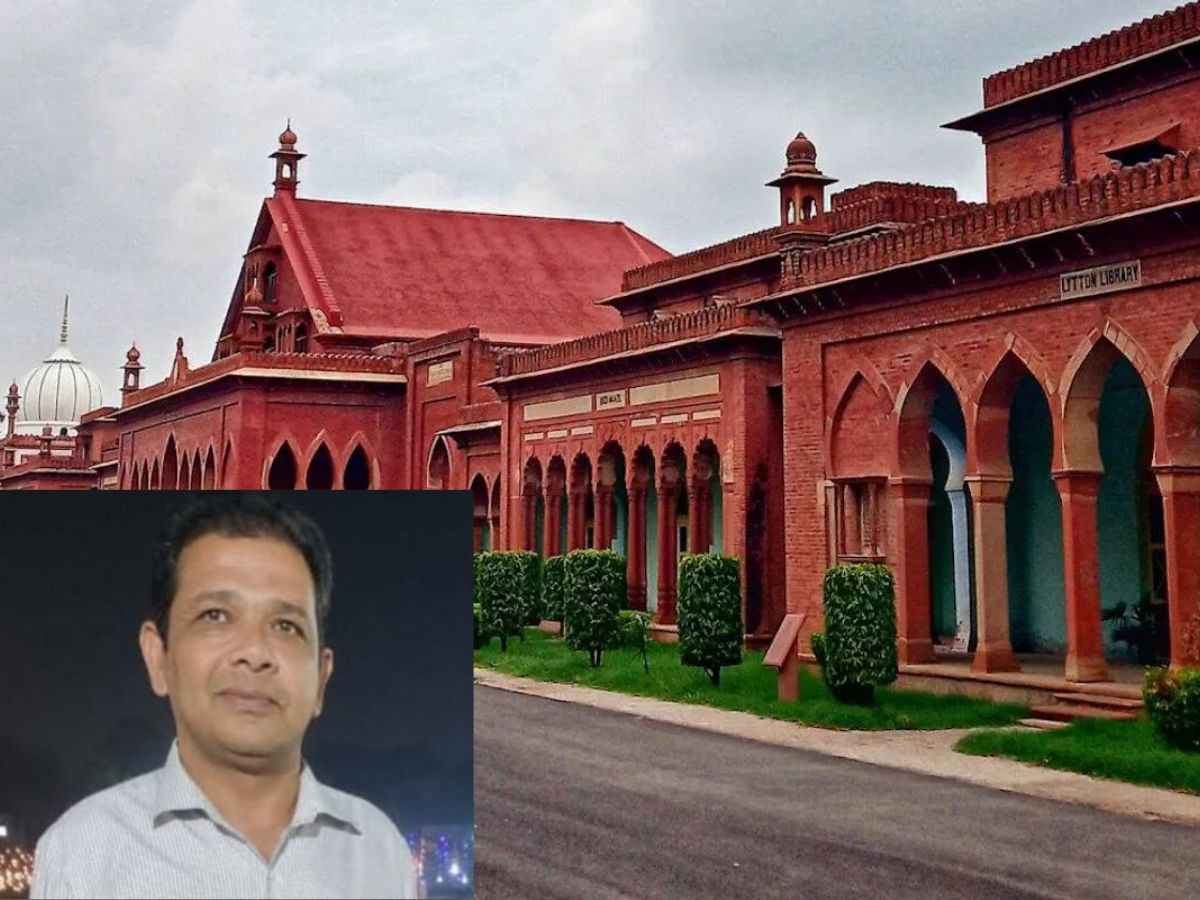
Nepal Home Minister Ramesh Lal Lekhak resigned on Tuesday, taking responsibility for the fatalities during violent protests in Kathmandu over the government’s much-criticized social media ban.
Lekhak told senior members of his Nepali Congress party about his resignation decision in a meeting at President Sher Bahadur Deuba’s house on Monday night. He went on to present his resignation to Prime Minister KP Sharma Oli during a Cabinet meeting at Baluwatar, saying he could not stay on in office after the killings.
“Today’s protest saw an enormous loss of human life. I must accept moral responsibility for the same,” Lekhak said.
Protests Against Social Media Ban Turn Deadly
The violence broke out after the government shut down prominent social websites, including YouTube, Facebook, and X, in compliance with new regulations mandating registration of online services. The authorities defended the move as one of responsibility, but opposition labelled it an assault on freedom of expression and a means to gag dissent.
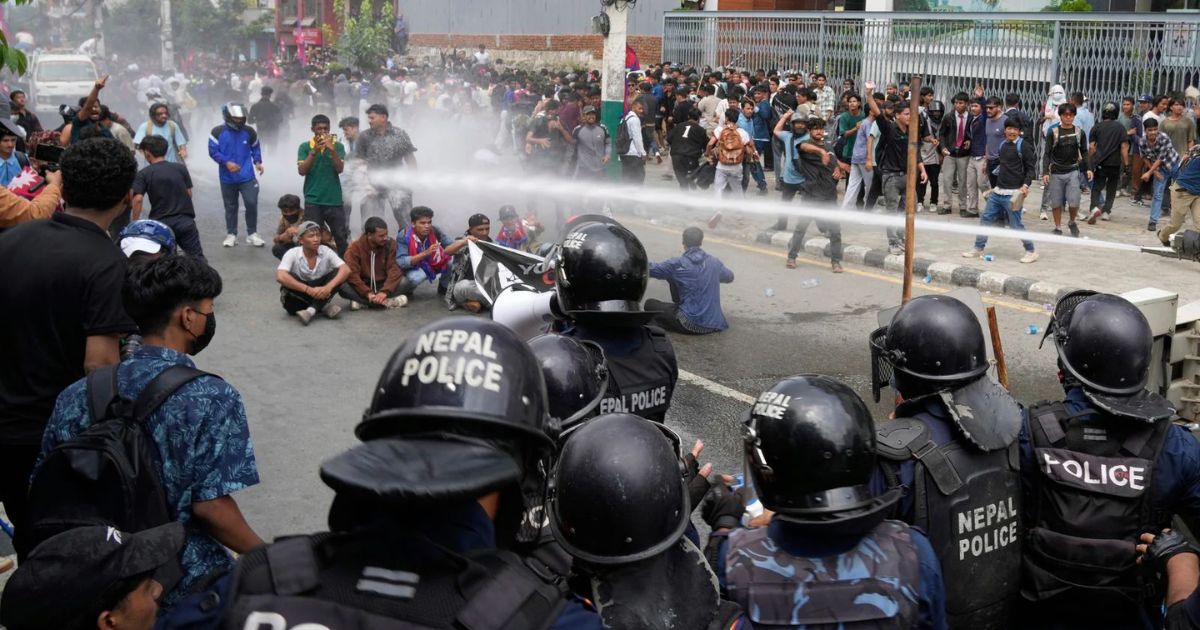
Tens of thousands of protesters marched through streets in Kathmandu and other urban centers calling for an end to the clampdown and more transparency from the government. The demonstrations turned violent almost at once as police used tear gas, rubber bullets, and water cannons to break up crowds. Protesters fought back by burning vehicles, ripping apart barricades, and breaching limited-access areas around parliament.
Hospitals were besieged with the wounded. Ranjana Nepal, a Civil Hospital officer, confirmed that emergency wards were swamped with patients, many with grievous injuries from police crackdowns.
ALSO READ: Which Apps Are Still Working in Nepal After Ban? Know the Alternative Apps
Increasing Death Toll and Political Consequences
The confirmed casualty toll is 19, and over 250 have been injured. Severe curfews have been instituted along sensitive government facilities such as the parliament complex, the prime minister’s Singha Durbar office, and the president’s residence.
In the meantime, the government is coming under increasing criticism at home and abroad. The argument from opponents is that blocking 26 apps from September 4 is a bid to stifle dissent during the time when parliament is discussing a bill regarding regulating digital platforms.
The government law, compelling social media platforms to function according to state regulation, has been criticized by activists as a “digital gag order.” People are concerned that the action will censure freedom of expression in an already weak democracy.
With Lekhak’s resignation and public outrage growing, Nepal’s leadership is now facing its greatest political challenge in years. Whether or not Prime Minister Oli will rescind the blanket ban or double down remains to be seen.