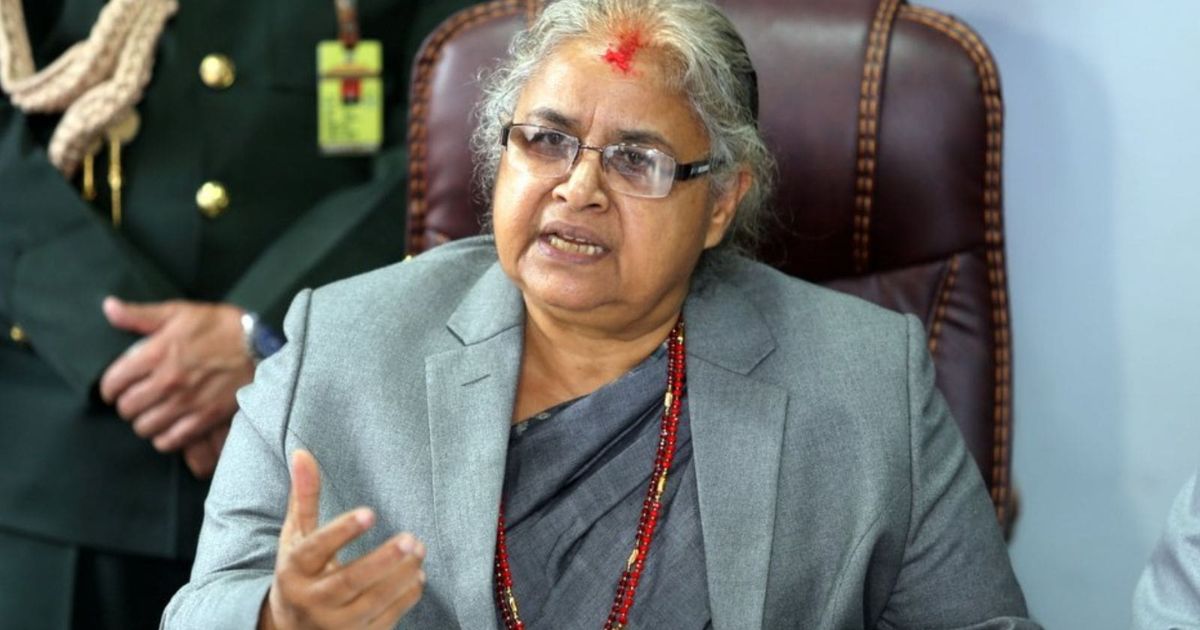
Nepal in a dramatic twist, former Chief Justice Sushila Karki will be appointed Nepal’s first woman prime minister after President Ram Chandra Paudel was pushed by youth-led anti-corruption demonstrations to make concessions to protesters. She will be sworn in at 8:45 p.m. (local time) at Shital Niwas, the presidential palace of Nepal, in a historic moment for the country.
Gen Z Protesters Force Breakthrough
The decision is made following a week of street clashes involving youth activists protesting against sweeping political reforms and the end of systemic corruption. These “Gen Z” protesters, supported by factions of the Nepali Army, had stood firm in refusing to accept anything less than new leadership until their calls were answered.
Wild negotiations between Paudel and the protesters saw disagreements on two central points, who would head the interim government, and whether parliament would be dissolved. Protesters, aided by Karki, were resistant that parliament was to be dissolved, while Paudel was opposed to the dissolution at first. Under intense pressure, Paudel eventually agreed to dissolve the legislature.
Reports indicate that Karki will start ruling with two ministers, though their identities are not revealed.
Constitutional Roadblocks Ahead
Karki’s appointment, however, faces serious constitutional questions. Nepal’s Constitution clearly bars former chief justices and Supreme Court judges from holding government office. Article 132 states, “No person who has once held the office of Chief Justice or a Judge of the Supreme Court shall be eligible for appointment to any government office.”
In order to overcome this obstacle, some constitutional specialists believe that Paudel would invoke Article 61 (4), which insists on the president to “obey and uphold the Constitution.” They propose that it would be justified as a constitutional protection in an unprecedented emergency to appoint Karki as interim prime minister.
One lawyer explained to Kantipur that the president might claim such an unprecedented action is needed to ensure stability and hold elections, as no parliamentarian now has the legitimacy to govern.
ALSO READ: Nepal’s First Plane Hijacking: How Sushila Karki Was Linked to the Shocking 1973 Incident
A Historic But Uncertain Future
Despite her trailblazing role as Nepal’s first female prime minister, Karki’s appointment may ignite fresh debates about constitutional limits and democratic legitimacy. While her elevation represents a victory for protesters demanding change, questions linger about how long this interim arrangement will last and whether it can pave the way for meaningful reform.
For now, the streets of Kathmandu may celebrate Karki’s rise, but Nepal’s political storm is far from over.