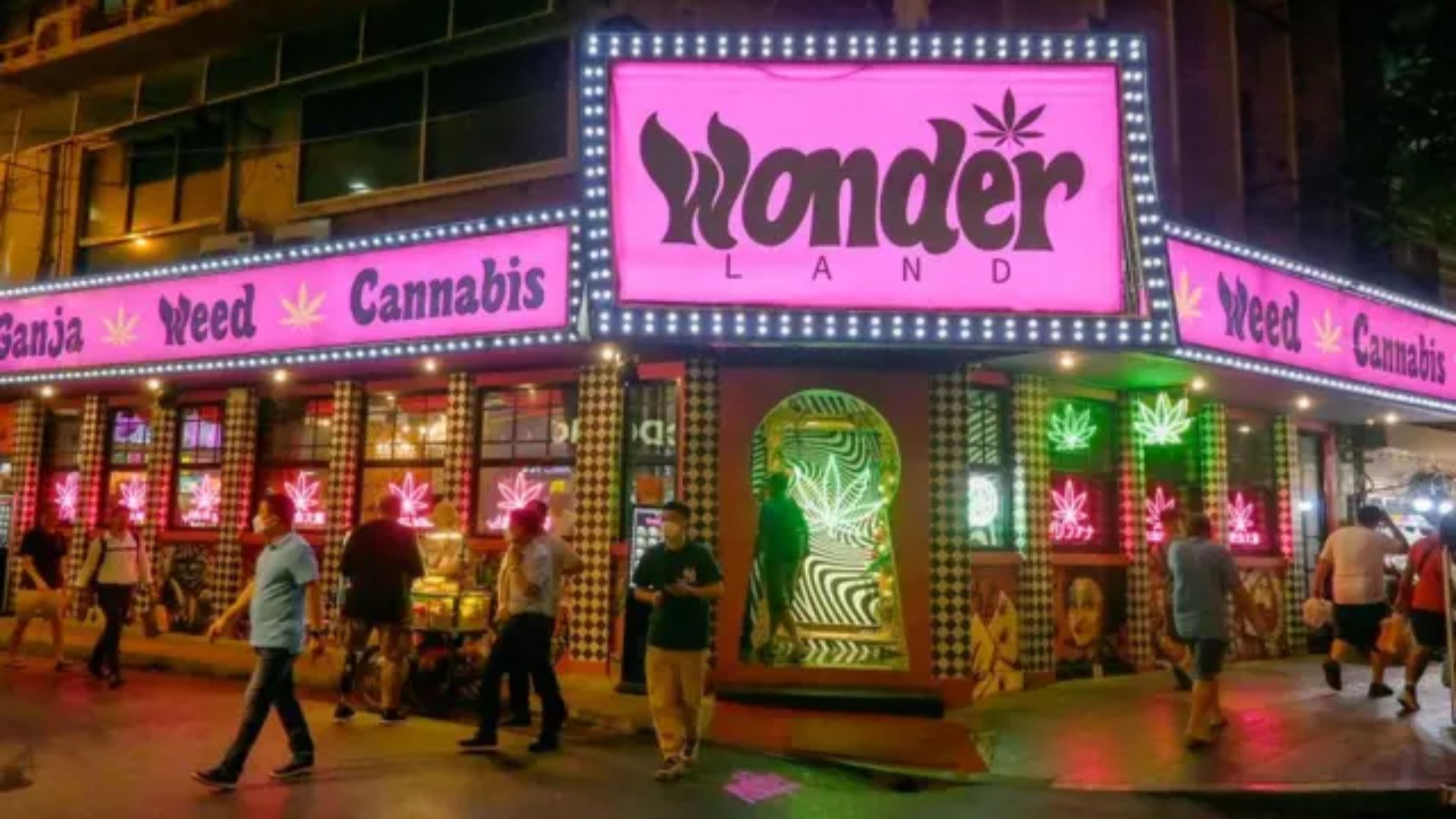
Only three years after it first became an Asian nation to decriminalize cannabis, Thailand’s vibrant cannabis market is looking into a precarious future. What started as a landmark change became a dazzling marijuana boom, neon-lit shops boomed in Bangkok, ‘green’ cafes proliferated on the islands, and entrepreneurs from all backgrounds rushed to stake a claim in an estimated $1 billion market.
Now, that cannabis free-for-all may be coming to an abrupt halt.
New Rules Spark Panic
In June, Thai officials enacted broad regulations effectively re-criminalizing the use of recreational cannabis, sending business owners and consumers into a panic. Purchasing cannabis under the new rules now necessitates a prescription from a qualified medical doctor. But several pragmatic questions still linger: How will these prescriptions be distributed? How should existing businesses adapt? And what happens to already-established shops?
This sudden flip has left people questioning whether Thailand’s short cannabis liberalisation experience is over.
From Busy Streets to Fading Hopes
After decriminalisation in 2022, thousands of dispensaries sprouted all over Thailand. On Bangkok’s trendy Khao San Road, brightly coloured stores boldly held up English menus, selling cannabis strains that assured everything from tranquility to intoxication.
But with the government’s abrupt policy u-turn, numerous entrepreneurs are now preparing for shutdown. “Most of the shops that are registered will close,” said Bangkok entrepreneur Natthakan Punyathanaworakit to The Guardian. Having just closed one of her three stores because of escalating compliance costs, she is dreading what is to follow.
The new rules force the dispensaries to become licensed clinics staffed by licensed physicians, a costly, bureaucratic step many small outfits simply can’t make. As cannabis business owner Chokwan Chopaka put it, “It’s the little guys, the mom and pop stores, the family business where the wife is assisting with trimming while the husband is cultivating, they’re the ones that will be hurt.
Chokwan, one time firebrand of Thailand’s liberal course, fears the reversal will only benefit large-scale businesses and criminalize the smaller ones again. “Even previous regulations weren’t enforced properly. Without enforcement, there’s simply no way I can compete,” she went on.
Politics and Public Backlash
This policy change is accompanied by political developments. The Bhumjaithai Party, which led the initial drive for decriminalisation, is no longer in the ruling coalition. Prime Minister Paetongtarn Shinawatra has, however, appointed Health Minister Somsak Thepsutin to implement the reform.
Somsak contended the new limits were necessary to ‘enhance public safety and safeguard youths and children’. But critics contend the issue has become increasingly politicised, morphing from an attempt to lower incarceration and stimulate the economy into a politically charged issue that caters to right-wing concerns regarding youth exposure, cannabis tourism, and trafficking.
Thailand’s liberalisation of cannabis in 2022 was already condemned as hasty with minimal protections. While subsequent regulations prohibited sales to pregnant women and minors, and within walking distance of schools, enforcement was patchy. Now, the pendulum has shifted harshly.
Tourists Disappear, Farmers Dread the Worst
On Khao San Road, numbers of visitors have already dropped. “It’s going to impact [profits] because the tourists, they’re afraid,” explained Thammarat Siritanaratanakul of iStoned dispensary.
Oler Silasilarat from Hygge Flower is concerned about the small producers. “They do know a lot, but they can’t produce any more because they can’t compete with the large companies,” he said. “Everyone got a chance to make money after legalisation…And then they alter it.”
Under the new regulations, small growers are forced to get additional certifications, and dispensaries have to become fully licensed medical centers or shut down. For most, the cost is too high.
From Progressive Symbol to Cautionary Tale?
Thailand’s 2022 action had represented a drastic departure for a country famous for its draconian anti-drug legislation. Thousands who had been jailed for cannabis-related crimes were released, and the authorities presented it as both a human rights reform and an economic windfall.
But the sudden explosion of stores and stories of smuggling and arrests of tourists apprehended with Thai cannabis in their bags after departing Thailand, aroused concern. Two British women were arrested earlier this year in Georgia and Sri Lanka after departing Bangkok with large bags of marijuana.
Chokwan emphasized that further criminalisation is not the solution. “What we needed was regulation properly, not criminalisation once more,” she said, warning that closing dispensaries would likely stimulate the black market again.
While in Bangkok, Natthakan is clinging to her two remaining shops for the time being. “If one of the shops can’t cope with the new regulations,” she said, “I will have to shut.”
Thailand’s ‘green rush’ is not yet over, but its one-time-heralded cannabis paradise now looms shrouded in doubt and threatens to become a cautionary tale of how promptly liberalisation unchecked can turn on itself.