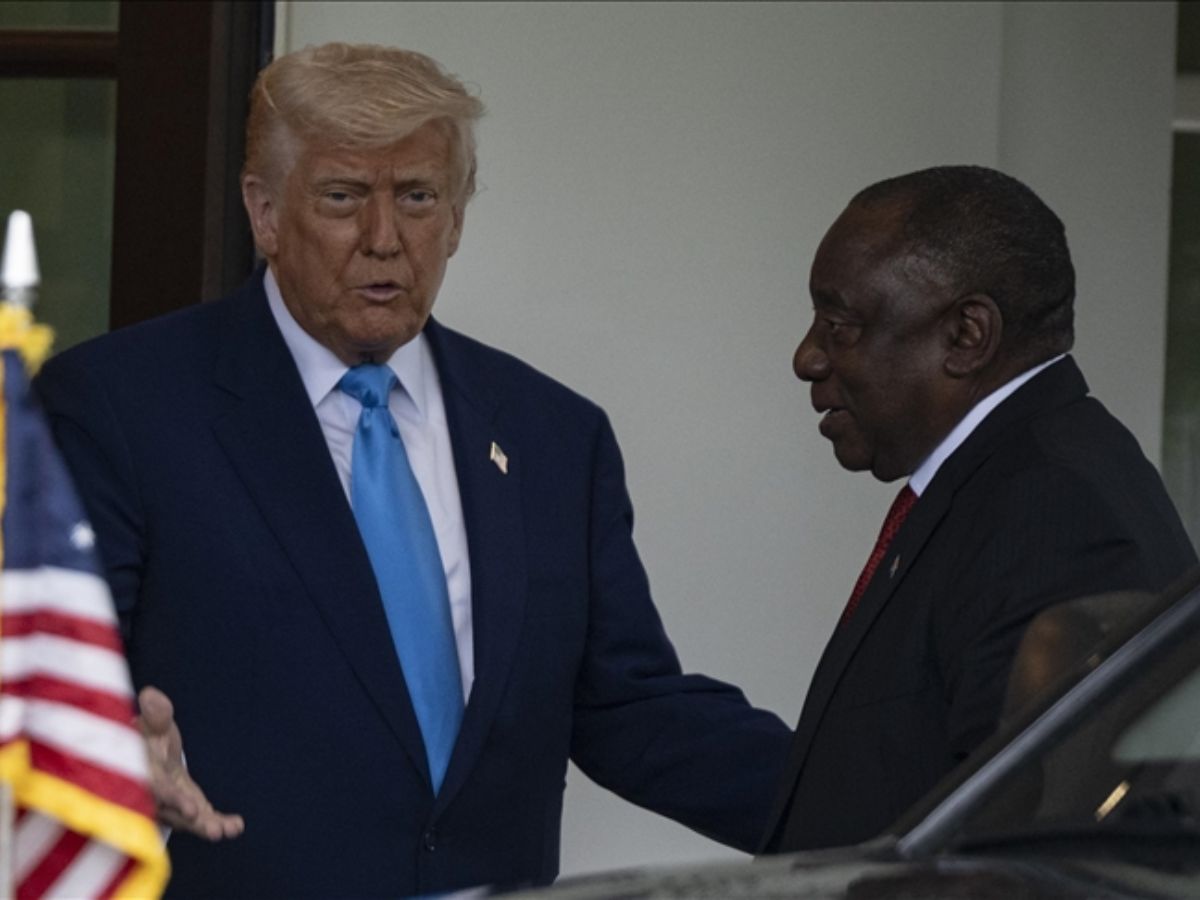
In a significant diplomatic move, President Donald Trump has declared a full United States boycott of the upcoming Group of 20 (G-20) summit in South Africa. The decision, which extends beyond his personal attendance to include all official US representatives, is based on what he describes as the ongoing mistreatment and persecution of white farmers in the country. This action escalates a long-standing dispute between the Trump administration and the South African government over human rights and land reform policies.
Why is the US Boycotting the G-20 Summit?
The sole reason provided by the Trump administration for the boycott is the situation facing white Afrikaner farmers in South Africa. President Trump explicitly stated that no US government official would attend the summit as long as what he termed “human rights abuses” continue. He amplified these claims on his Truth Social platform, alleging that Afrikaners—descendants of Dutch, French, and German settlers—are being “killed and slaughtered” and their farms “illegally confiscated.” Furthermore, Trump suggested that South Africa should be entirely removed from the G-20, a group comprising the world’s largest economies.
Also Read: ‘I Didn’t Even Know I Was Married’: U.S. Singer’s Marriage & Split from ‘Sultan’ She Never Knew Existed
Who Was Supposed to Go and What Does This Signal?
This is not merely a case of the president skipping the event, which he had previously announced. A source familiar with the plans confirmed that Vice President JD Vance, who was expected to lead the US delegation, will also not attend. The withdrawal of the highest-ranking official underscores the severity of the diplomatic protest. This action is consistent with the Trump administration’s history of abstaining from international forums because of policy differences; it has already skipped a G-20 foreign ministers’ conference because of its emphasis on diversity and climate change.
How Has South Africa Responded to the Allegations?
The South African government has firmly and consistently rejected the allegations made by President Trump. Officials have expressed surprise at the accusations, pointing out that white South Africans generally continue to enjoy a much higher standard of living than the Black majority, more than three decades after the end of apartheid. President Cyril Ramaphosa has directly told Trump that the information about widespread discrimination and persecution of Afrikaners is “completely false,” setting the stage for a major diplomatic clash at the global level.
Also Read: The Cornell-White House Deal: Cornell Pays $30 Million, Gets $250 Million Back in White House Agreement
What is the US Proposing as an Alternative?
Trump’s comments hinted at ongoing US participation in the G-20, but with greater control over its approach. He showed eagerness to host the 2026 summit in Miami, Florida. This suggests the boycott is aimed at South Africa’s policies, not the group itself. The US framed it as a defense of human rights, though South Africa has dismissed that claim.