A wave of viral social media posts has stirred fear and curiosity worldwide by linking the year 2026 to dramatic predictions attributed to the late mystic Baba Vanga. Users are sharing claims about wars, natural disasters, aliens, economic collapse, and shifts in global power, all said to unfold in 2026.
Some posts have millions of views, but news consumers are asking: How much of this is grounded in Vanga’s actual prophecies, and how much is modern reinterpretation?
Who Was Baba Vanga and Why Her Predictions Resurface
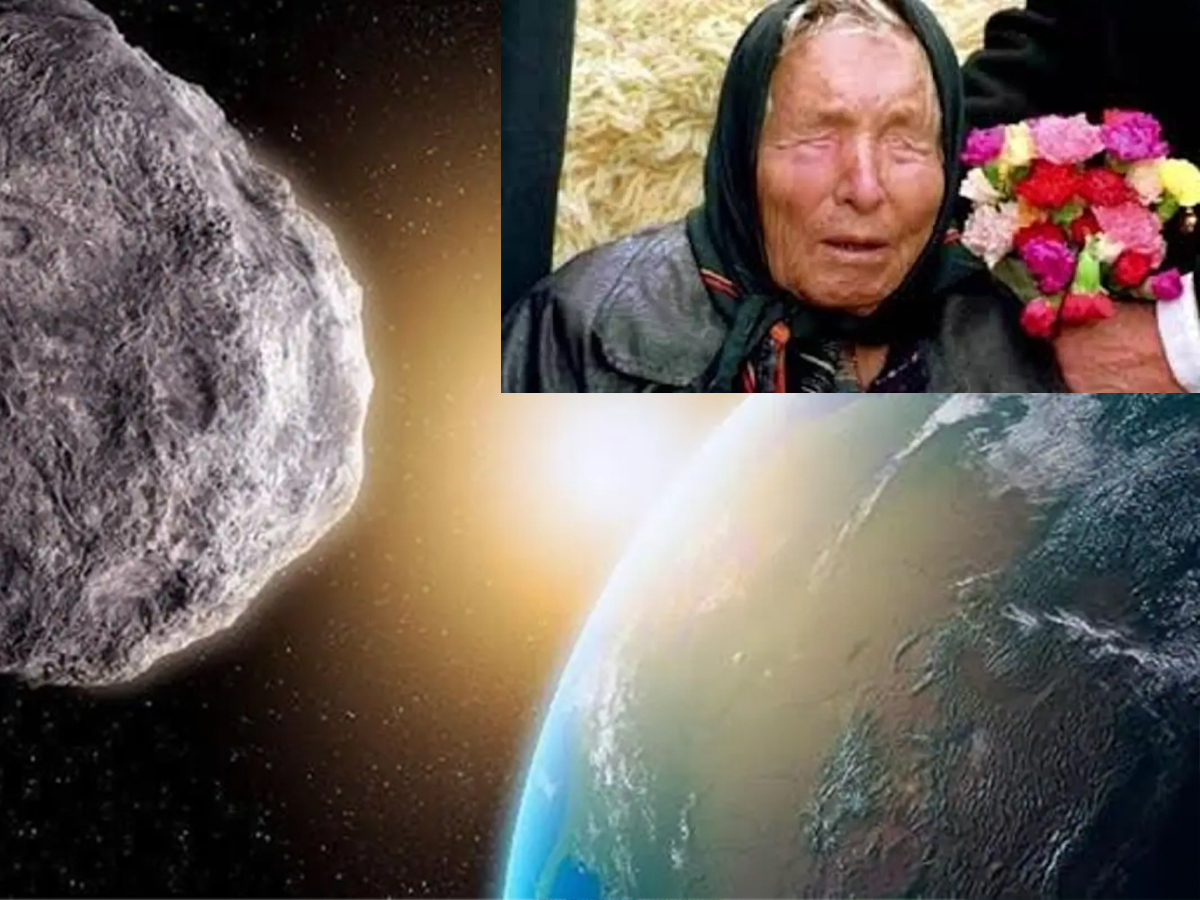
Baba Vanga was a Bulgarian mystic who became well-known in parts of Europe for her alleged prophetic statements. She died in 1996, but many of her supposed forecasts, compiled from followers’ recollections, books, and online lists, continue circulating today.
Most experts agree that many modern claims attributed to her are vague or unverified. Nothing published in her lifetime can reliably confirm dozens of the predictions now shared across social platforms.
Baba Vanga’s Claims for 2026?
1. Global Power Shifts and Conflict
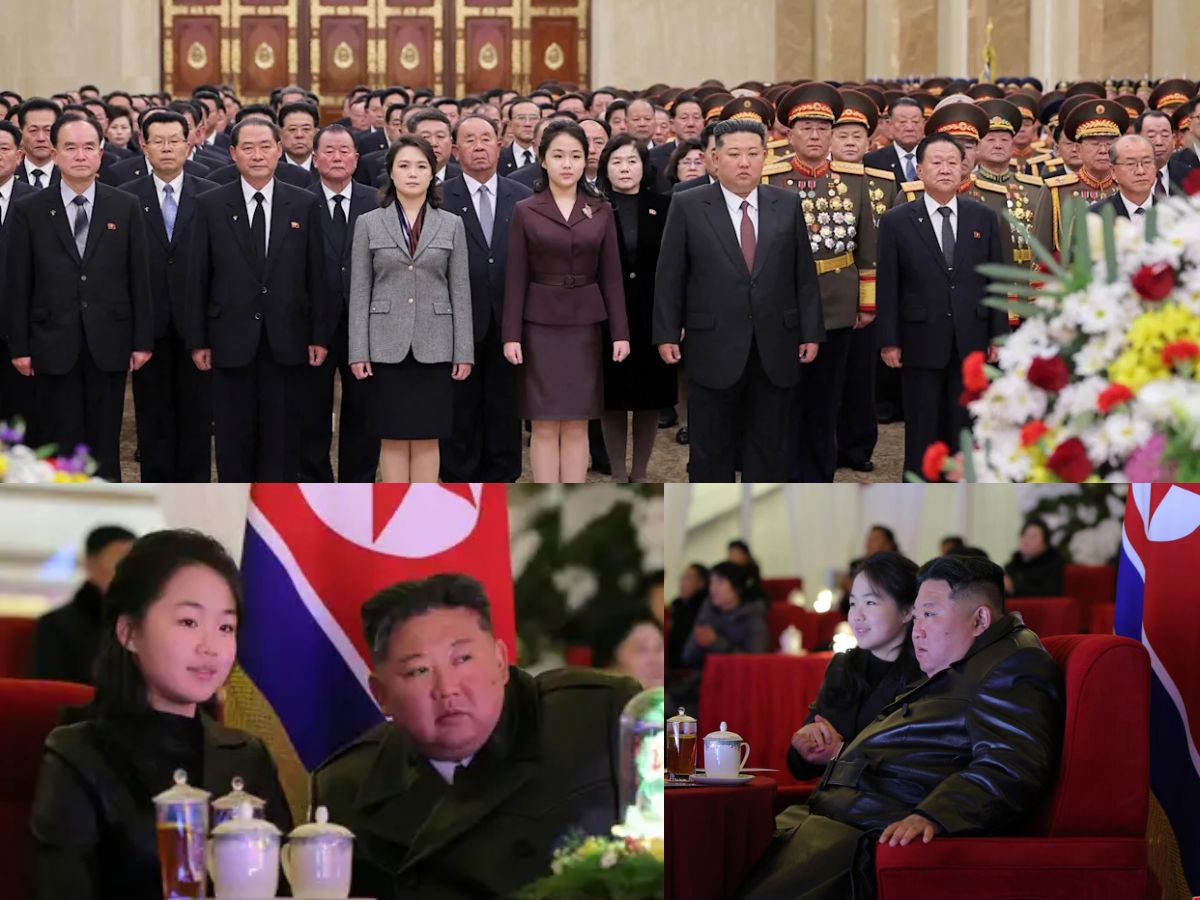
Some social media posts claim that 2026 will see a major global struggle and a shift in world power toward Asia, with China emerging as a dominant military and economic force. These stories often amplify geopolitical anxieties but lack direct evidence from documented sources.
2. Natural Disasters and Earthquakes
Another recurring theme in viral posts is the prediction of “severe natural disasters” in 2026, including earthquakes and flooding due to climate change. While climate scientists warn about increasing extreme weather, there is no scientific basis tied to Vanga’s statements for specific dates or events.
3. Extraterrestrial Contact Narrative
Some online posts reference a supposed encounter with an extraterrestrial object entering Earth’s atmosphere in 2026. This idea appears tied more to speculation and internet culture than to verified predictions.
4. Technological and AI Dominance
A few lists online claim that Baba Vanga foresaw a major impact of artificial intelligence in 2026, suggesting AI may influence or “control” human life. While AI’s role is indeed growing, this narrative blends technology trends with speculative forecasting.
5. Economic Turmoil
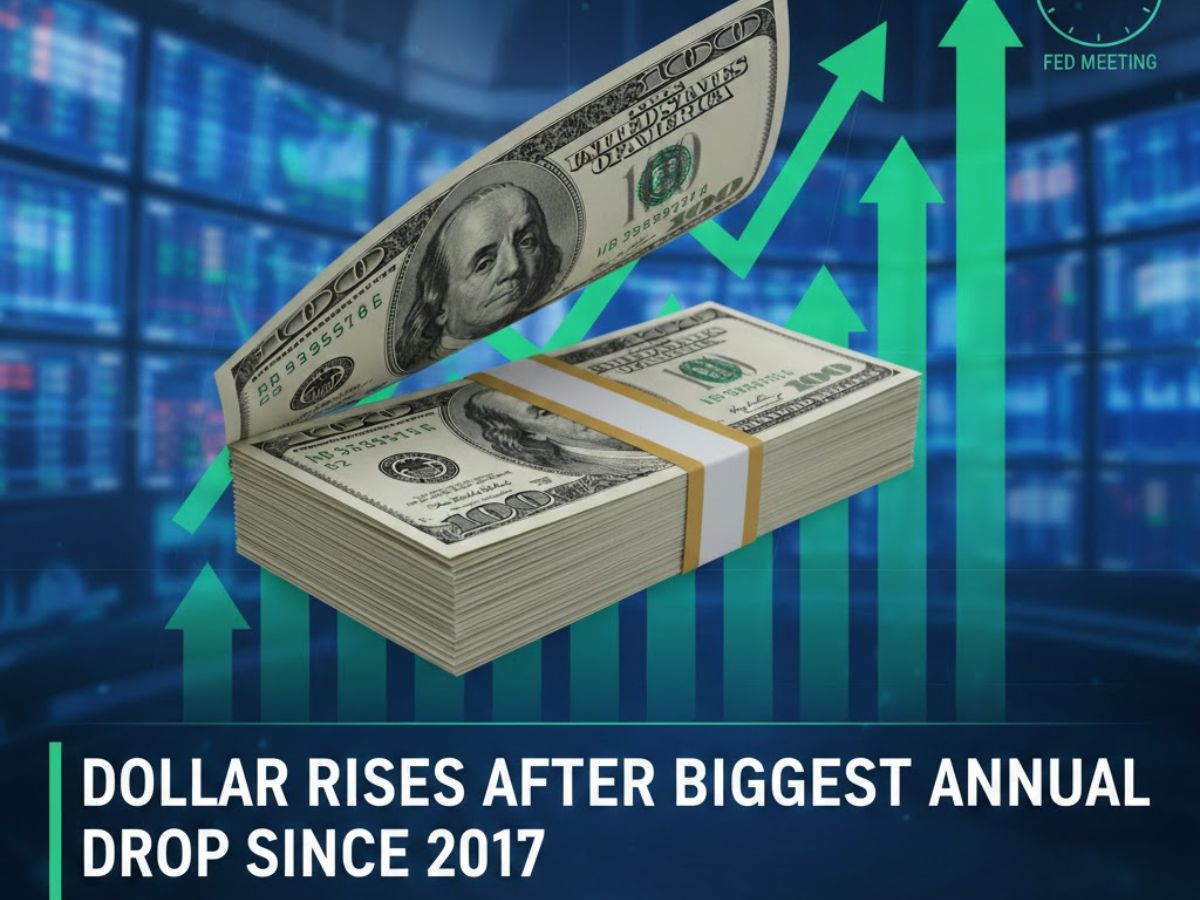
Posts linking Baba Vanga to a predicted global economic crisis — including market crashes and high inflation — in 2026 rely on broad interpretation. Economists study real indicators, whereas such predictions typically use dramatic language without evidence.
Experts Urge Caution Over Viral Forecasts
Psychologists and media analysts note that dramatic predictions thrive on social media because they trigger strong emotional responses. Fear and uncertainty make sensational claims spread fast, especially when tied to anniversaries or milestone years like 2026.
Authorities often warn users to check facts before sharing dramatic forecasts. There is no credible, documented source directly linking Baba Vanga to detailed 2026 events such as wars, alien contact, or economic collapse with specific timelines.
Fact vs Fiction: What We Know about Baba Vanga’s Prediction
- Baba Vanga did make general future-oriented statements, but many are vague and open to interpretation.
- There is no confirmed archive of her specific 2026 predictions tied to global cataclysms or invasions.
- Scientific and economic forecasts are separate from mystical claims and should be treated independently.
Why These Predictions Resurface Now
Years with symbolic or numerical significance (like 2025, 2030, 2040) tend to attract speculative forecasts. Social media users, meme culture, and recycled lists often reinterpret old sayings for new audiences. This often results in misattribution or exaggeration of past statements.