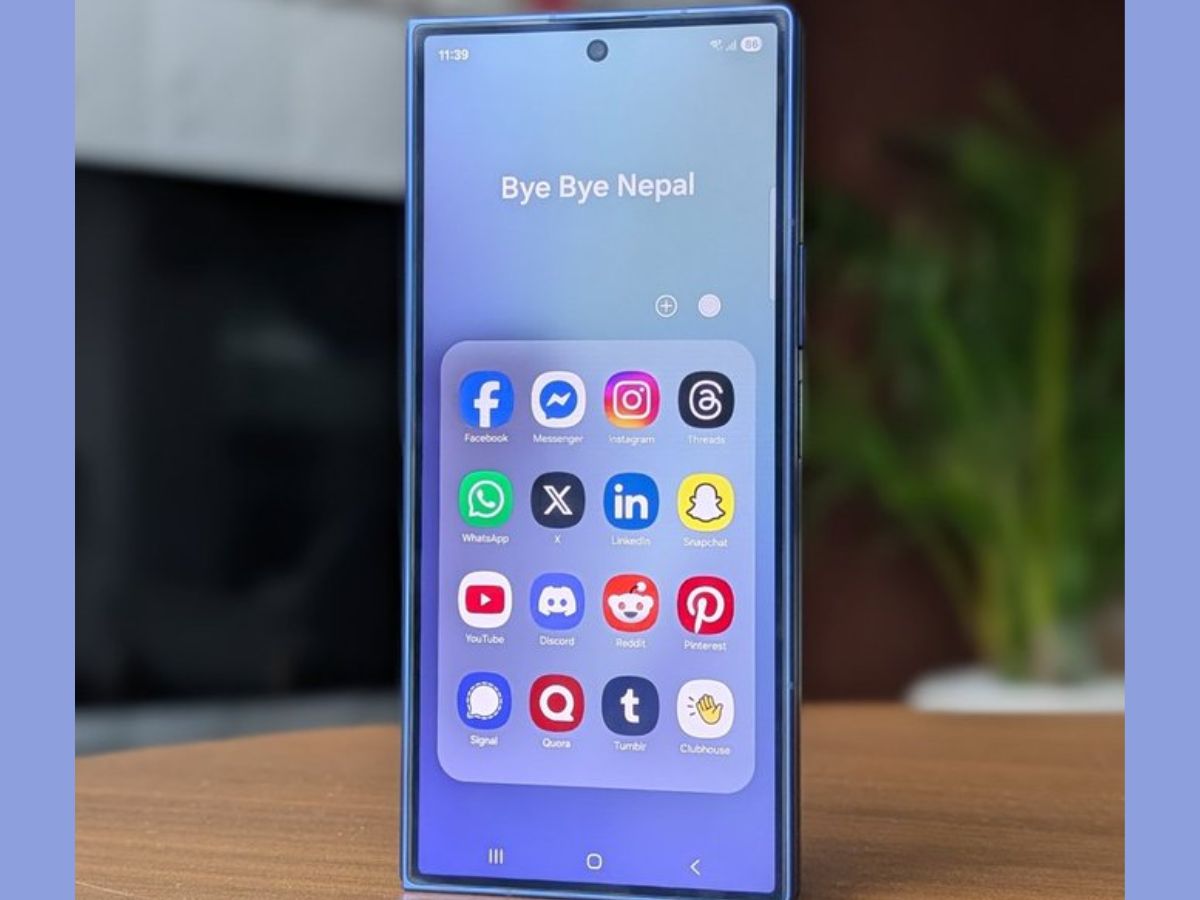
The Government of Nepal has blocked access to 26 popular social media apps, including Facebook, Instagram, WhatsApp, YouTube, X (formerly Twitter), LinkedIn, Reddit, and Snapchat. Authorities announced that these platforms failed to register with the Ministry of Communication and Information Technology within the required deadline.
Full List of Apps Banned in Nepal in September 2025
Here are the major platforms now blocked:
-
Facebook
-
Messenger
-
Instagram
-
YouTube
-
WhatsApp
-
X (formerly Twitter)
-
LinkedIn
-
Reddit
-
Snapchat
-
Discord
-
Pinterest
-
Signal
-
Threads
-
WeChat
-
Quora
-
Tumblr
-
Clubhouse
-
Mastodon
-
Rumble
-
MeWe
-
VK (VKontakte)
-
Line
-
IMO
-
Zalo
-
Hamro Patro
Apps Still Available
These platforms complied with the registration requirements and remain accessible:
-
TikTok
-
Viber
-
WeTalk
-
Nimbuzz
-
Poppo Live
Telegram and Global Link are in the process of registering and may soon be reinstated.
The Nepal government is going to ban Whatsapp, Instagram , Facebook, Snapchat, YouTube , Twitter , threads and all the apps mentioned below .
Kasam se Bhai meko North Korea wali feeling aa rahi hai. 😭 pic.twitter.com/fKnBhYEJ6C
— imjobless 🇮🇳 (@sam_jobless) September 4, 2025
Why Did Nepal Implement the Ban?
Earlier this year, Nepal’s Supreme Court directed that all online platforms domestic or foreign must register with the government. This move was aimed at ensuring accountability and curbing harmful online content. The government set a deadline from August 28, giving platforms only seven days to comply. Despite repeated reminders, leading platforms such as Facebook, Instagram, YouTube, and WhatsApp did not complete the process, which prompted the government to block them. The Nepal Telecommunications Authority (NTA) clarified that the restrictions are temporary and the apps will be reinstated as soon as they fulfill the legal requirements.
Which Apps Are Still Running?
While Facebook, Instagram, X, LinkedIn, YouTube, WhatsApp, Reddit, Discord, and other global platforms went offline in Nepal, some services remain active. TikTok, Viber, WeTalk, Nimbuzz, and Poppo Live complied with the registration rules and continue to operate normally. Meanwhile, Telegram and Global Link are still in the process of completing formalities and may soon return.
Public Concerns and Impact
The sudden ban has created widespread confusion and frustration among citizens, businesses, and students. For many, daily communication, online learning, and digital marketing rely heavily on platforms like WhatsApp, YouTube, and Facebook. Critics argue that blocking such widely used services could disrupt livelihoods and also raise questions about freedom of expression. Digital rights groups warn that the move may drive people to use VPN services to bypass restrictions, which could raise fresh concerns around online privacy and security.
Context and Future
This is not the first time Nepal has imposed restrictions on social media. In November 2023, the country banned TikTok citing threats to social harmony, but the platform was reinstated in 2024 after agreeing to comply with new rules.
The government has said that the ban will remain only until platforms like Facebook, Instagram, YouTube, WhatsApp, and X complete registration. A new social media regulation bill is also expected to provide a permanent legal framework for monitoring such platforms.
Other Nations: Temporary Bans During Protests
Several countries have previously restricted or banned major social media platforms like Facebook, WhatsApp, Instagram, Twitter (X), and TikTok, citing reasons ranging from security to political control. China and North Korea have long blocked most foreign apps under strict censorship, while Russia restricted Facebook, Instagram, and WhatsApp services during its conflict with Ukraine, calling them “extremist.” Iran, Myanmar, and Turkey have imposed bans during protests or political unrest to curb dissent. In India, TikTok and other Chinese apps were banned in 2020 on national security grounds, while Australia barred TikTok on government devices. Gulf nations including UAE, Qatar, and Saudi Arabia restrict WhatsApp calls to protect telecom revenues. Countries like Uganda, Cuba, and Venezuela have also temporarily blocked apps during protests. Nepal’s decision to block 26 social media apps follows a similar global trend of governments asserting stricter oversight of online platforms.
Also Read: Nepal Blocks Facebook, WhatsApp, YouTube, Why Only TikTok Remains Accessible?