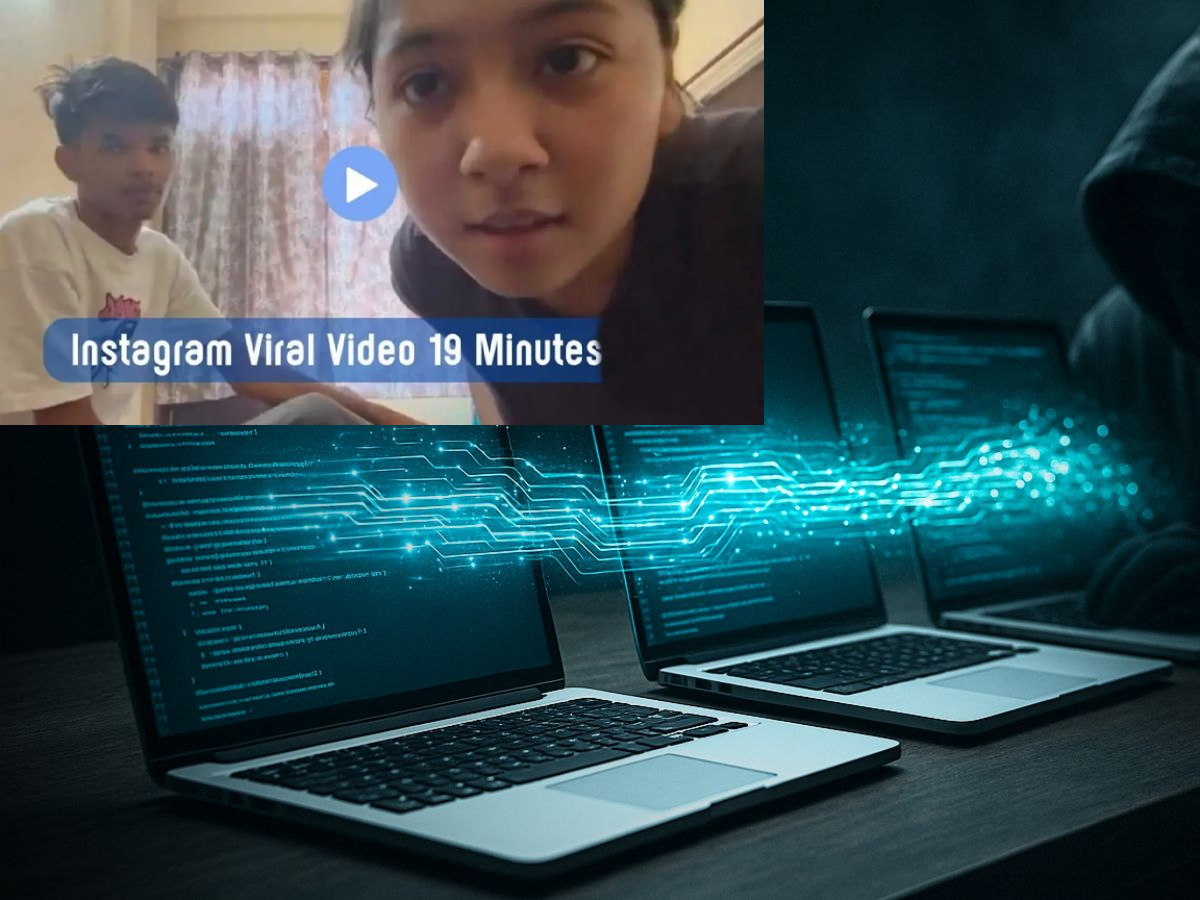
A new wave of cyber fraud is quietly sweeping through messaging apps like WhatsApp, Telegram, and Instagram. The scam begins with a simple link claiming to show a “viral 19-minute video MMS.” The hook plays on curiosity. But once someone clicks, a banking Trojan installs itself, often without the user realizing what has happened.
Security experts warn that this is not a normal video. Instead, the link triggers a chain of rapid redirections, fake pages, and disguised permission requests. What follows is a silent, hidden takeover of the victim’s phone, one that can linger for months.
19-Minute Video: Malware Masks as Normal Permissions
The Trojan poses as harmless at first. It asks for permissions that seem routine, to manage notifications, access storage, or show overlays. Many users, trusting the process, grant these without a second thought.
But these permissions give the malware deep system access. It can read messages, intercept OTPs, monitor bank apps, and overlay forged banking screens when users open their real banking or UPI apps.
“It’s not the video that matters,” one researcher said. “It’s the user’s click. Everything that follows is engineered around that impulse.”
Phishing Meets Psychology: A New Era of Digital Fraud
Unlike old-school malware that spread through suspicious attachments or downloads, this scam of 19-Minute Video MMS exploits a different vulnerability: human curiosity. By using a familiar format, a video link shared by someone you know, fraudsters trigger a natural response: click, and find out.
Multiple pop-ups and fake loading screens lure the user deeper. Each click builds trust that something “normal” is happening. That trust becomes the camouflage for malware to embed itself. By the time screens begin to lag or behave oddly, the Trojan is already inside.
Invisible Theft: Money Gone Before You Realize
Once the Trojan is active, the real danger begins. When the user opens their banking or payment app, the malware overlays a fake login screen. Everything they type, PINs, passwords, card details, goes straight to attackers.
Because the Trojan intercepts SMS and OTP messages, two-factor authentication no longer protects the account. The malware can execute transactions in the background, often without the user’s knowledge. By the time the victim notices anything unusual, the money could already be gone.
“It’s the quietest moment of the scam,” a cybersecurity analyst warned. “The money is gone before the user suspects anything.”
19-Minute Video: Why the New Fraud Trend Is Dangerous for Everyday Users
- No file download needed: The scam works purely through a link and hidden redirects.
- Familiar delivery method: Shared on WhatsApp or social apps, often by contacts or in groups.
- Background takeover: No obvious alerts, no “virus detected” warnings — the malware works silently.
- Bank-level risk: Once inside, it can steal money, bypass OTPs, and hijack financial credentials.
- This trend shows a shift: cybercriminals are relying less on technical exploits and more on manipulating trust and curiosity.
How You Can Protect Yourself Right Now from 19-Minute Video Fraud
- Do not click on unexpected video links, even if they come from known contacts.
- Avoid granting permissions to apps or links that don’t clearly explain why they need them.
- Keep your device updated and disable installations or permission grants from unknown sources.
- Watch your bank account and transaction history carefully; report unusual activity immediately.
Simple caution now can prevent major losses later.